2026 May 28 Campaign Report

International Day of Action for Women’s Health

May 28, 2026

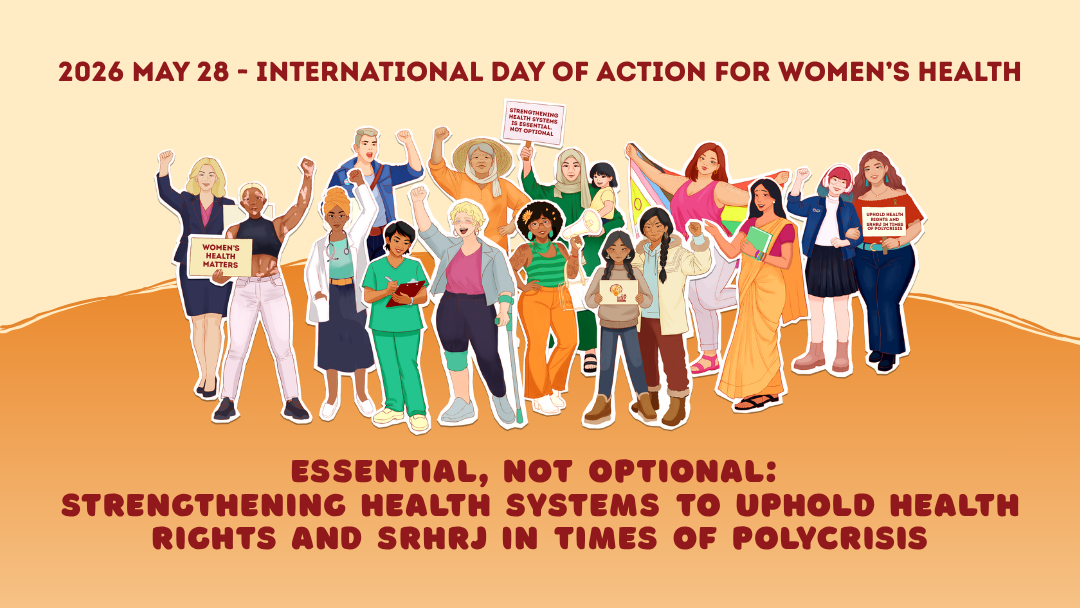
Essential, Not Optional: Strengthening Health Systems to Uphold Health Rights and SRHRJ in Times of Polycrisis

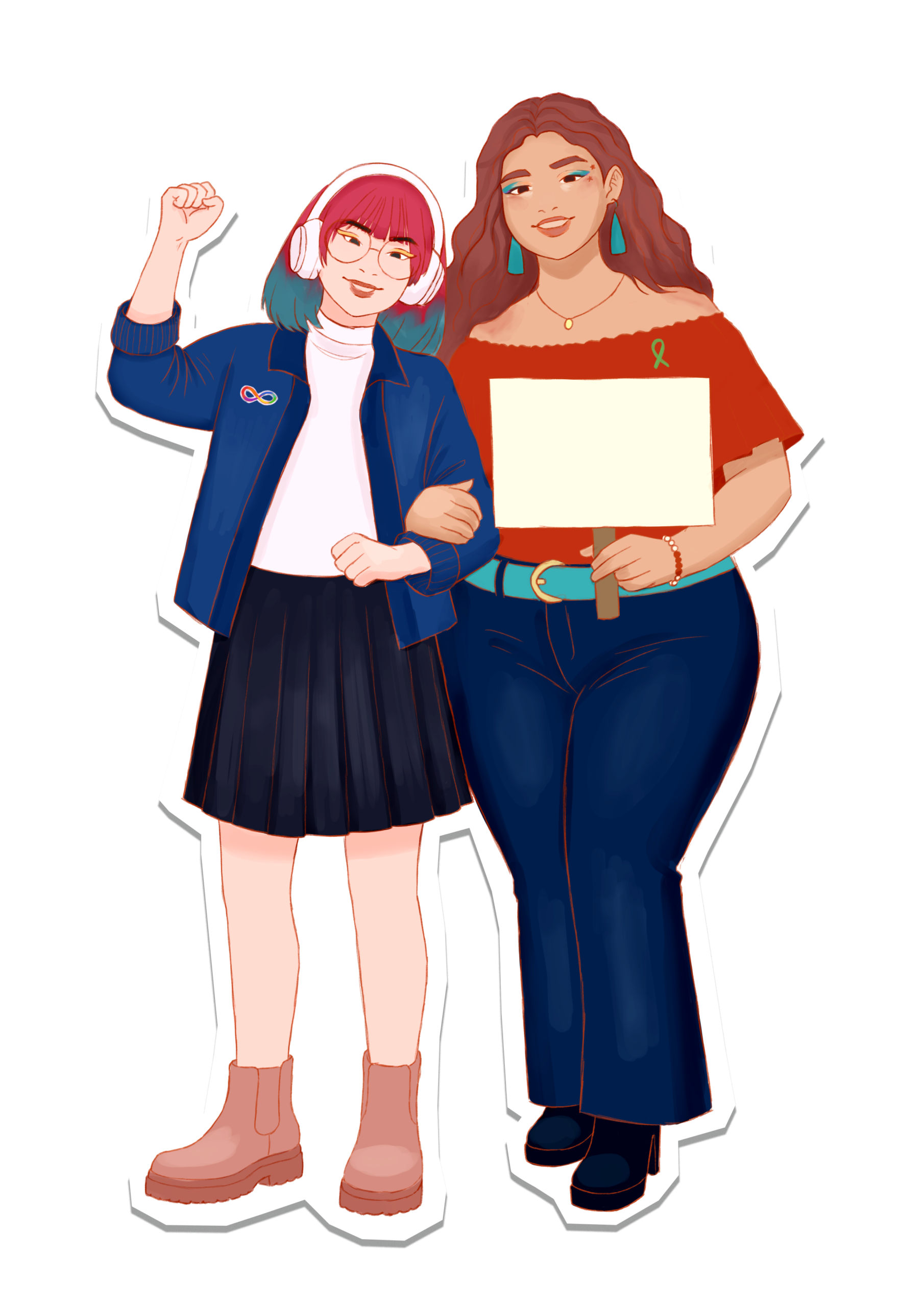
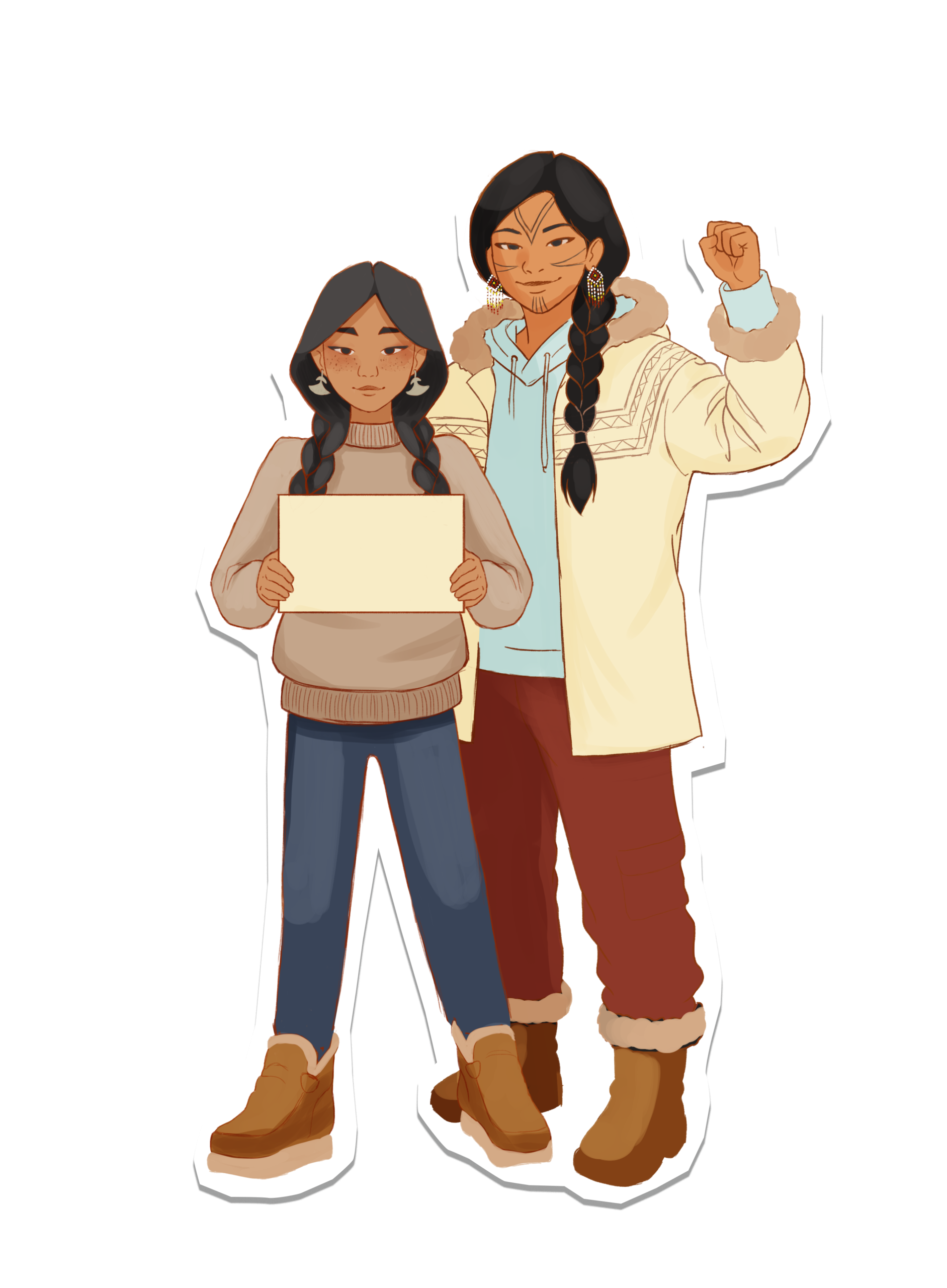
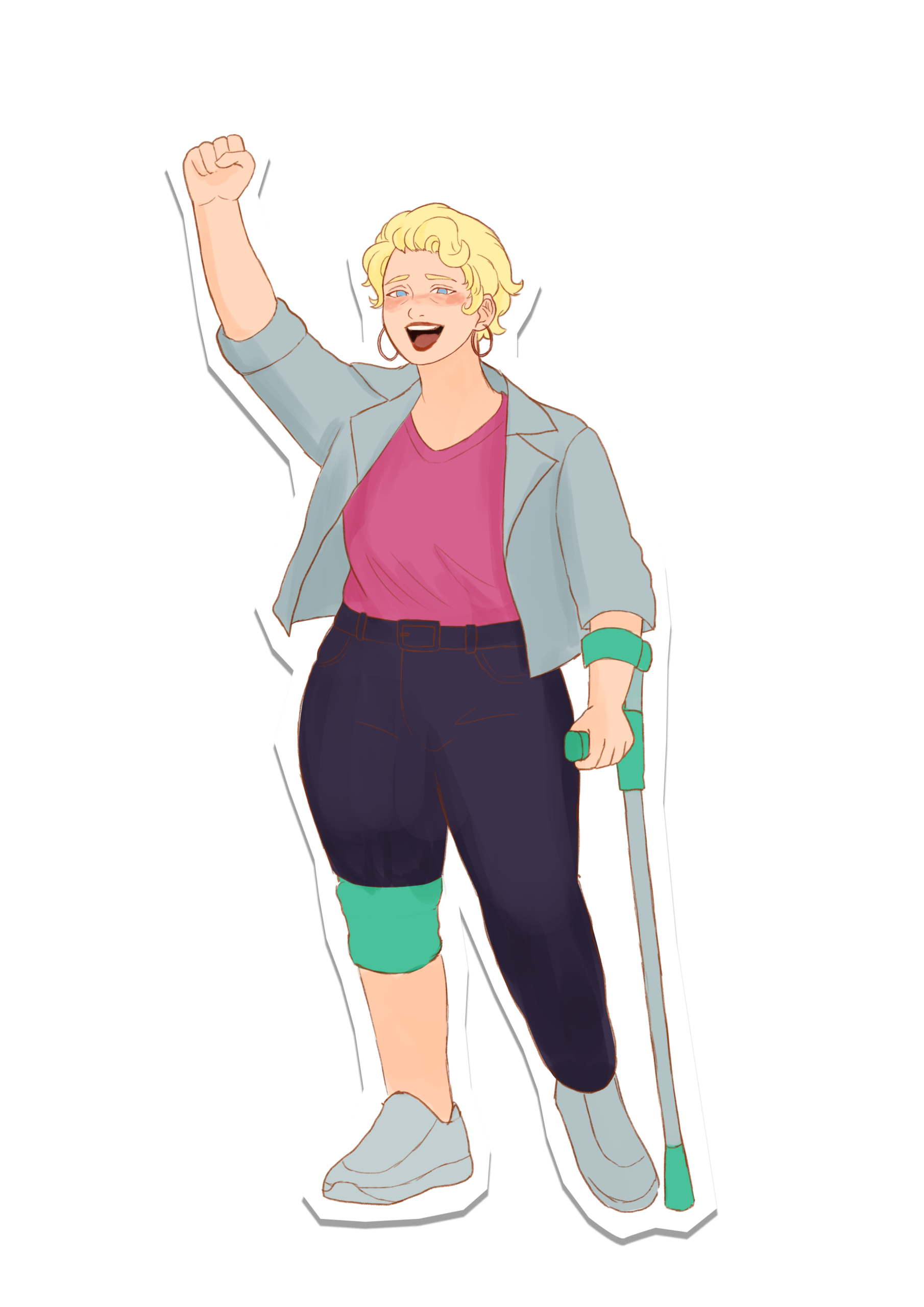
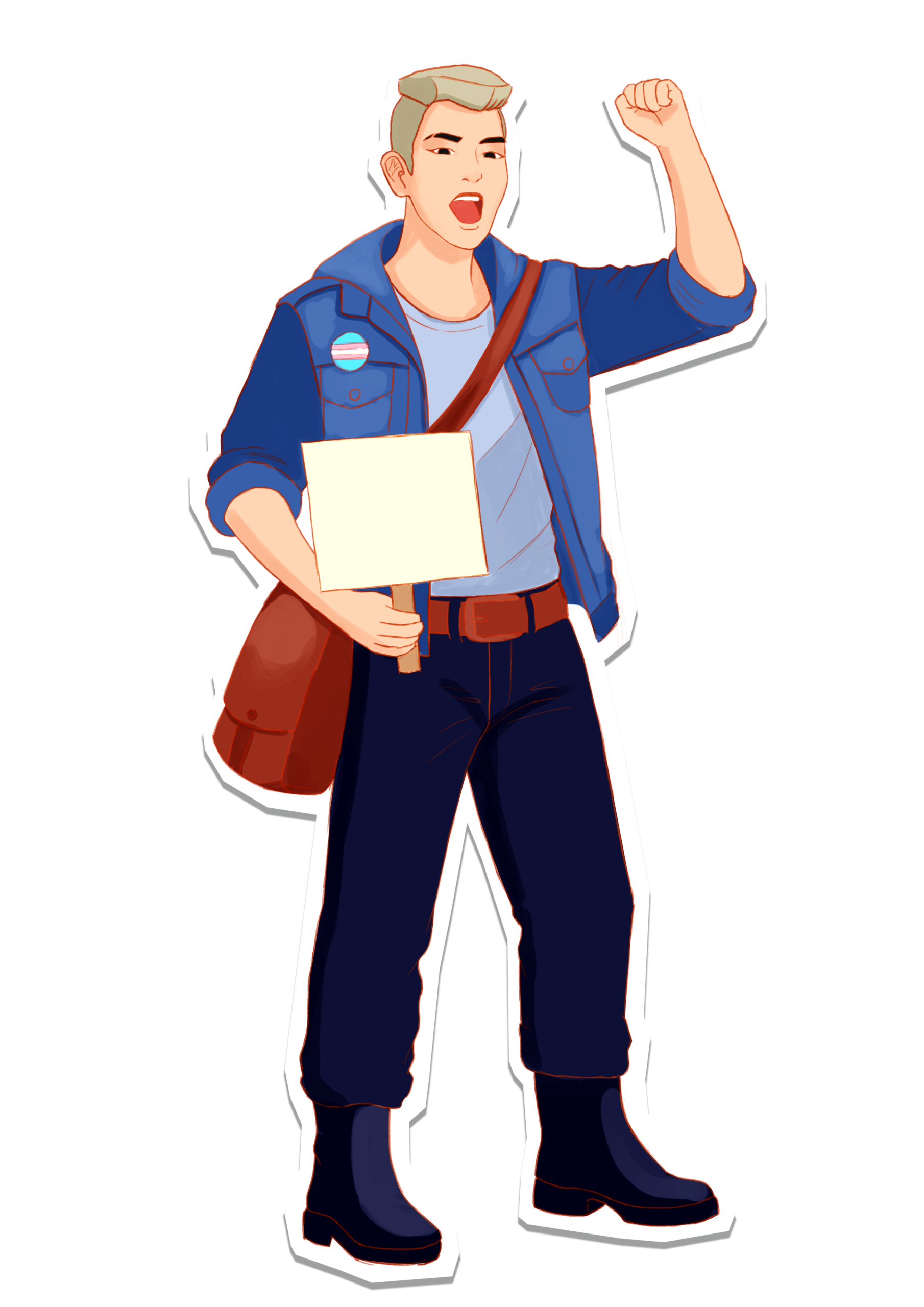
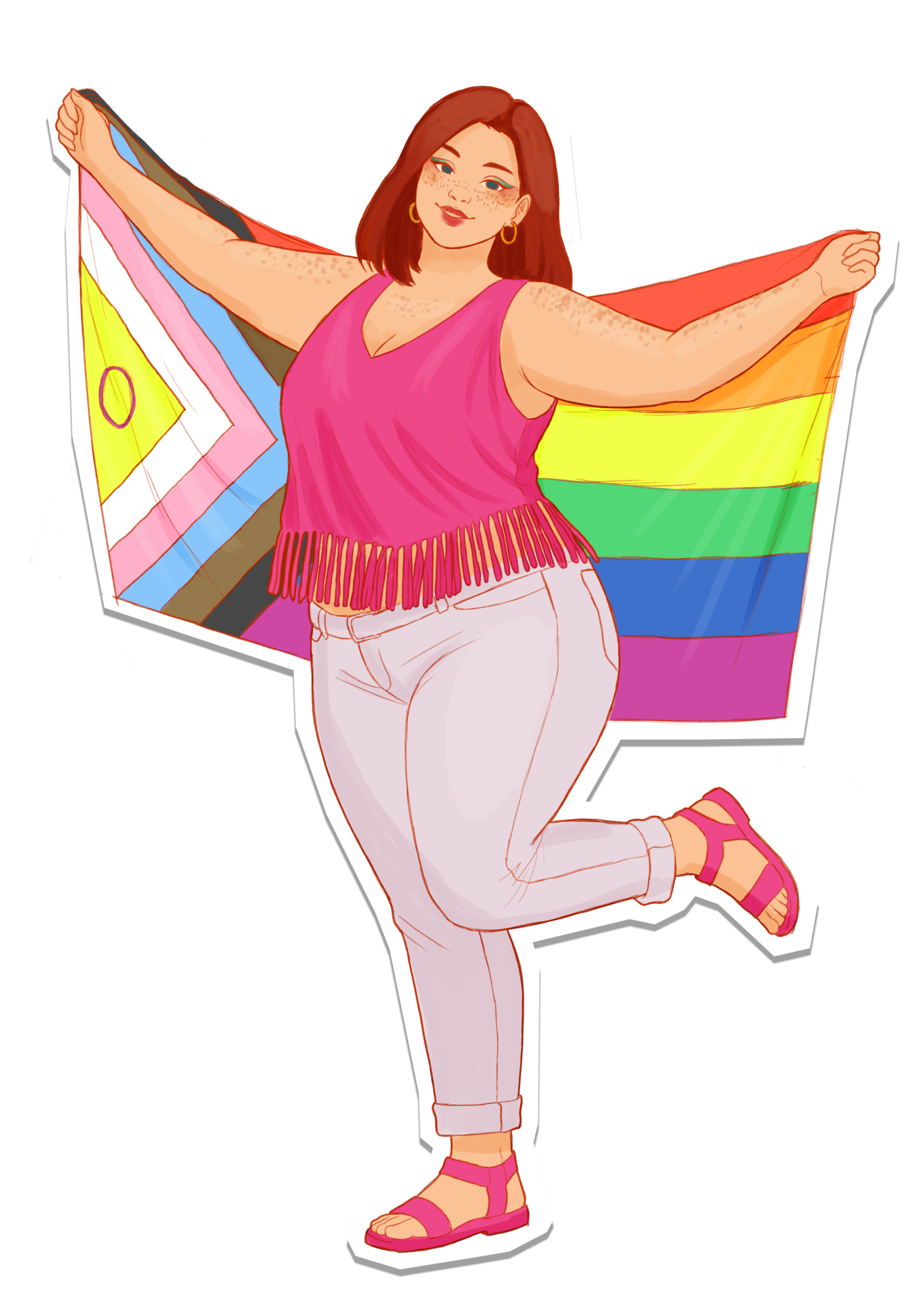
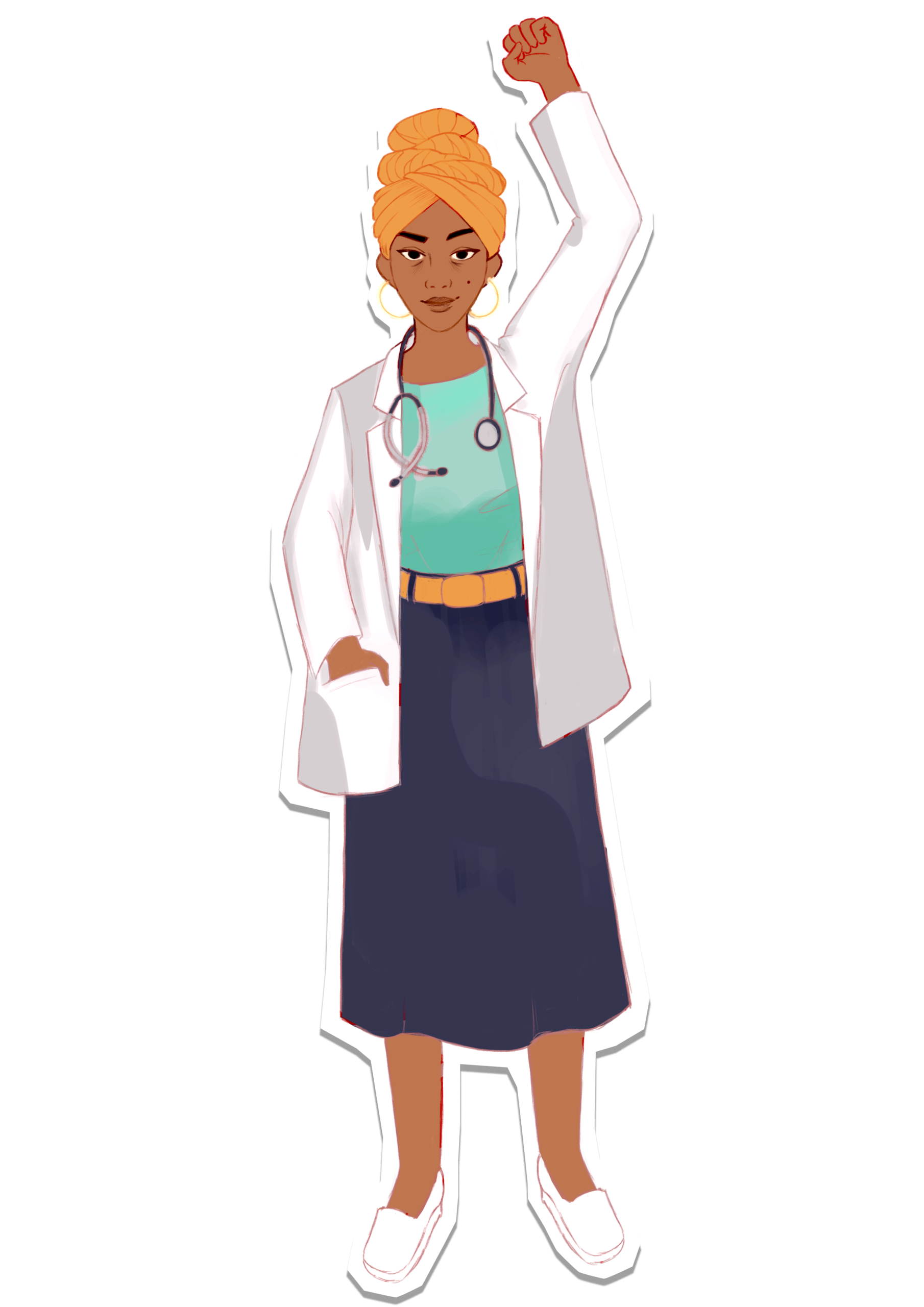
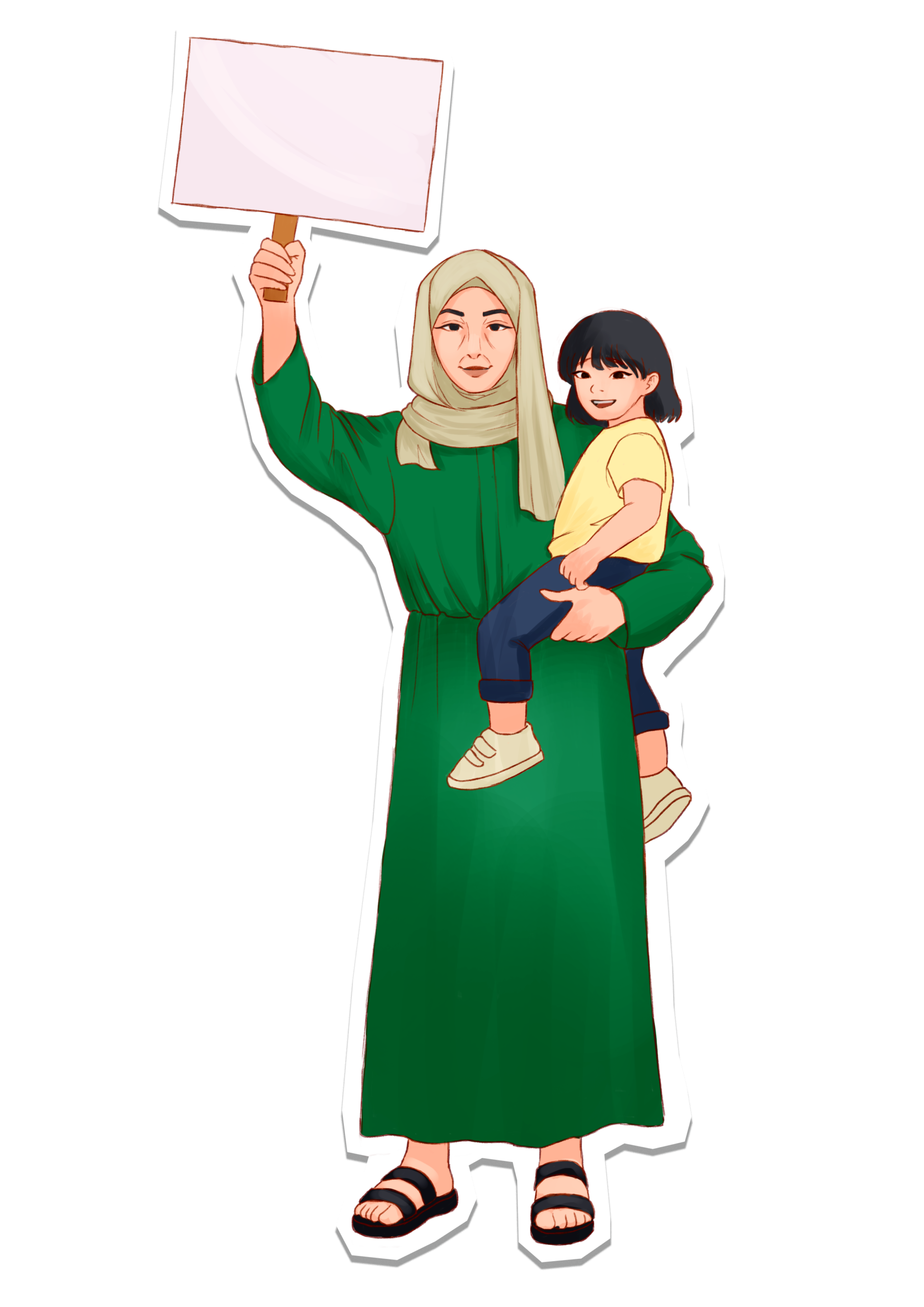
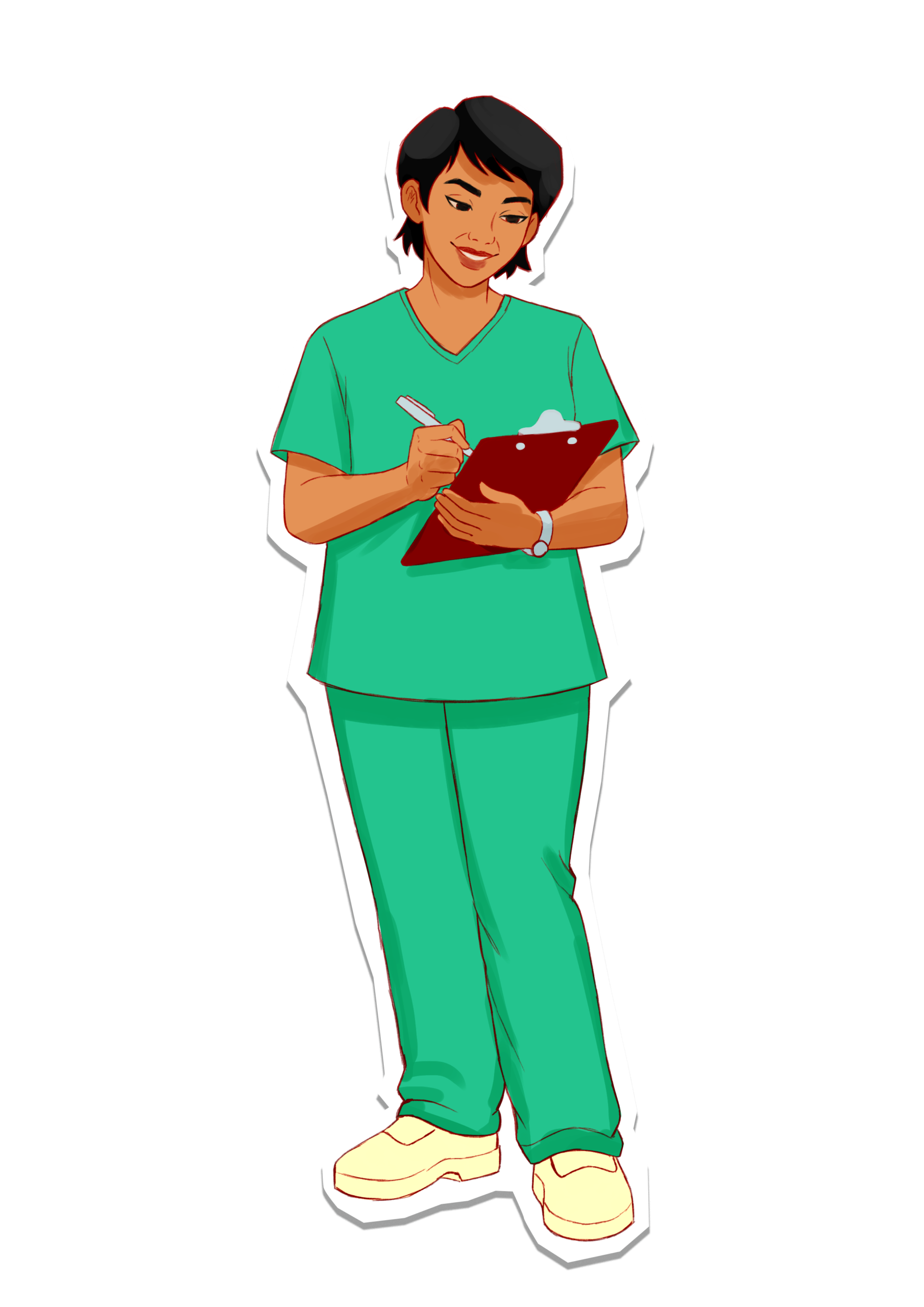
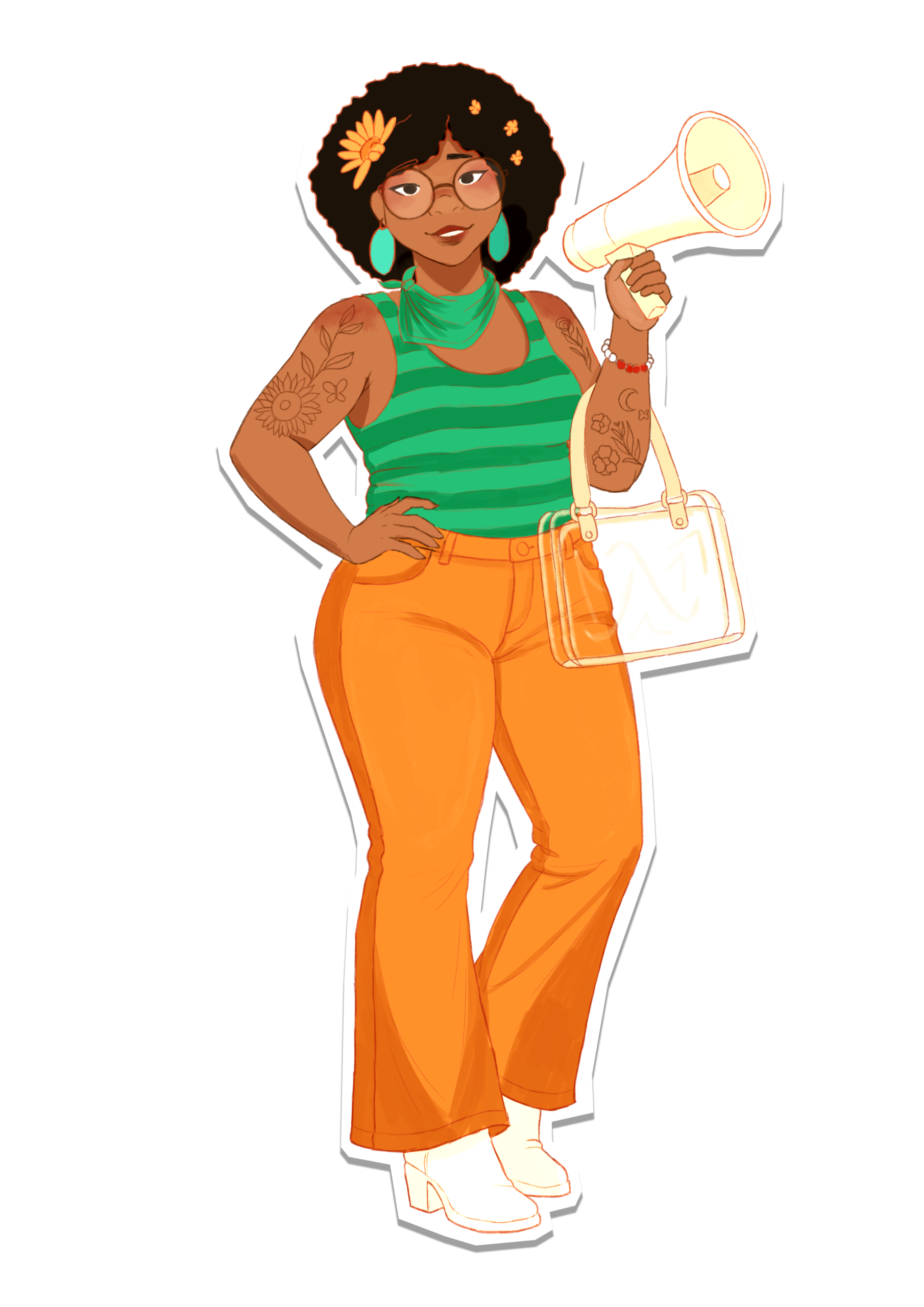
May 28 International Day of Action for Women’s Health campaign artwork

Forty years of collective action.

May 28 is observed globally as the International Day of Action for Women’s Health. For 40 years, organizations, sexual and reproductive health and rights (SRHR) activists, and broader justice movements have worked collaboratively to draft calls to action focused on critical issues related to women’s health.

Each year, activists around the world commemorate this day and take collective action in diverse ways to demand accountability from governments and institutions, resist attacks on SRHR, and affirm and defend the rights of marginalized communities, including young people, women, and gender-diverse individuals.

Essential, Not Optional

Strengthening Health Systems to Uphold Health Rights and SRHRJ in Times of Polycrisis

This year’s May 28 campaign highlighted the urgent need to protect sexual and reproductive health, rights, and justice (SRHRJ) as an essential part of the right to health. At a time when overlapping political, economic, social, environmental, and health crises are converging and intensifying one another, health systems are under growing pressure, while structural inequalities continue to determine who can access care, resources, information, and decision-making spaces.

Across regions, organizations, movements, and SRHR activists turned the call into action through dialogues, forums, community outreach, workshops, school-based activities, digital campaigns, creative storytelling, policy discussions, and movement-building spaces. Campaign actions brought together young people, Indigenous communities, LGBTQIA+ people, women and girls, health workers, advocates, legal practitioners, and community leaders.

The campaign underscored that people-centred health systems must be responsive to the realities of the communities they serve. Partner actions highlighted the value of community leadership, Indigenous knowledge, youth participation, survivor-centred spaces, creative expression, and cross-movement solidarity in shaping more inclusive and equitable approaches to health.

The strength of this year’s May 28 campaign came from the collective action of SRHR movements across regions. Through local action and global solidarity, partners reaffirmed that SRHRJ is essential, not optional—and that strengthening health systems means building systems that uphold dignity, bodily autonomy, equality, and the right to accessible, quality, and comprehensive care for all.
The strength of global solidarity.

This year, our initiatives reached millions, combining engaging online content with dynamic offline activities, marking a significant increase in reach and continuing to surpass previous records. Let’s take a closer look at the key highlights from May 28 and celebrate how communities everywhere came together in solidarity for reproductive rights.

100+Partner organizations
50+Countries reached
69M+Digital reach

#May28 · #EssentialNotOptional · #StrengthenHealthSystemsNow

Campaign actions around the world

01

On-the-ground actions

Community-led gatherings, workshops, forums, outreach and spaces for collective care.

Campaign activity by Alliance for Choice — Northern Ireland

Alliance for Choice

📍 Northern Ireland

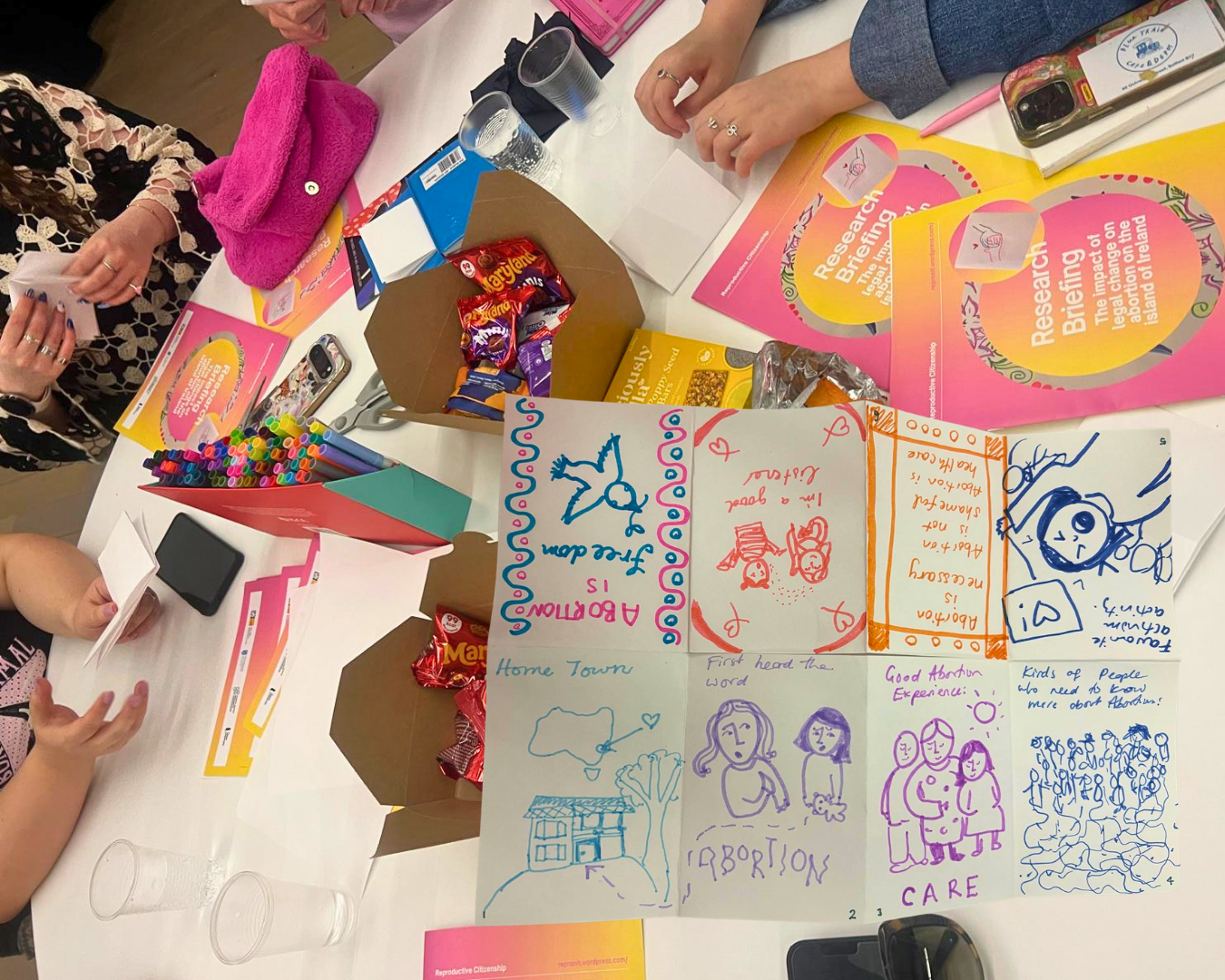
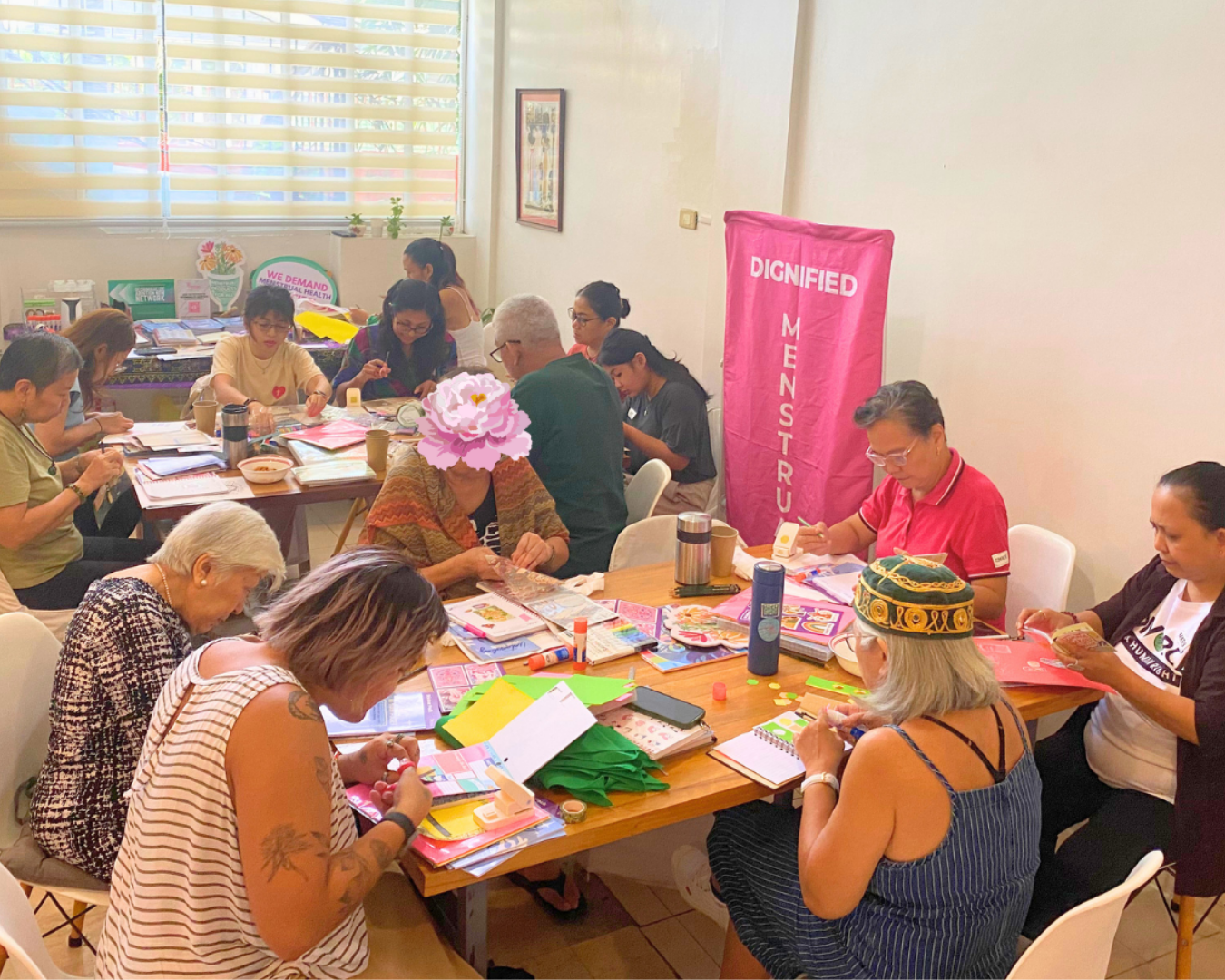
Alliance for Choice engaged advocates in “Where Are We Now With Abortion?”, an activity that examined the state of abortion access in Northern Ireland in 2026. The activity highlighted the movement’ s successful campaign for decriminalisation while also drawing attention to persistent barriers, including gaps in the implementation of comprehensive relationships and sexuality education and telemedicine. Participants also reflected on their personal journeys as activists through a creative zine-making activity, using their experiences to consider the future of reproductive justice and the next steps for the movement.

Open campaign post
Campaign activity by Centre for Social Policy Development (CSPD) — Lahore, Pakistan

Centre for Social Policy Development (CSPD)

📍 Lahore, Pakistan

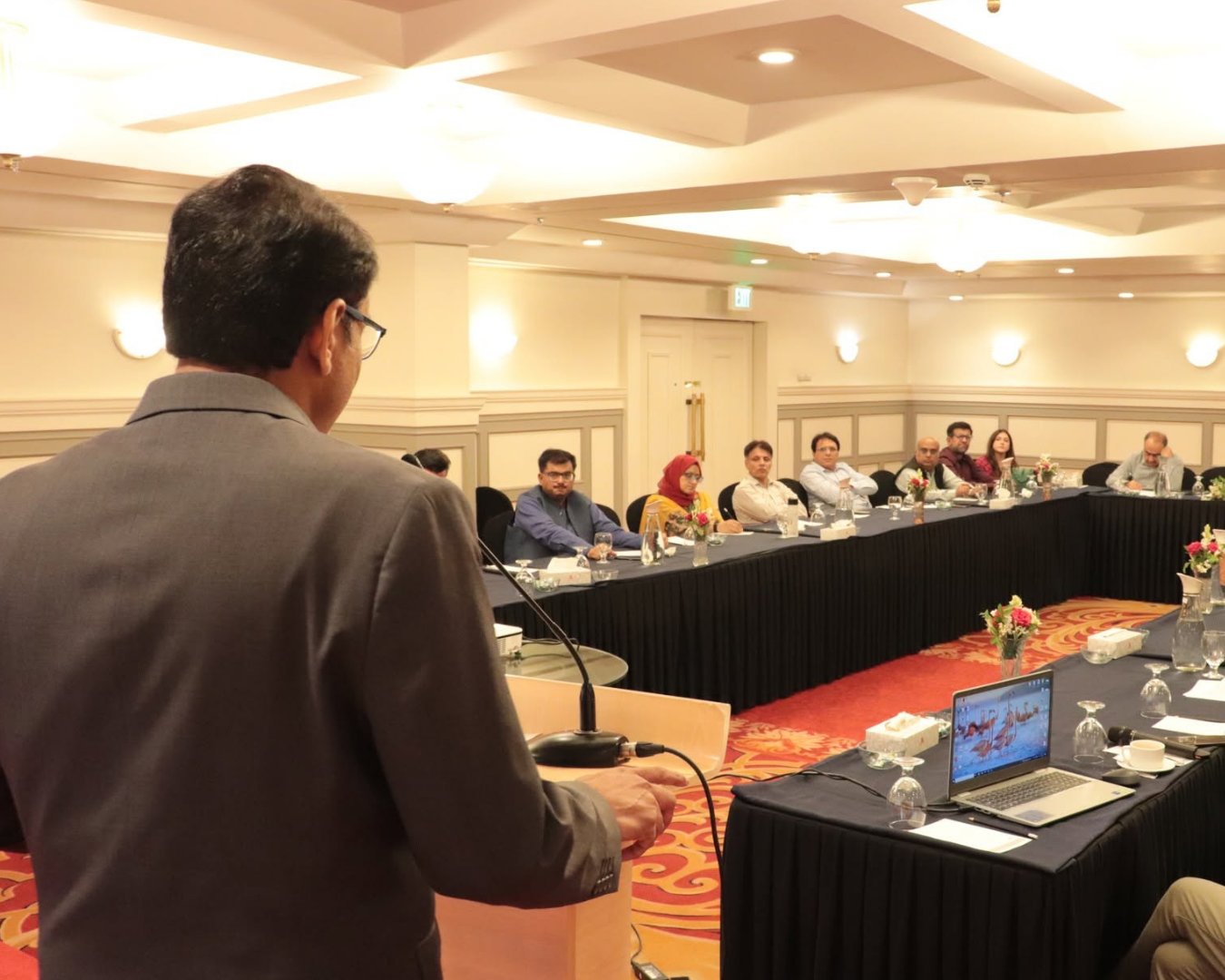
The Centre for Social Policy Development (CSPD) convened a public dialogue, “Healthy Women; Strong Communities: Access of Women and Young Girls to SRHR,” in Lahore, Pakistan, bringing together health practitioners, women’ s rights lawyers, youth groups, journalists, religious scholars, psychologists, feminists, and women’ s organisations. The dialogue highlighted the importance of integrating sexual and reproductive health and rights and justice (SRHRJ) into national health policies, strengthening reproductive healthcare services, increasing public investment in women’ s health, and improving preparedness for future climate crises. Through collective discussion and recommendations, participants explored reforms that could strengthen the Provincial Health Department and advance more equitable and resilient health systems for women and young girls.

Campaign activity by Friends of Children and Youth Organization (FOCAYO) — Tanzania

Friends of Children and Youth Organization (FOCAYO)

📍 Tanzania

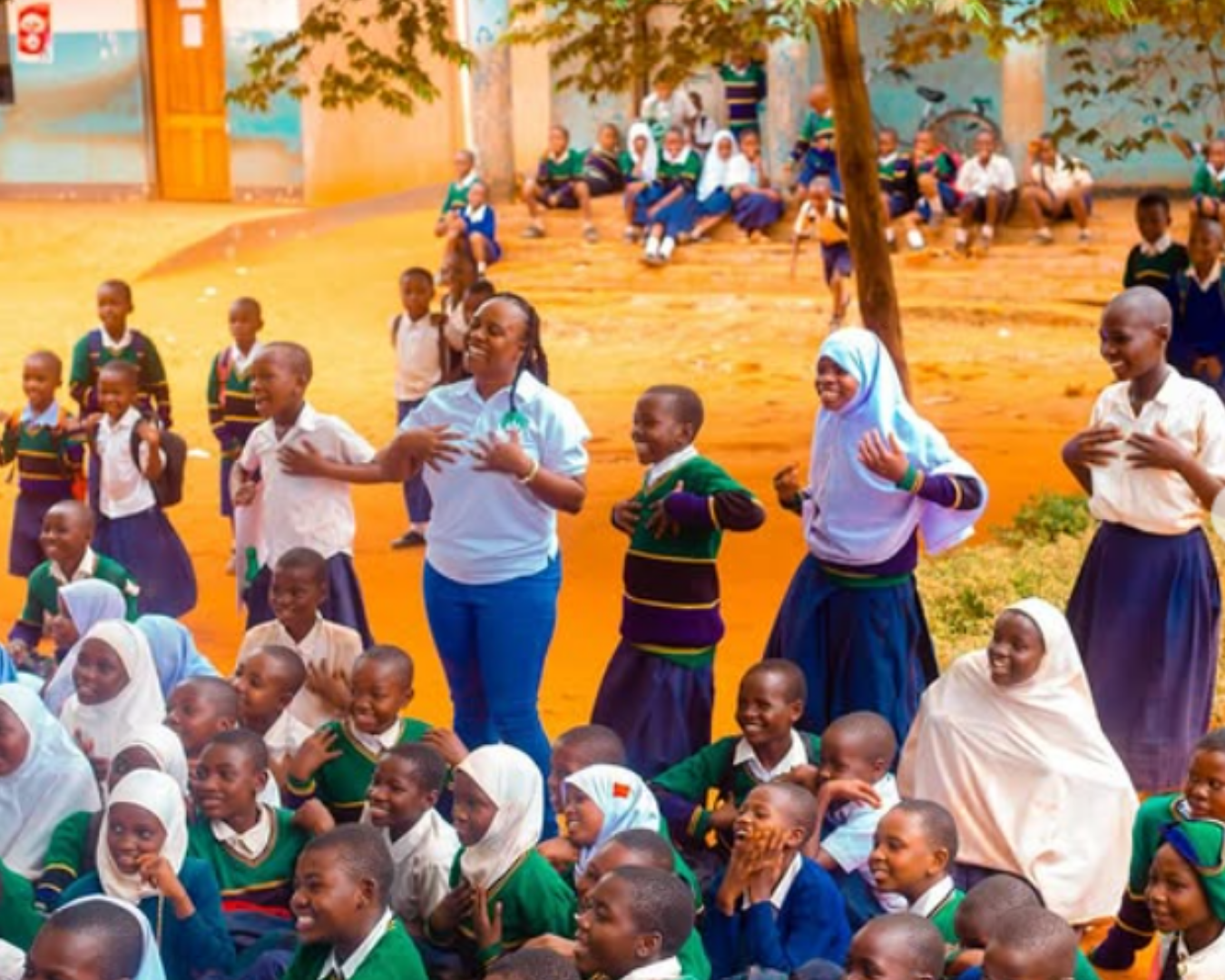
The Friends of Children and Youth Organization (FOCAYO) advanced menstrual health and dignity through the “One Girl, One Pad: Breaking Stigma and Ending Poverty in Rural Communities” initiative in Tanzania. FOCAYO engaged girls at Kingolwira Primary School in Morogoro through menstrual health education that addressed myths, misconceptions, and stigma surrounding menstruation, while creating supportive spaces for girls to discuss the challenges they face. The initiative also distributed reusable and menstrual products to approximately 200 schoolgirls, supporting their health, confidence, and continued participation in education. The campaign further called for lasting change by advocating for menstrual health to be integrated into public budgets and for schools to provide menstrual-friendly facilities, envisioning a future where every girl can manage menstruation safely, confidently, and with dignity.

Open campaign post
Campaign activity by Generation Initiative for Women and Youth Network (GIWYN) and Empath Alliance — Lagos, Nigeria

Generation Initiative for Women and Youth Network (GIWYN) and Empath Alliance

📍 Lagos, Nigeria

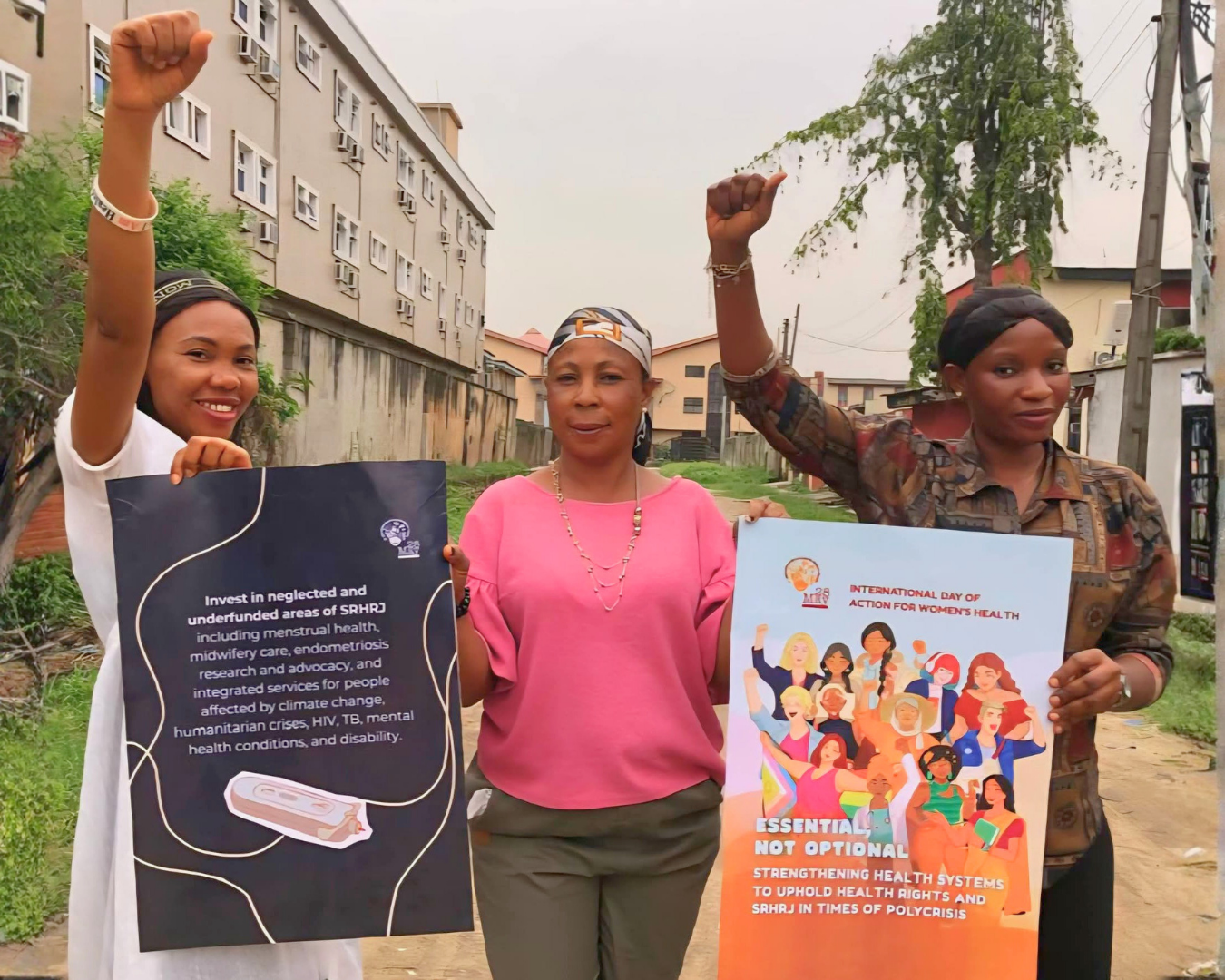
Under the theme “Healthcare is Essential, Not Optional,” Generation Initiative for Women and Youth Network (GIWYN), with Empath Alliance, engaged grassroots women in Lagos, Nigeria, in discussions on healthcare as a basic human right and the importance of access to quality healthcare throughout their lives. Using visual placards to facilitate discussion, the activity explored how healthcare enables women to prevent illness, receive timely treatment, and lead healthier lives, while emphasizing that access should not be limited by age, income, or background. The session also highlighted how healthy individuals contribute to stronger communities, creating a space for grassroots women to reflect on their right to accessible and equitable healthcare.

Open campaign post
Campaign activity by Hope for Youth Development Organisation (HYDO) — Mwanza, Tanzania

Hope for Youth Development Organisation (HYDO)

📍 Mwanza, Tanzania

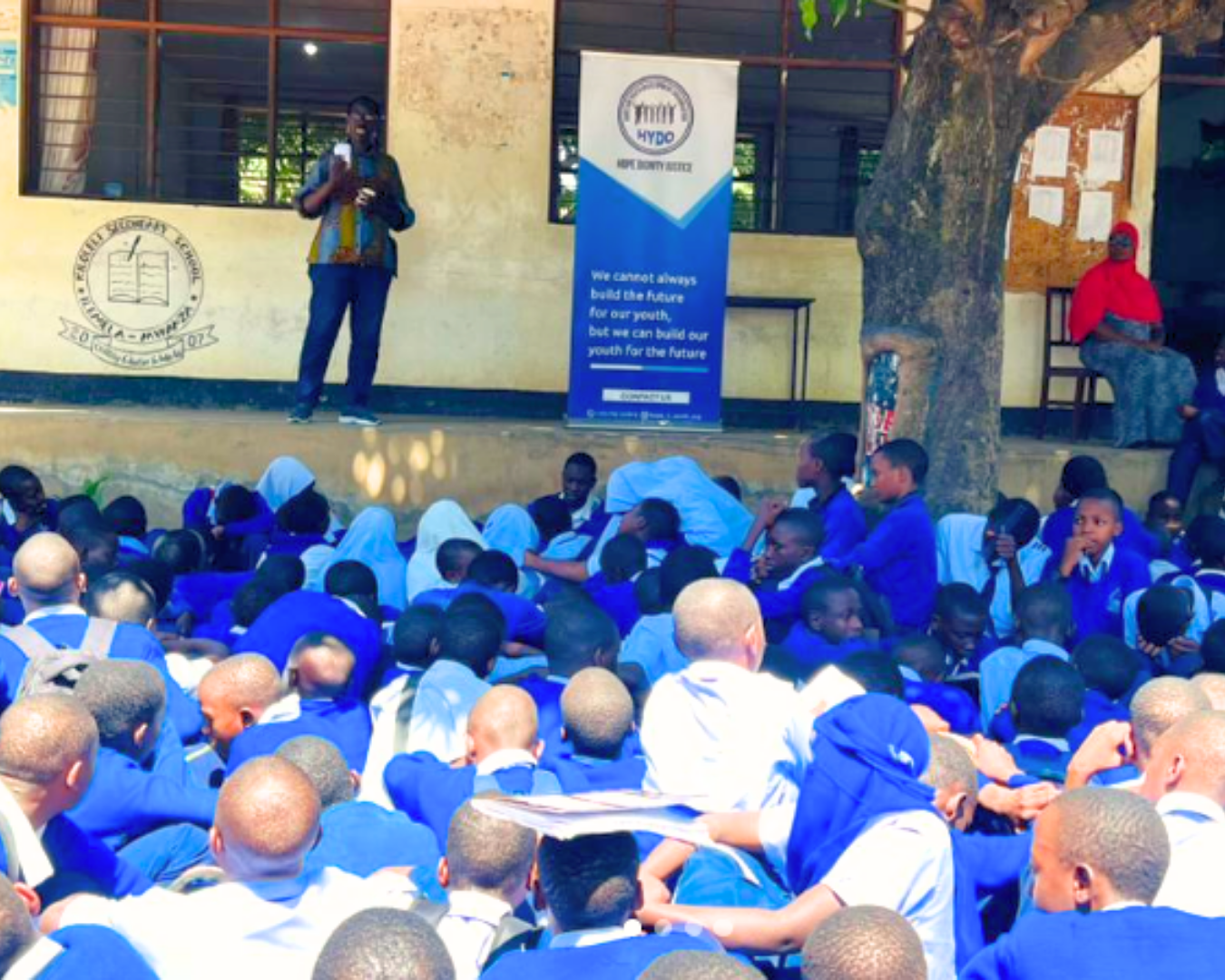
Hope for Youth Development Organisation (HYDO) conducted an awareness dialogue at Kiloleli Secondary School in Mwanza, Tanzania, reaching 600 adolescents. Led by a healthcare professional, the session explored menstruation, menstrual hygiene management, and the health risks associated with poor menstrual hygiene practices. Participants also took part in a practical demonstration on the correct use, removal, and safe disposal of menstrual products gaining essential knowledge and practical skills to manage menstruation safely, hygienically, and with confidence.

Open campaign post
Campaign activity by Network for Safeguarding Women’s Health and Rights — Abuja, Nigeria

Network for Safeguarding Women’s Health and Rights

📍 Abuja, Nigeria

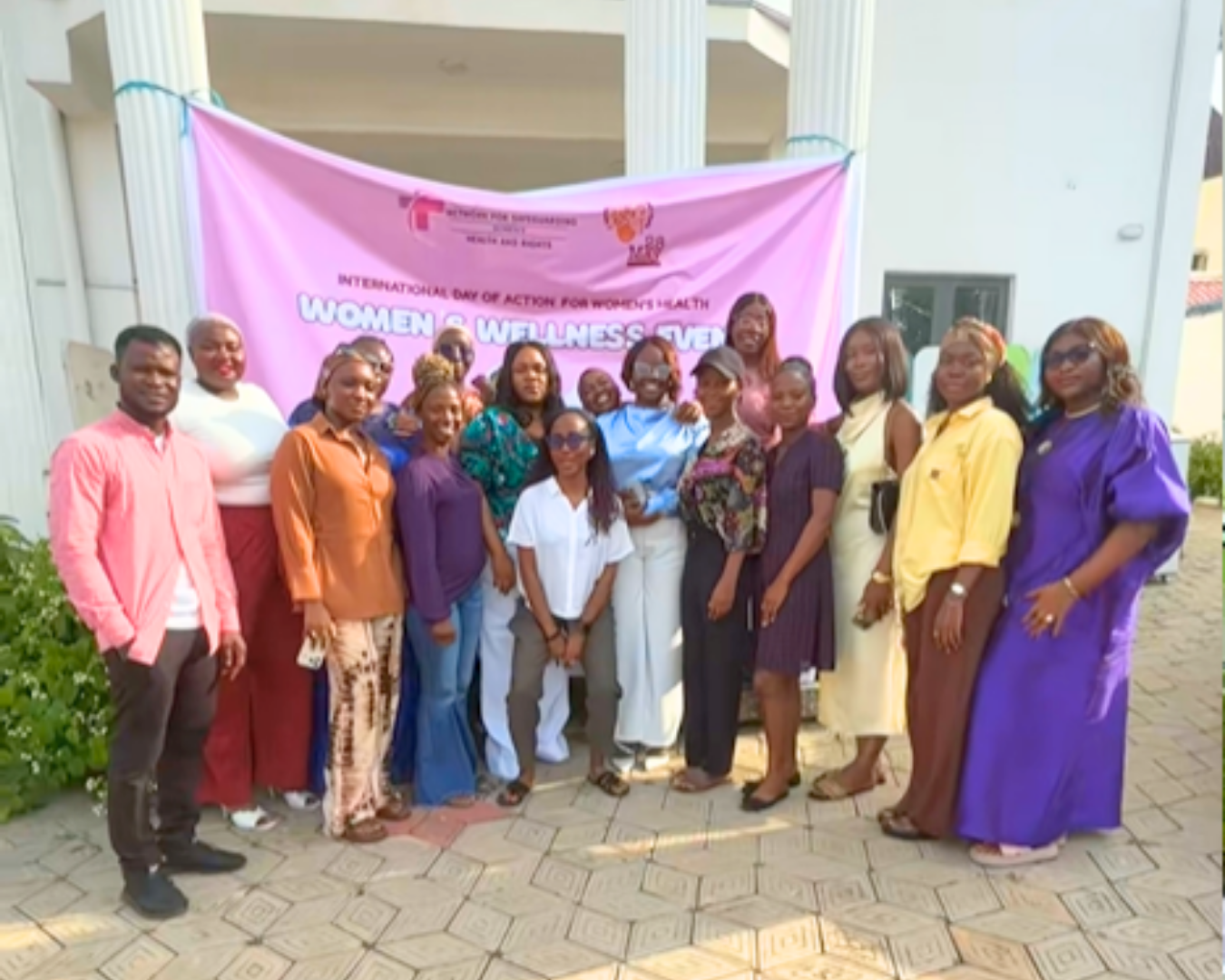
The Network for Safeguarding Women’ s Health and Rights, together with Fembud Nigeria, Komfot Health, Medvax Health, and The Sarah Project, hosted a “Women’ s Wellness Even t” in Abuja, Nigeria, creating a space to discuss women’ s health and reproductive rights through learning, dialogue, and interactive activities. Participants watched Care or Control, a documentary highlighting the importance of abortion as healthcare through the experiences of three Nigerian women at different stages of their lives. The event also featured a panel discussion on challenges affecting women’ s health, distribution of free STI test kits, and an SRHR-themed game of Snakes and Ladders, combining advocacy, health information, and community engagement.

Open campaign post
Campaign activity by WGNRR and Center for Reproductive Rights (CRR) Asia Division — Philippines

WGNRR and Center for Reproductive Rights (CRR) Asia Division

📍 Philippines

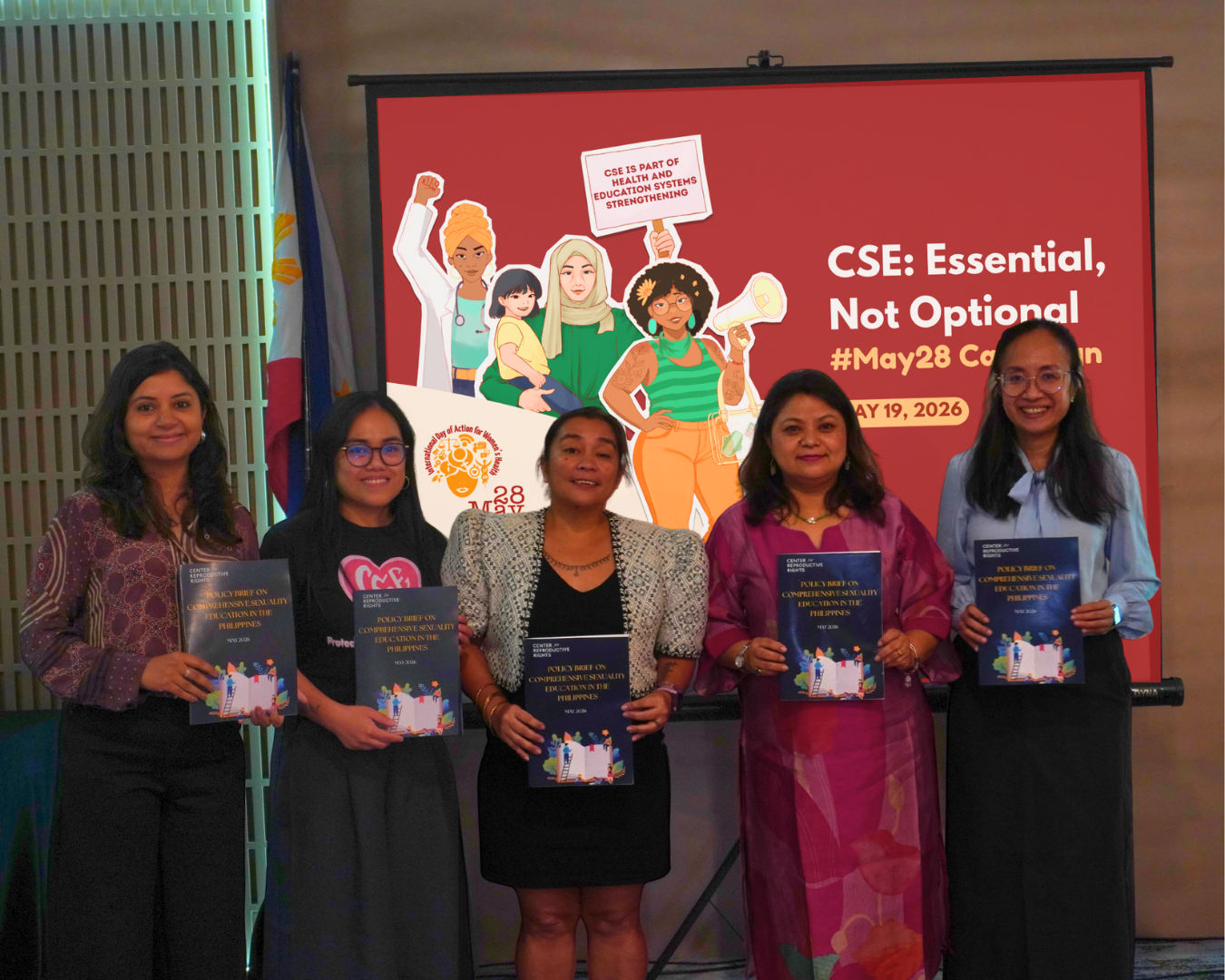
WGNRR and the Center for Reproductive Rights (CRR) Asia Division convened the forum “Comprehensive Sexuality Education: Essential, Not Optional” on May 19 in Quezon City, Philippines. The forum highlighted the importance of protecting adolescents’ rights to accurate, inclusive, and rights-based sexual and reproductive health information, particularly amid polycrises that can weaken health systems and sexuality education. During the forum, CRR also launched a policy brief on Comprehensive Sexuality Education, featuring recommendations developed through multi-stakeholder consultations in the Philippines and grounded in the Responsible Parenthood and Reproductive Health (RPRH) Law and international human rights standards. Partners also reflected on the broader challenges facing CSE and the urgent need to protect and advance it as an essential component of equitable and resilient health systems.

Open campaign post
Campaign activity by Women for a Change — Cameroon

Women for a Change

📍 Cameroon

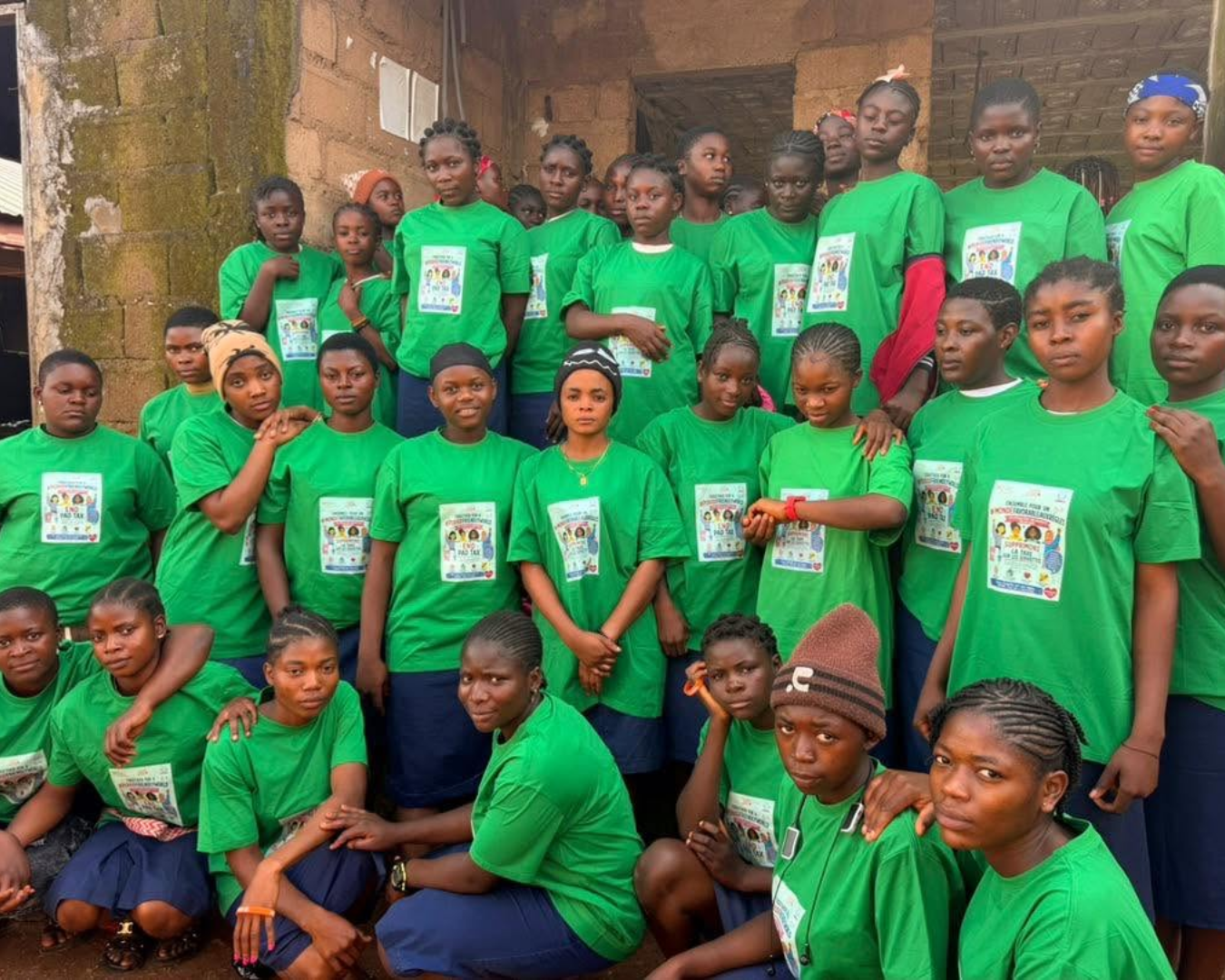
On May 28, Women for a Change, organized an activity “Together for a Period Friendly World: End pad Tax Now” to their community in Cameroon, reaching more than 150 adolescent girls and young women alongside health professionals, men, community leaders, civil society members, and other community stakeholders. Through menstrual health education and discussions on discrimination, the team created spaces for participants to learn, share experiences, and challenge menstrual stigma. The activity also included peer-to-peer learning with girls who are out of school, as well as creative arts sessions and feminist games, making menstrual health conversations engaging, participatory, and accessible.

Campaign activity by The YP Foundation — New Delhi, India

The YP Foundation

📍 New Delhi, India

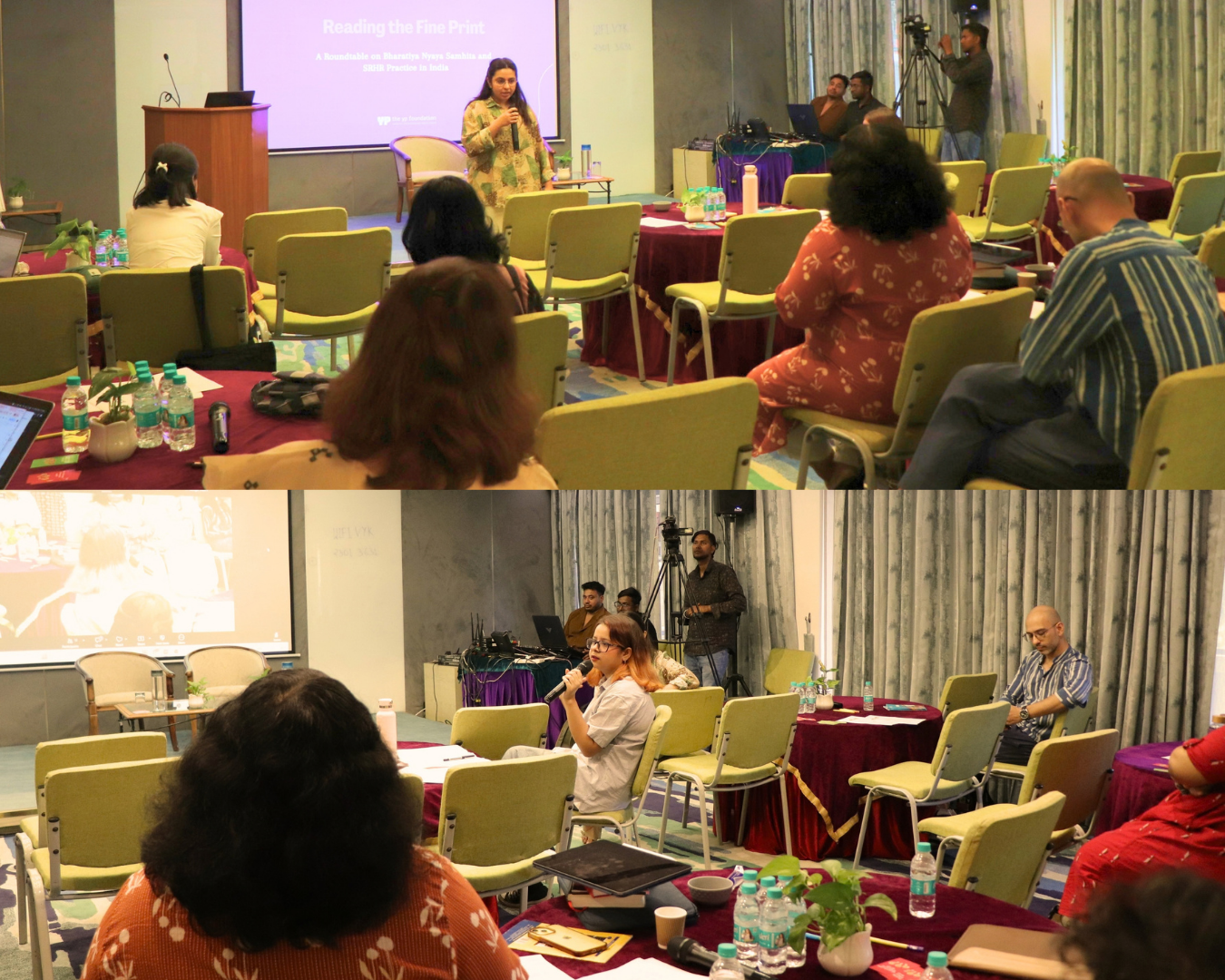
As part of the “HealthCare for Every Body” campaign, The YP Foundation convened “Reading the Fine Print: A Roundtable in Law and SRHR” on May 30 in New Delhi, bringing together legal and medical professionals, civil society organisations, and development practitioners to examine how the Bharatiya Nyaya Sanhita (BNS) 2023 and the Medical Termination of Pregnancy (MTP) Act, 1971 shape abortion access in India. The discussion reflected on legal gains and continuities while identifying gaps between statutory rights and people’ s lived experiences at the community and provider levels. Participants collectively mapped pathways for advancing reproductive justice, including reframing abortion as essential healthcare, strengthening institutional capacity, engaging men as partners in reproductive health, and localising interventions to bridge the gap between progressive jurisprudence and practice.

Campaign activity by The YP Foundation — New Delhi, India

The YP Foundation

📍 New Delhi, India

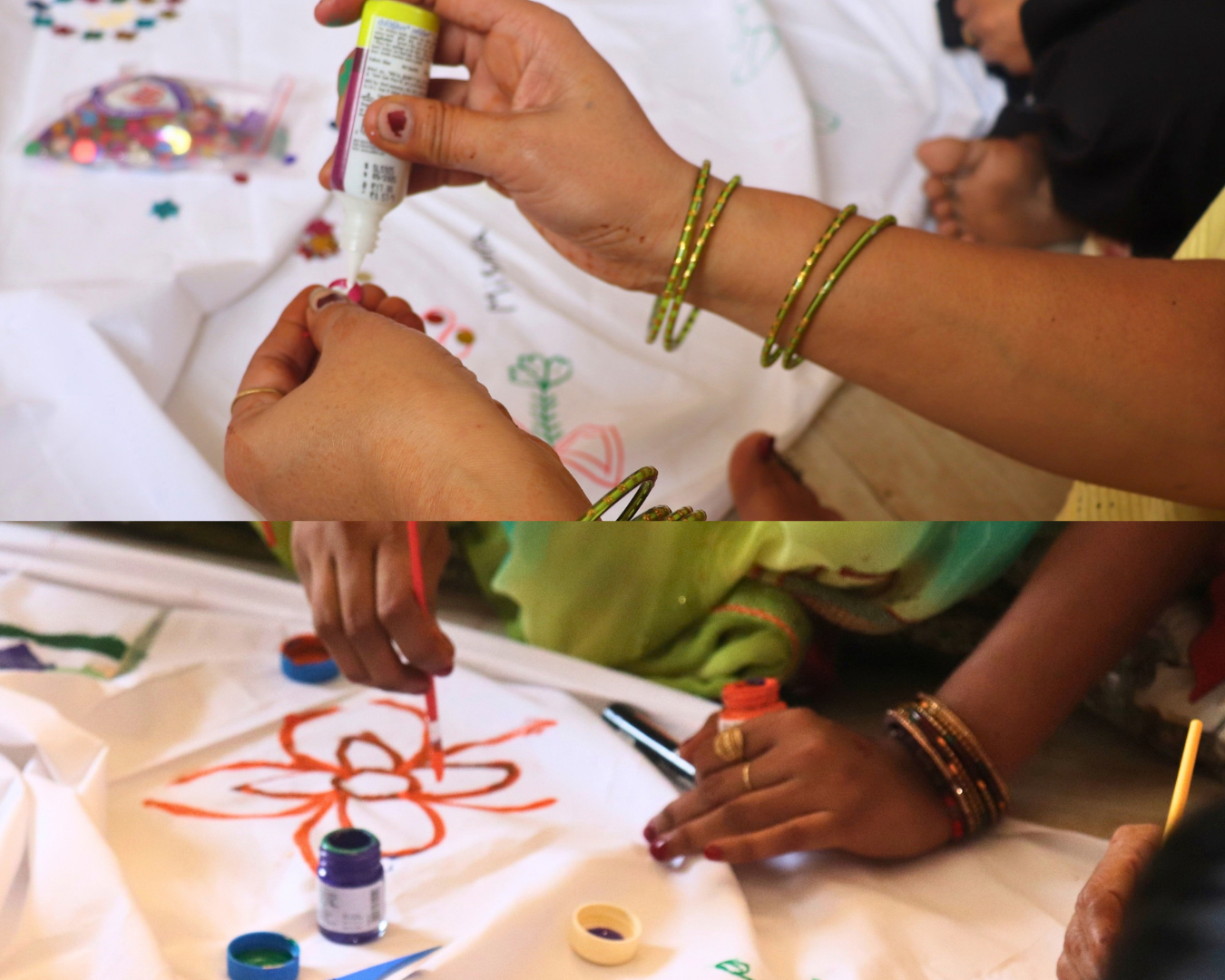
On May 31, The YP Foundation facilitated a reflective session with young married women exploring leisure, care, and rest as part of sexual and reproductive health and rights (SRHR). Through guided prompts and creative activities, participants reflected on their experiences of rest and care and what they would choose to do if they had a day dedicated entirely to themselves. Their reflections showed how household responsibilities can leave little space for leisure, with rest often found in small moments such as singing, sleeping, embroidery, watching videos, or simply having a few quiet minutes alone. The session closed with participants drawing and embroidering their visions of leisure on cloth, alongside shared songs that opened conversations on care, aspirations, and community wellbeing.

Campaign activity by Trust for Indigenous Culture and Health (TICAH) — Kenya

Trust for Indigenous Culture and Health (TICAH)

📍 Kenya

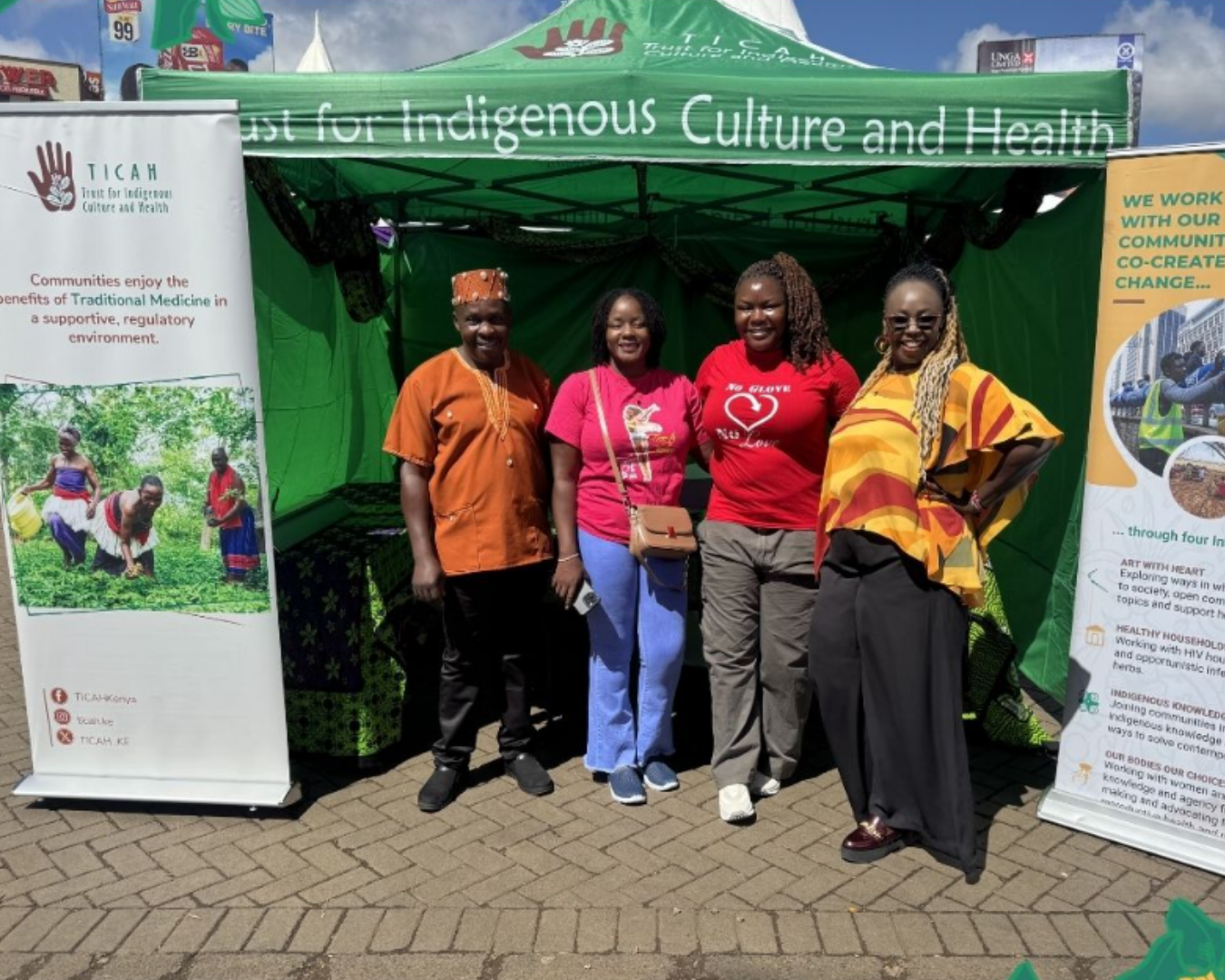
On May 28, the Trust for Indigenous Culture and Health (TICAH), in collaboration with Ngong Sub County Hospital and USAWA Reproductive Health, marked the International Day of Action for Women’ s Health and Nutrition Day at Ngong Bus Stage under the theme “Service Delivery and Nutritional Health.” The activity brought together indigenous knowledge, nutrition, reproductive health, and women’ s health, highlighting the value of holistic and community-led approaches to care. A women-led Plant Talks session explored the role of herbs and indigenous plant knowledge in supporting reproductive health and responding to reproductive health concerns. Through the outreach, more than 200 community members accessed integrated health services and engaged in conversations on nutrition, wellbeing, and accessible healthcare, reinforcing the importance of strengthening service delivery as a pathway to reducing maternal mortality and morbidity in Kenya.

Open campaign post
Campaign activity by Visible Impact — Nepal

Visible Impact

📍 Nepal

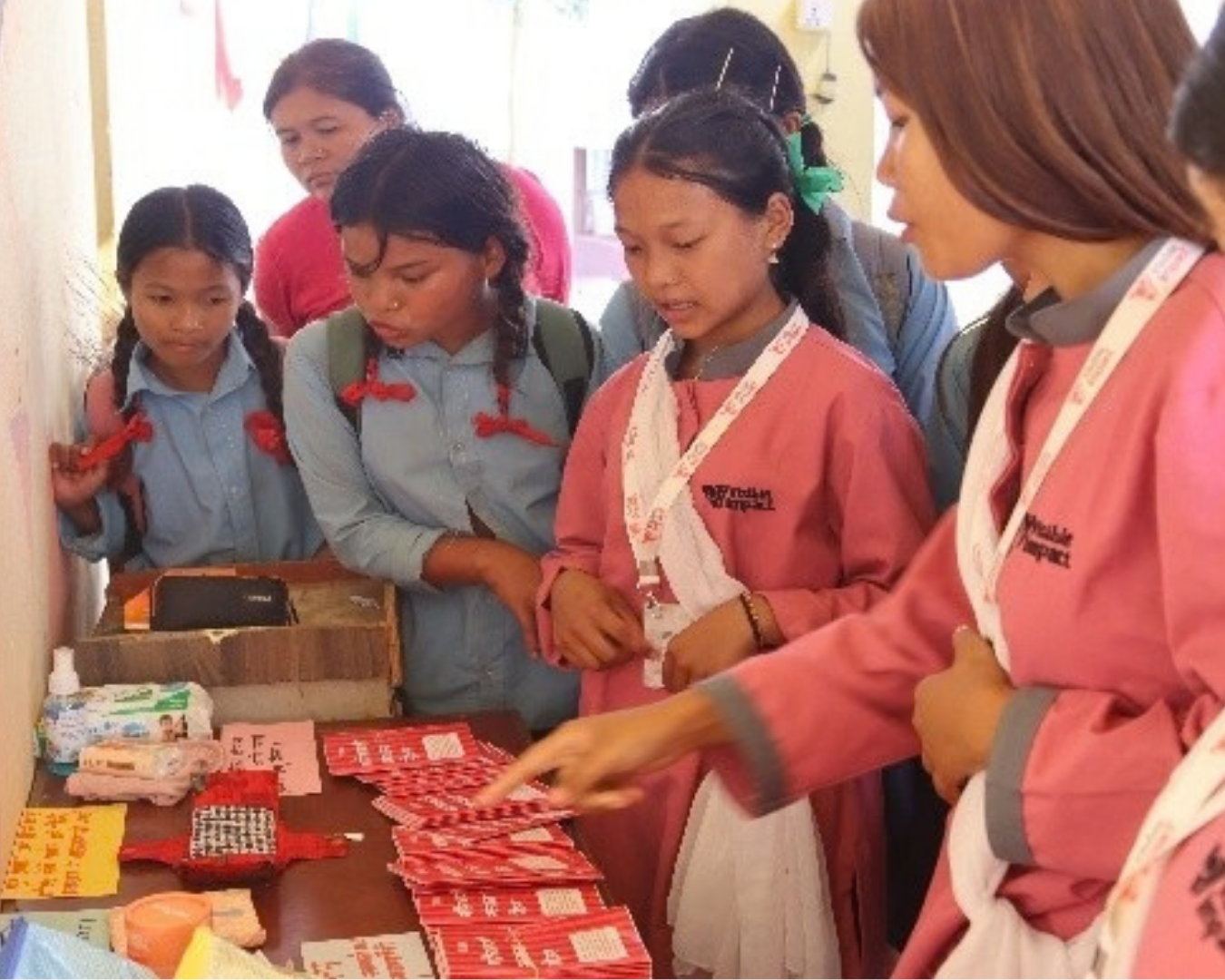
To mark May 28, Visible Impact, through the Empowered Chepang Girls Initiative, organized school-based quiz and essay competitions across Wards 1, 2, 6, and 7 of Gandaki Rural Municipality in Gorkha District, engaging students from schools serving the Chepang community in conversations on menstrual health and hygiene. Led by trained Local Coordinators and Youth Champions from the Chepang community, the activities provided students with accurate, age-appropriate information on menstruation, menstrual hygiene management, and SRHR while creating opportunities to challenge myths and stigma. The initiative also established Period Corners in participating schools, offering accessible information on menstrual products and their proper use and creating safe spaces for students to learn about menstrual health. By encouraging male students to participate alongside girls, the activities promoted shared understanding and responsibility, helping foster a more inclusive school environment where menstruation can be discussed openly and without stigma.

Campaign activity by Women’s Global Network for Reproductive Rights (WGNRR), Decriminalize Abortion Network (DAN), and Philippine Safe Abortion Advocacy Network (PINSAN)

Women’s Global Network for Reproductive Rights (WGNRR), Decriminalize Abortion Network (DAN), and Philippine Safe Abortion Advocacy Network (PINSAN)

📍 Philippines

On May 30, WGNRR, in partnership with DAN Network and PINSAN and with support from Fòs Feminista and the French Development Agency through the Sang Pour Sang Project, convened “Hingang Malalim (A Deep Breath): A Solidarity Care Space for Sexual and Reproductive Health Advocates.” The intergenerational gathering created space for advocates to pause, reconnect, and reflect through mindful journaling, art-based activities, and community care. The activity explored what sustains advocates and movements amid polycrisis, highlighting that strengthening health systems also means sustaining the people who make health rights, menstrual dignity, and SRHRJ work possible.

Open campaign post
Campaign activity by SAHAJ – Society for Health Alternatives and SARTHI

SAHAJ – Society for Health Alternatives and SARTHI

📍 Gujarat, India

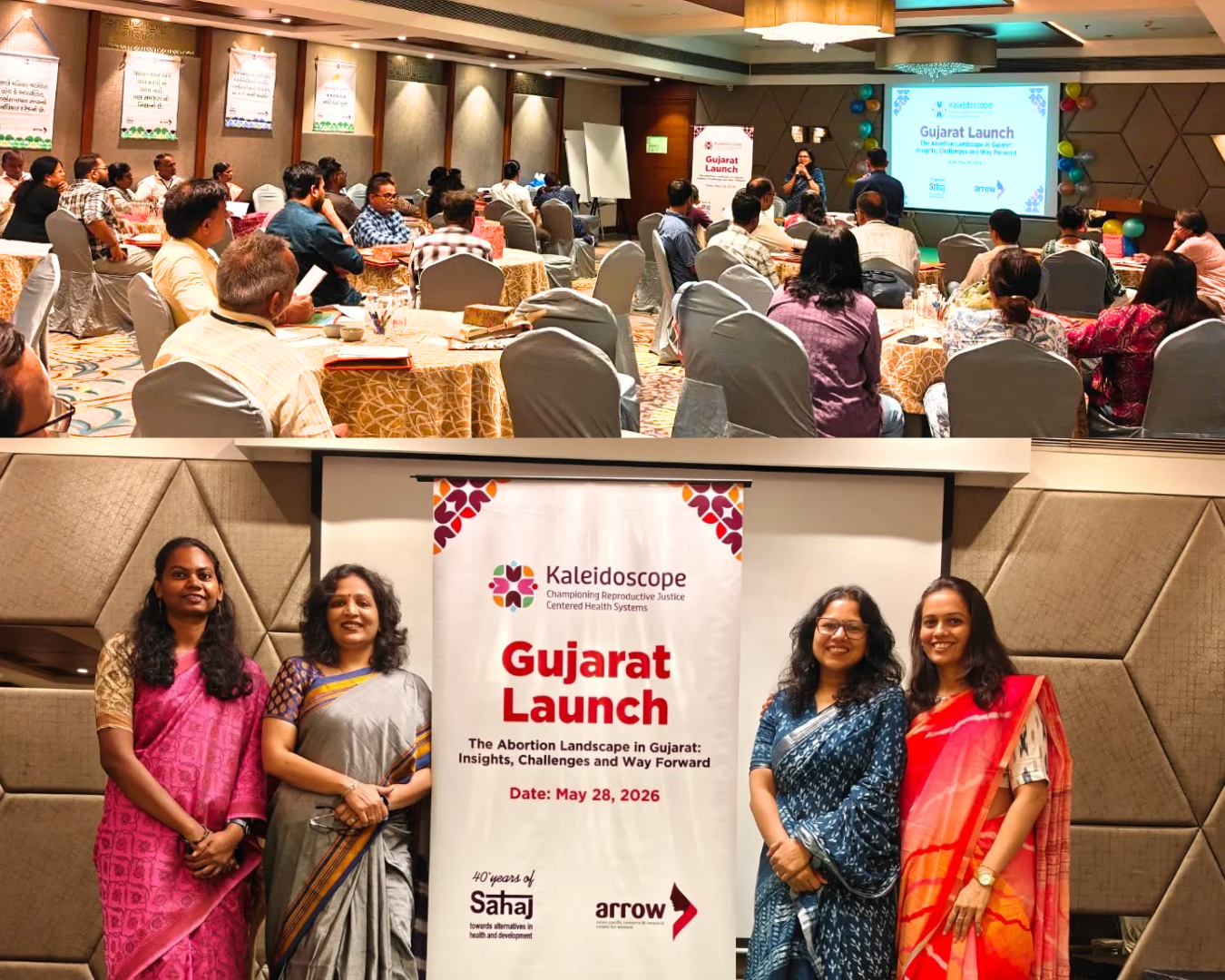
As part of the May 28 campaign, SAHAJ – Society for Health Alternatives, with SARTHI as its district implementing partner in Dahod and Mahisagar, launched the Kaleidoscope Initiative in Gujarat through an event in Vadodara focused on advancing dialogue and action on safe abortion and Comprehensive Abortion Care. Nearly 65 stakeholders—including health department representatives, medical practitioners, media, universities, legal services, civil society organisations, advocates, and local youth—participated in the launch.

Open campaign post
Campaign activity by WGNRR Africa — Tanzania

WGNRR Africa

📍 Tanzania

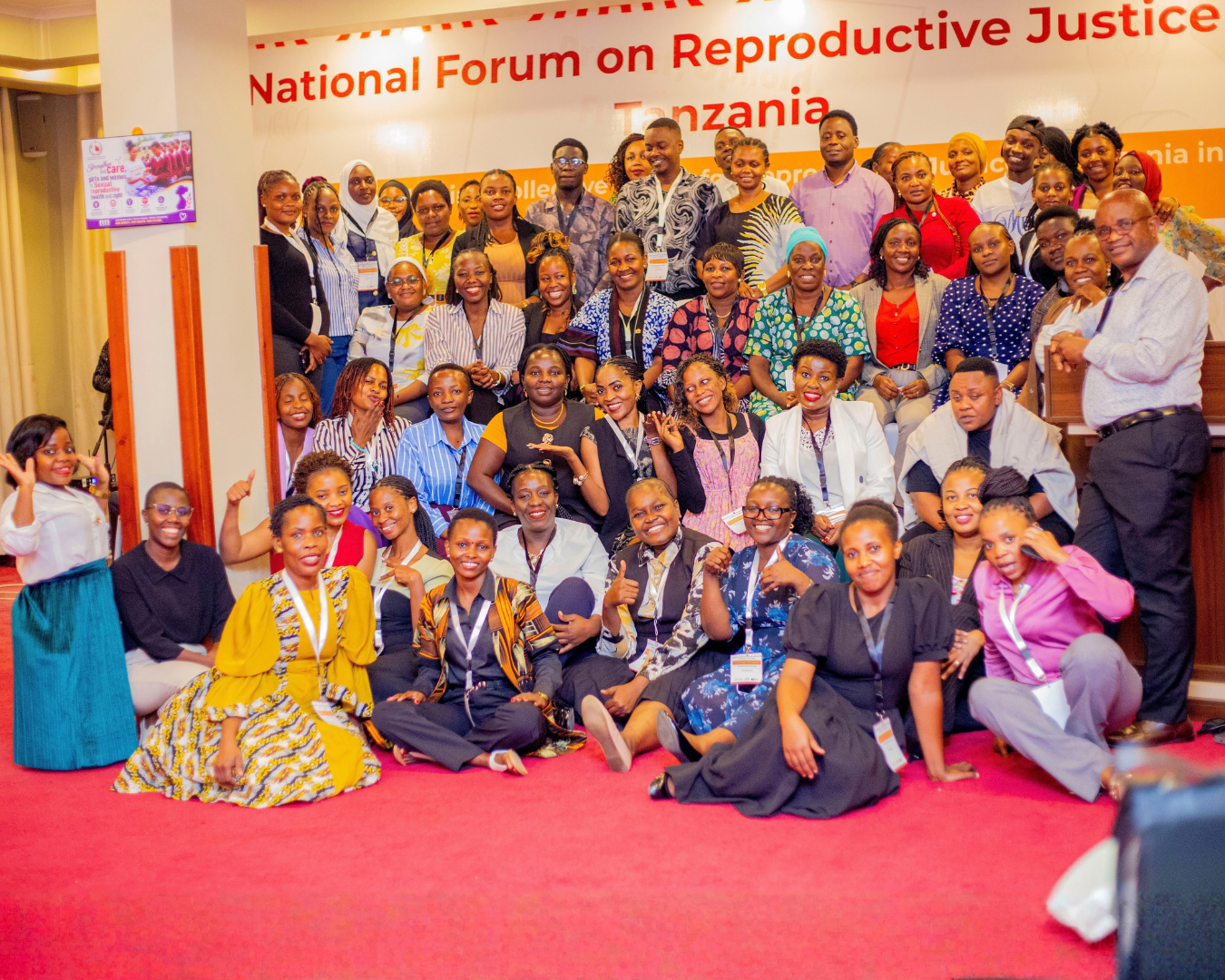
On May 28 – 29, WGNRR Africa convened the Second Tanzania National Reproductive Justice Forum under the theme “Essential, Not Optional: Strengthening Reproductive Justice and Collective Power in Times of Polycrisis.” The forum brought together 55 stakeholders from 15 regions across Tanzania, representing reproductive health and rights, legal, youth, feminist, disability, and community movements. Participants reflected on developments since the inaugural 2025 Forum, recognising greater visibility of SRHR in public discourse and increased engagement by local authorities while examining persistent barriers including stigma, misinformation, weak implementation of laws and policies, resistance from political and religious actors, and fragmented advocacy. The two-day gathering also focused on strengthening movement coordination, with participants identifying priorities for improving communication and accountability, reinforcing the Interim Steering Committee, and developing a shared 2026 – 2027 advocacy and action roadmap.

Open campaign post
Campaign activity by Youth Led SRHR Advocacy Nepal (YoSHAN) — Nepal

Youth Led SRHR Advocacy Nepal (YoSHAN)

📍 Nepal

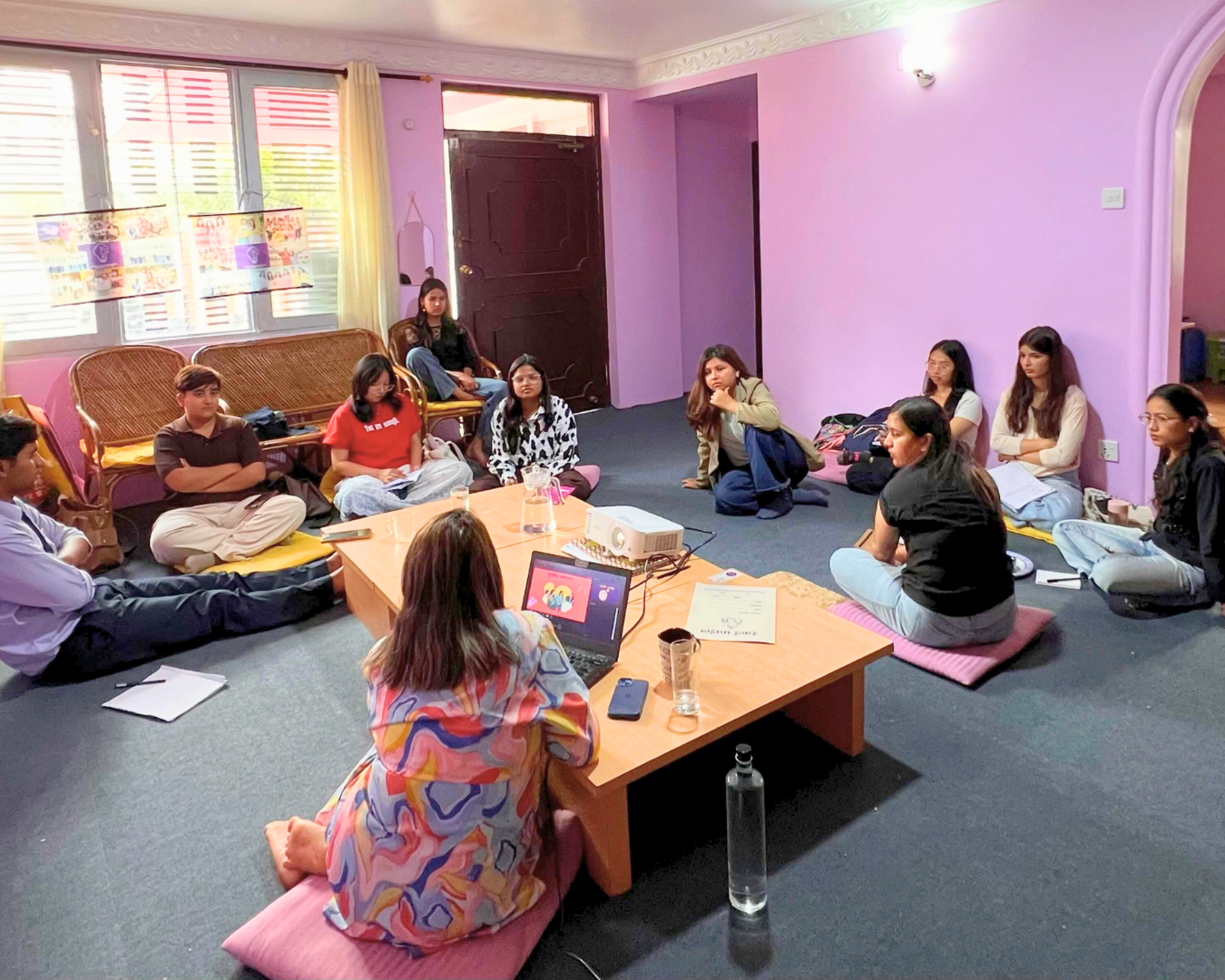
On May 27, YoSHAN hosted “Guff4Youth on Abortion Rights,” creating a safe and open space for young people to discuss abortion rights and reproductive justice. The conversation explored bodily autonomy, abortion stigma, access to care, laws, and young people’ s lived realities, encouraging participants to learn, reflect, and share their perspectives. By centering young people’ s voices, the session reinforced the importance of access to accurate information, dignity, and the right to make informed decisions about one’ s own body, recognising safe abortion as an essential part of healthcare.

Open campaign post
Campaign activity by Azad Foundation — Jaipur, India

Azad Foundation

📍 Jaipur, India

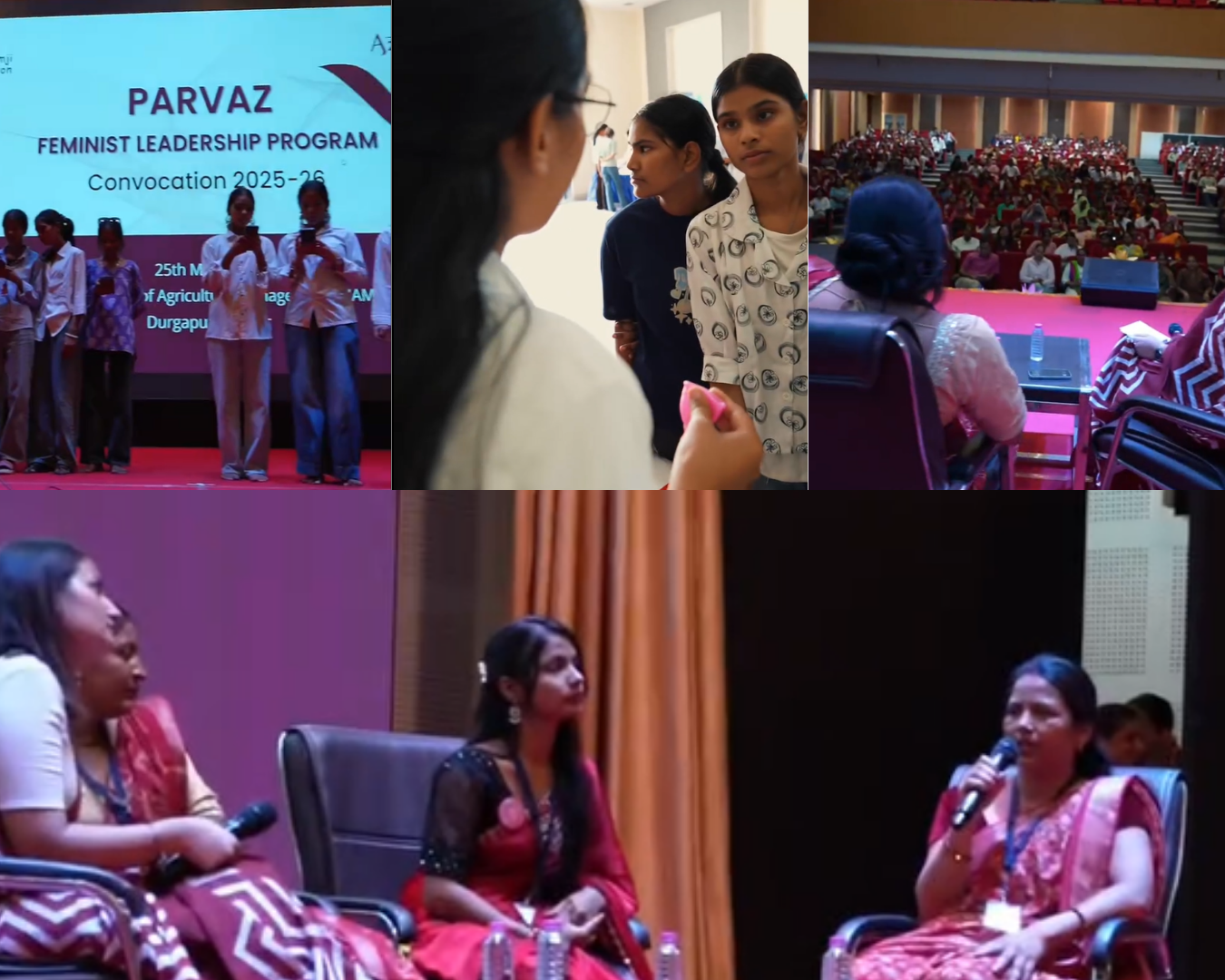
On May 25, Azad Foundation hosted the 4th Azad Kishori Utsav & Annual Event, bringing together around 500 participants for a festival centred on menstrual hygiene management and menstrual dignity. The event featured solidarity stalls from partner organisations working on adolescent health and SRHR, creating opportunities for participants to engage with resources and community-led initiatives. It also recognised outstanding Kishori leaders through the Community Change Maker Awards, celebrating their work to challenge menstrual taboos and connect menstrual dignity with girls’ rights to education and non-traditional careers. An intergenerational panel featuring Kishori leaders, a mother, and a brother further explored the role of family support in shifting attitudes and creating more supportive environments for girls.

Campaign activity by Lilak Purple Action for Indigenous Women — Quezon City, Philippines

Lilak Purple Action for Indigenous Women

📍 Quezon City, Philippines

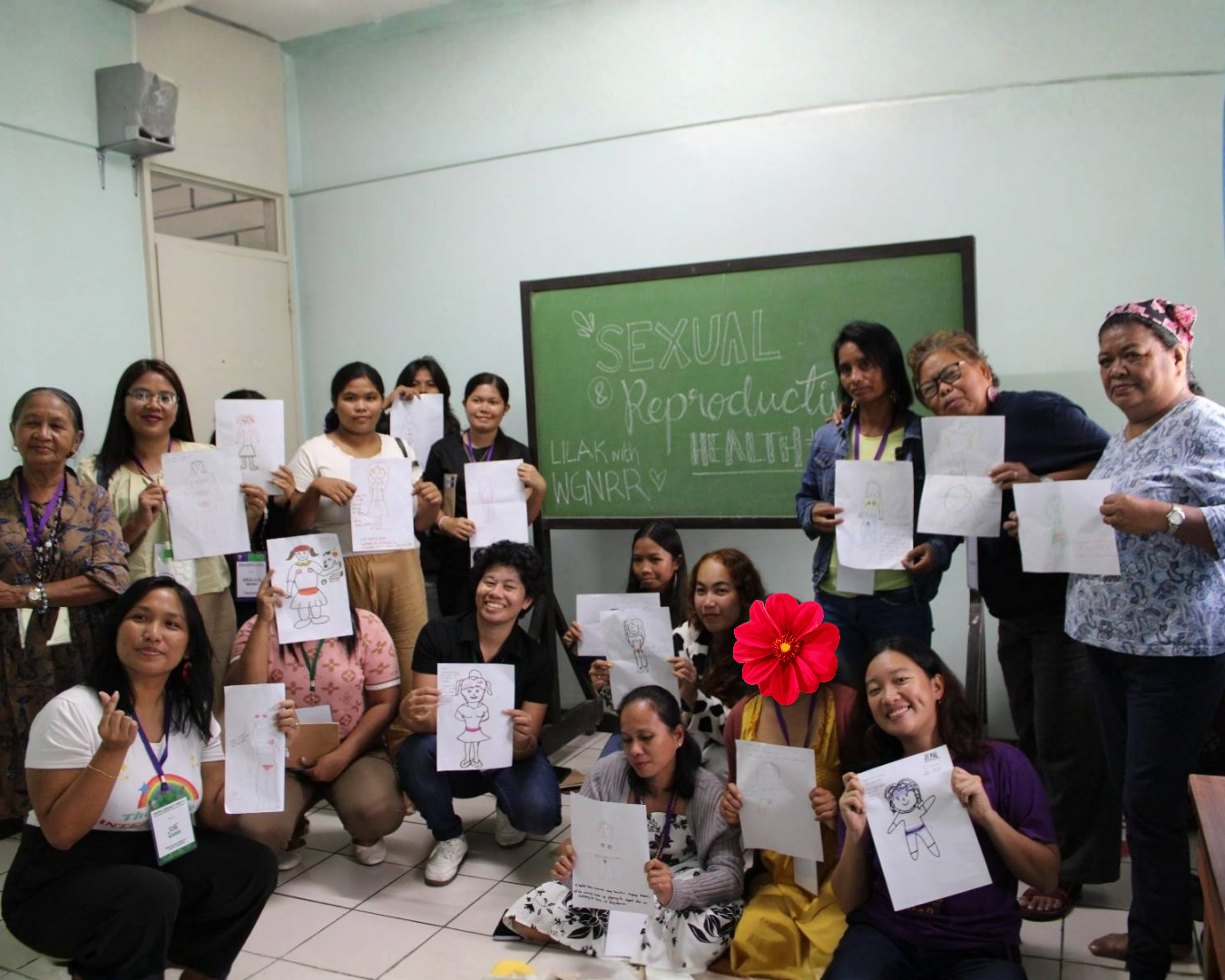
Lilak Purple Action for Indigenous Women convened the National Indigenous Women’ s Gathering 2026: Menstrual Health & Dignity in Quezon City, bringing together Bukidnon Tribal Youth Ambassadors and Indigenous women and youth from communities including Aeta Abellen, Palaw’ an, Dumagat Remontado, Manobo, Teduray, Mamanwa, Subanen, Lambangian, and Higaonon. Through an interactive body-mapping activity, participants reflected on menstrual health, bodily autonomy, cultural beliefs, and dignity, identifying sacred parts of the body, sharing cultural teachings and practices, and discussing questions and beliefs around menstruation. The gathering also explored how misinformation, stigma, and restrictive practices can affect health, autonomy, and rights while recognising the importance of respecting Indigenous knowledge and traditions. By connecting lived experiences and cultural knowledge with accurate health information, the activity strengthened Indigenous women’ s voices and confidence to advance menstrual health, dignity, and SRHRJ within their communities.

Open campaign post
Campaign activity by Wagayway Equality — Batangas, Philippines

Wagayway Equality

📍 Batangas, Philippines

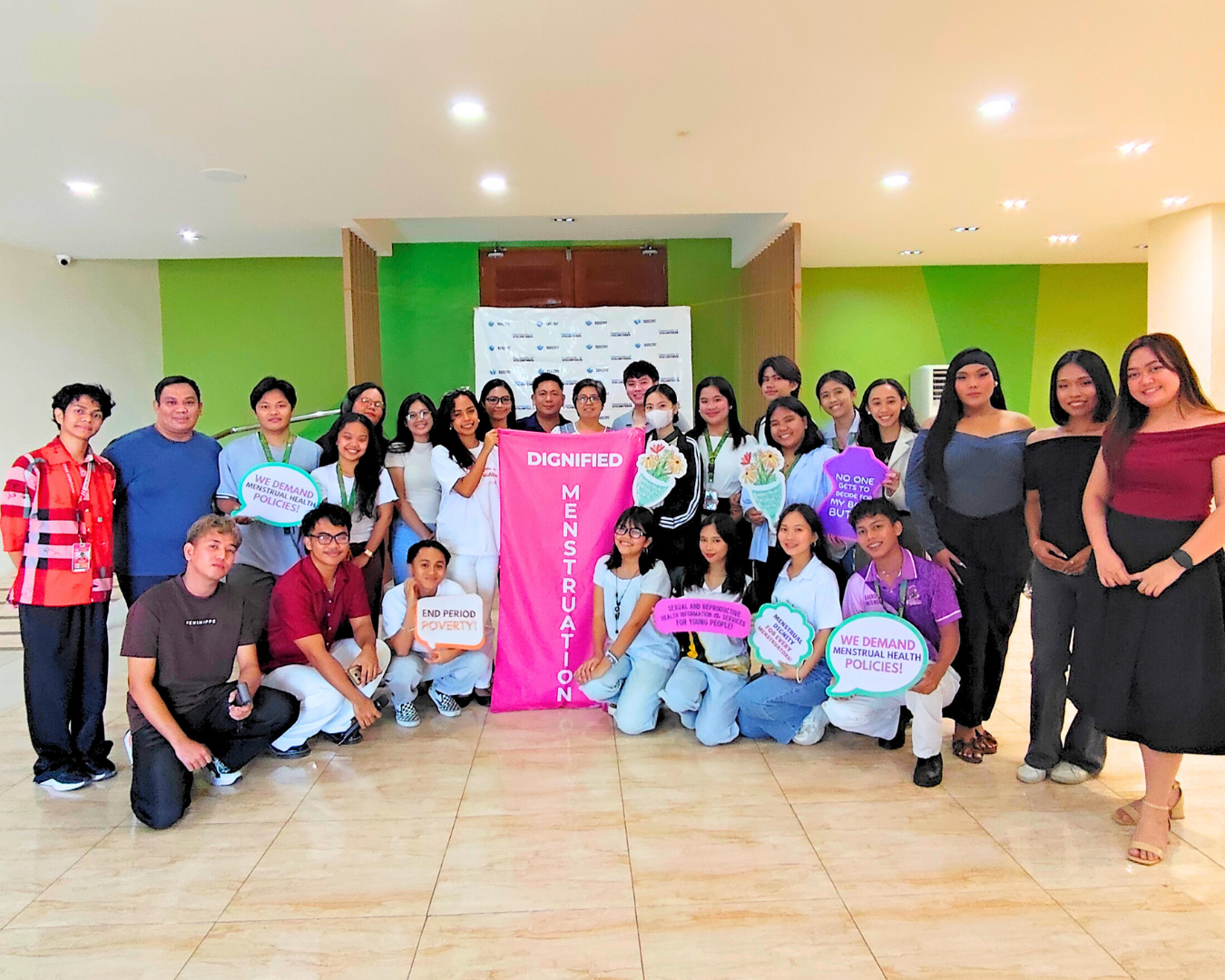
Wagayway Equality facilitated “Menstrual Health is Essential: WE Dialogue and Advocacy Workshop on SRHRJ and Menstrual Dignity” in Batangas City, bringing together young people, LGBTQIA + community members, community leaders, and allies. Participants explored sexual and reproductive health, rights, and justice (SRHRJ), shared personal experiences of menstruation, and reflected on the realities of menstrual health amid polycrisis. Through activities including Feelings, Challenges, and Support, the Tree of Support, and Red Letters, participants built solidarity, challenged stigma, and translated lived experiences into calls for more inclusive, rights-based policies and health systems. By engaging both menstruators and non-menstruators, the workshop reinforced menstrual health as a shared responsibility and an essential part of health, dignity, and rights.

Open campaign post
Campaign activity by Iligan Light and Love (ILAW) — Iligan City, Philippines

Iligan Light and Love (ILAW)

📍 Iligan City, Philippines

The ILAW Shared Community led Task Force Lily: A Women’ s Health Movement in Iligan City, bringing together young women, LGBTQIA + communities, health advocates, youth leaders, and allies to advance menstrual health, SRHR, and trans-inclusive healthcare. Through community assemblies, learning sessions, planning workshops, and dialogues with health institutions and local stakeholders, participants strengthened their knowledge, shared experiences, identified barriers to healthcare, and developed priorities for collective advocacy and policy engagement. The initiative culminated in the launch of Task Force Lily, establishing a continuing community movement advocating for accessible, humane, inclusive, and gender-responsive health services in Iligan City. The initiative demonstrates how community-led organising can turn shared experiences and concerns into sustained advocacy for more equitable health systems.

Open campaign post
Campaign activity by Ranao Women & Children Resource Center, Inc. (RWCRC) — Lanao del Norte, Philippines

Ranao Women & Children Resource Center, Inc. (RWCRC)

📍 Lanao del Norte, Philippines

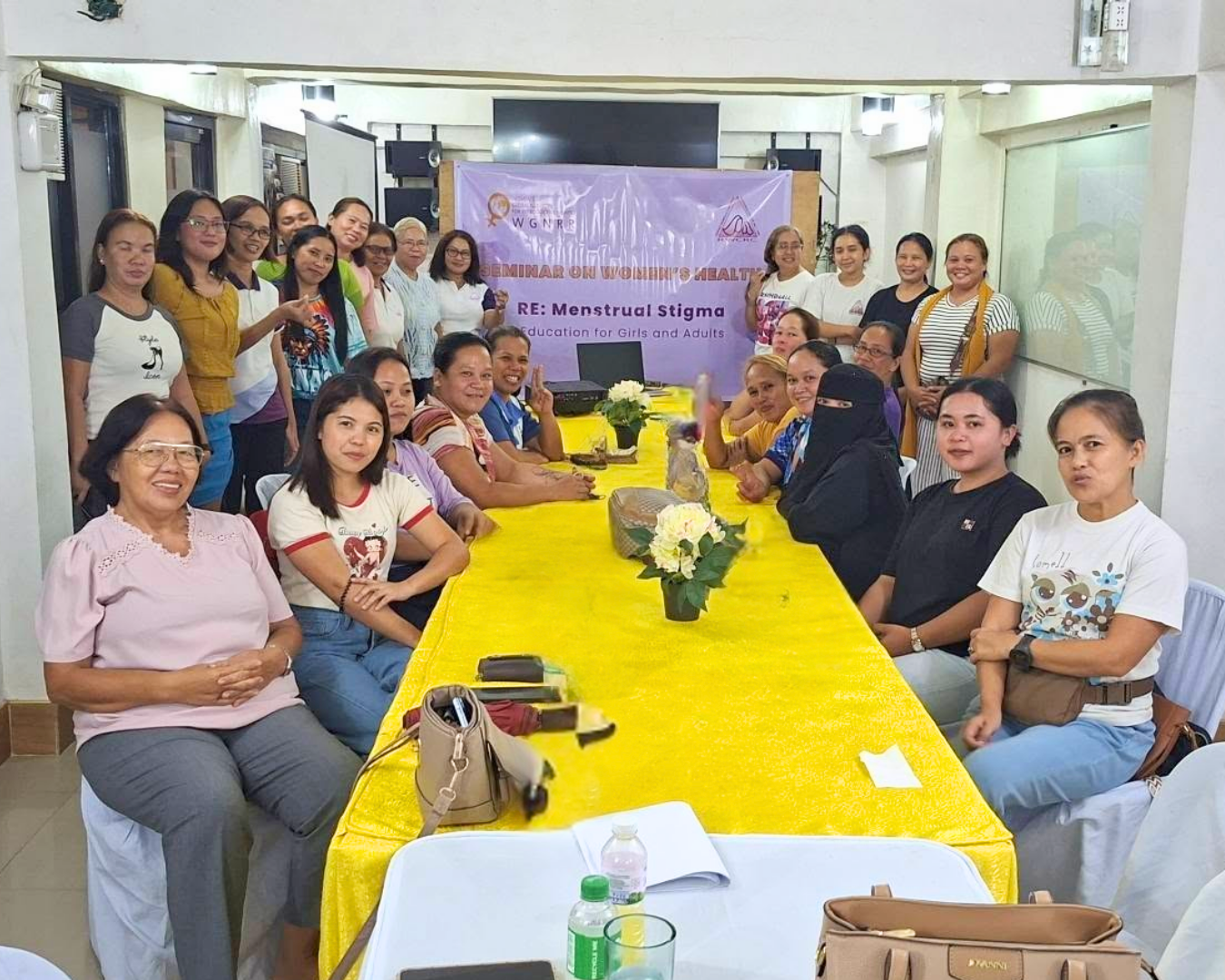
Ranao Women & Children Resource Center, Inc. (RWCRC) facilitated an intergenerational discussion in Lanao del Norte, bringing together girls, women, and community leaders from eight barangays in Linamon and Kauswagan. The session strengthened knowledge on menstrual health and hygiene while creating space to discuss menstrual stigma, dignity, and the challenges faced by women, children, and gender-diverse people amid polycrisis. Through intergenerational learning and dialogue, participants were encouraged to break the silence around menstruation and promote health, dignity, and rights within their communities. By equipping community leaders with knowledge and practical tools, RWCRC is supporting more informed, supportive, and inclusive approaches to menstrual health.

Open campaign post
Campaign activity by Youth for YOUth — Abra, Philippines

Youth for YOUth

📍 Abra, Philippines

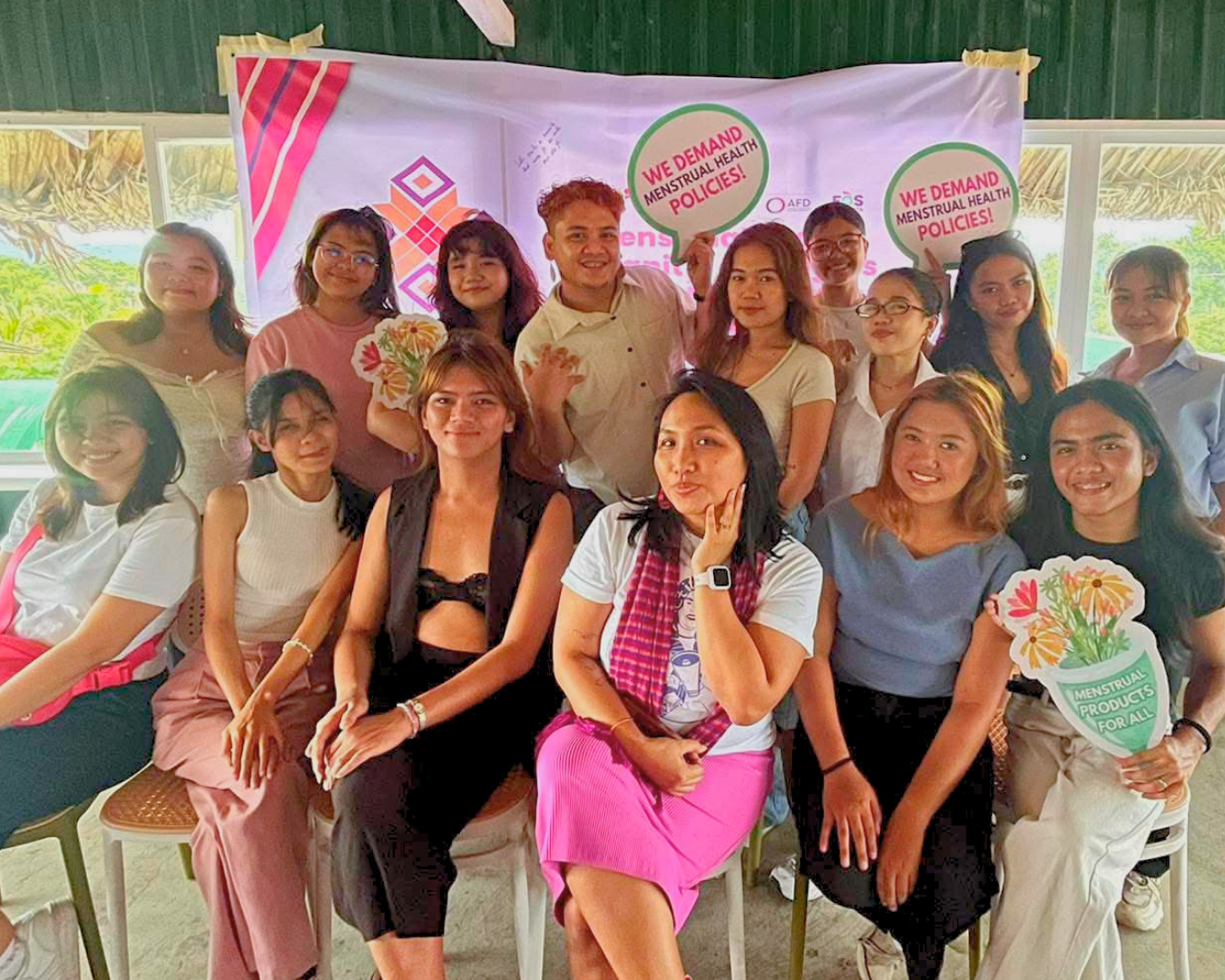
In Abra, Philippines, Youth for YOUth brought together young women, girls, and lesbian, bisexual, and queer (LBQ) individuals, including members of the Tingguian Indigenous community, through the Tinggiana Initiative: Menstrual Health, Dignity, and Rights (MHDR) Education and Creative Narratives. The workshop used dialogue and creative expression to create space for participants to reflect on their lived experiences and transform them into visual narratives that challenge menstrual stigma and affirm the right to dignity, respect, and accessible health information. The activity also connected community experiences with policy advocacy, culminating in a collective call for a Menstrual Health, Dignity, and Rights Policy in the Province of Abra. Through creative storytelling and collective advocacy, the initiative demonstrated how community voices can shape conversations and contribute to policy change on menstrual health and rights.

Open campaign post
Campaign activity by Youth for Reproductive Health Awareness (YouRHealth)

Youth for Reproductive Health Awareness (YouRHealth)

📍 Tagoloan, Misamis Oriental, Philippines

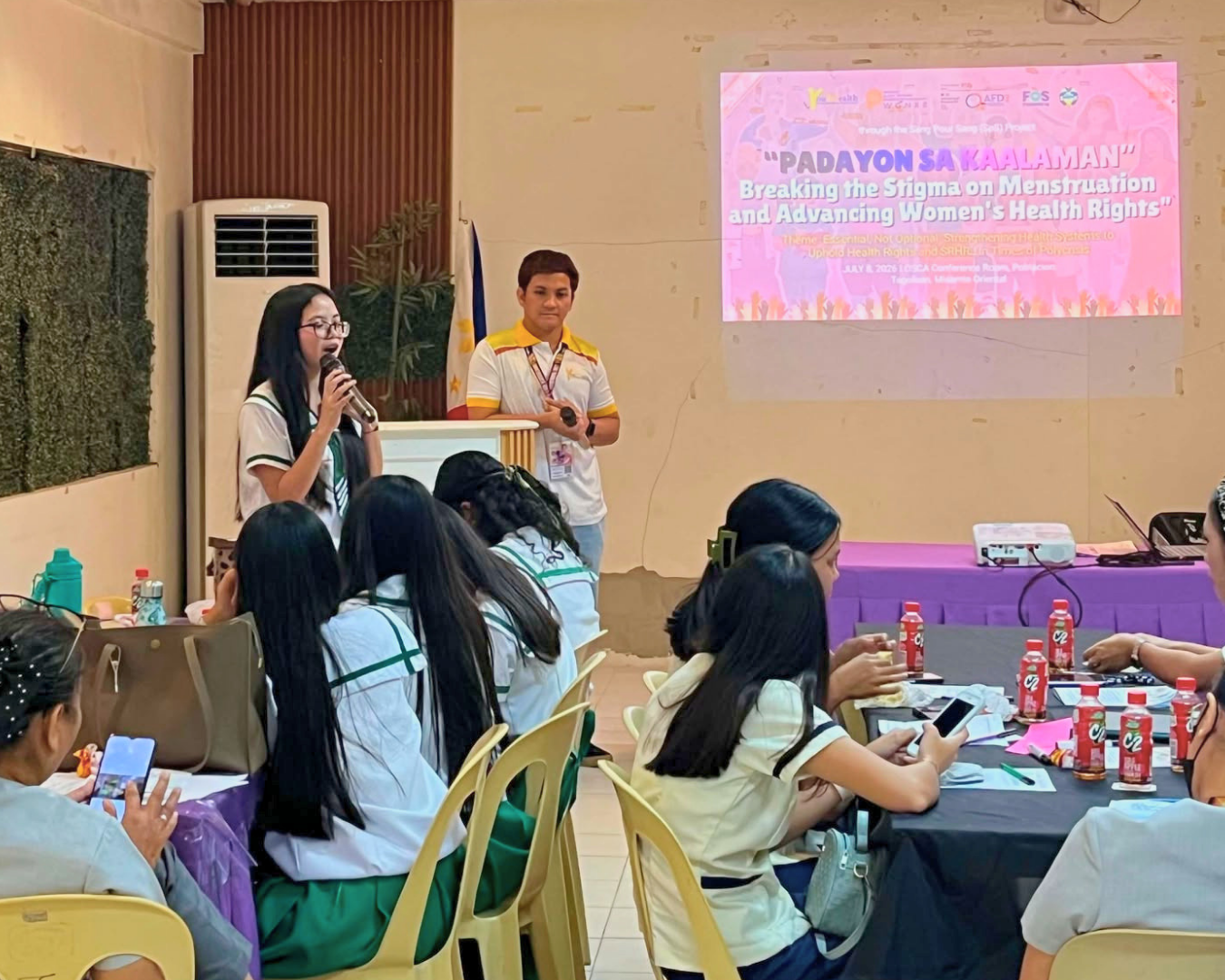
Youth for Reproductive Health Awareness engaged 30 adolescent girls and young women from six POPDEV Clubs through “Padayon sa Kaalaman” (Forward, with Knowledge): Breaking the Stigma on Menstruation and Advancing Women’s Health Rights. Learning sessions on women’s health, SRHR, and menstrual health were complemented by the safe-space dialogue “My Menstruation, My Story” and an “I Break the Stigma” Commitment Wall.
Open campaign post
02

Online activities

Virtual dialogues and learning spaces connecting movements across borders.

Campaign activity by Association des juristes engagés pour la promotion des droits humains et de l’environnement (AJEPDHE) - Bénin

Association des juristes engagés pour la promotion des droits humains et de l’environnement (AJEPDHE)

📍 Bénin

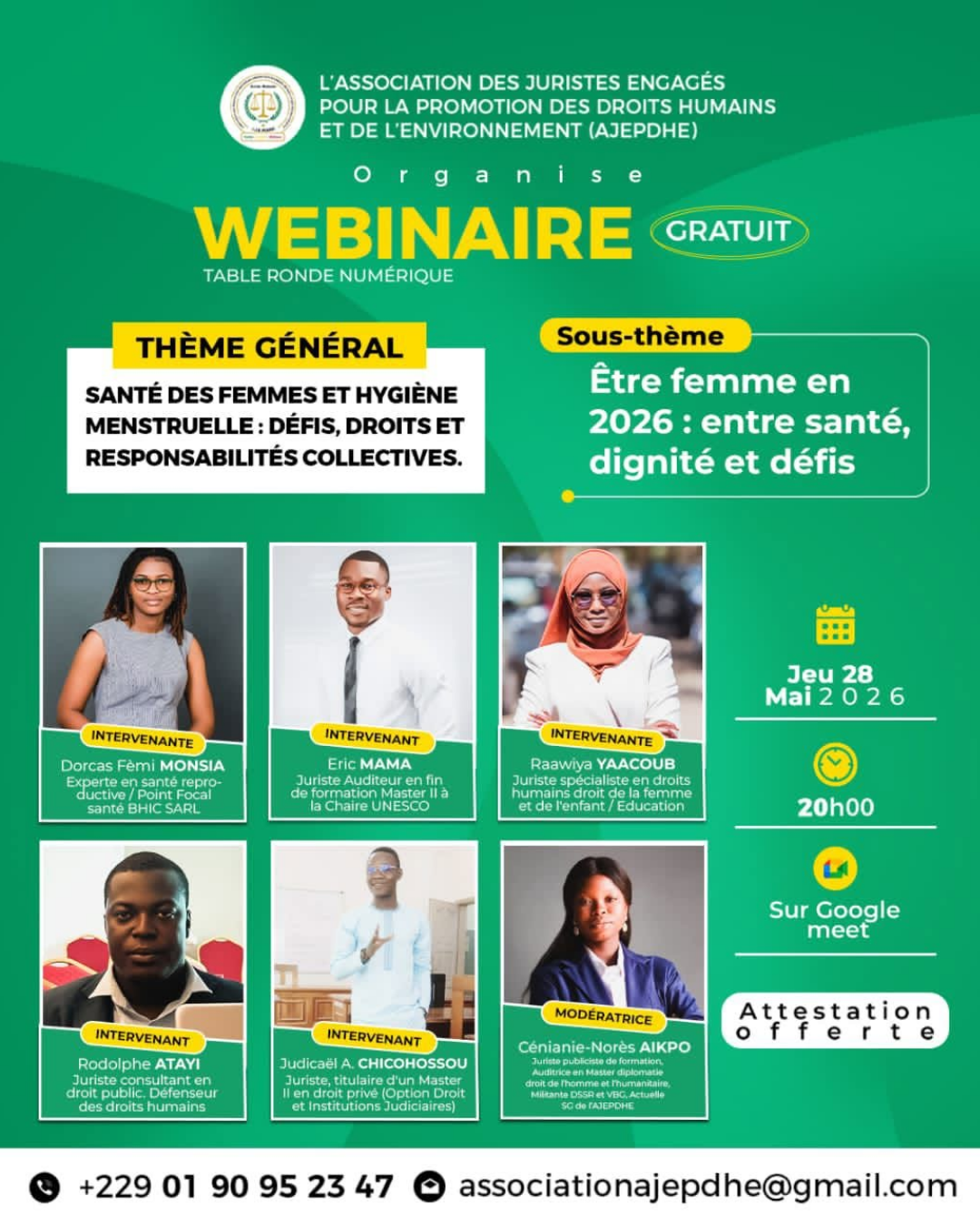
The Association des juristes engagés pour la promotion des droits humains et de l’ environnement (AJEPDHE) hosted a virtual roundtable on “Santé des femmes et hygiène menstruelle: défis, droits et responsabilités collectives” (Women’ s Health and Menstrual Hygiene: Challenges, Rights and Collective Responsibilities). The discussion provided a space for dialogue, and knowledge-sharing on women’ s rights in Benin and around the world, while exploring the challenges surrounding women’ s health and menstrual hygiene and the collective responsibilities needed to advance women’ s rights and well-being.

Open campaign post
Campaign activity by Latin American Consortium Against Unsafe Abortion (CLACAI) — Latin America and the Caribbean

Latin American Consortium Against Unsafe Abortion (CLACAI)

📍 Latin America and the Caribbean

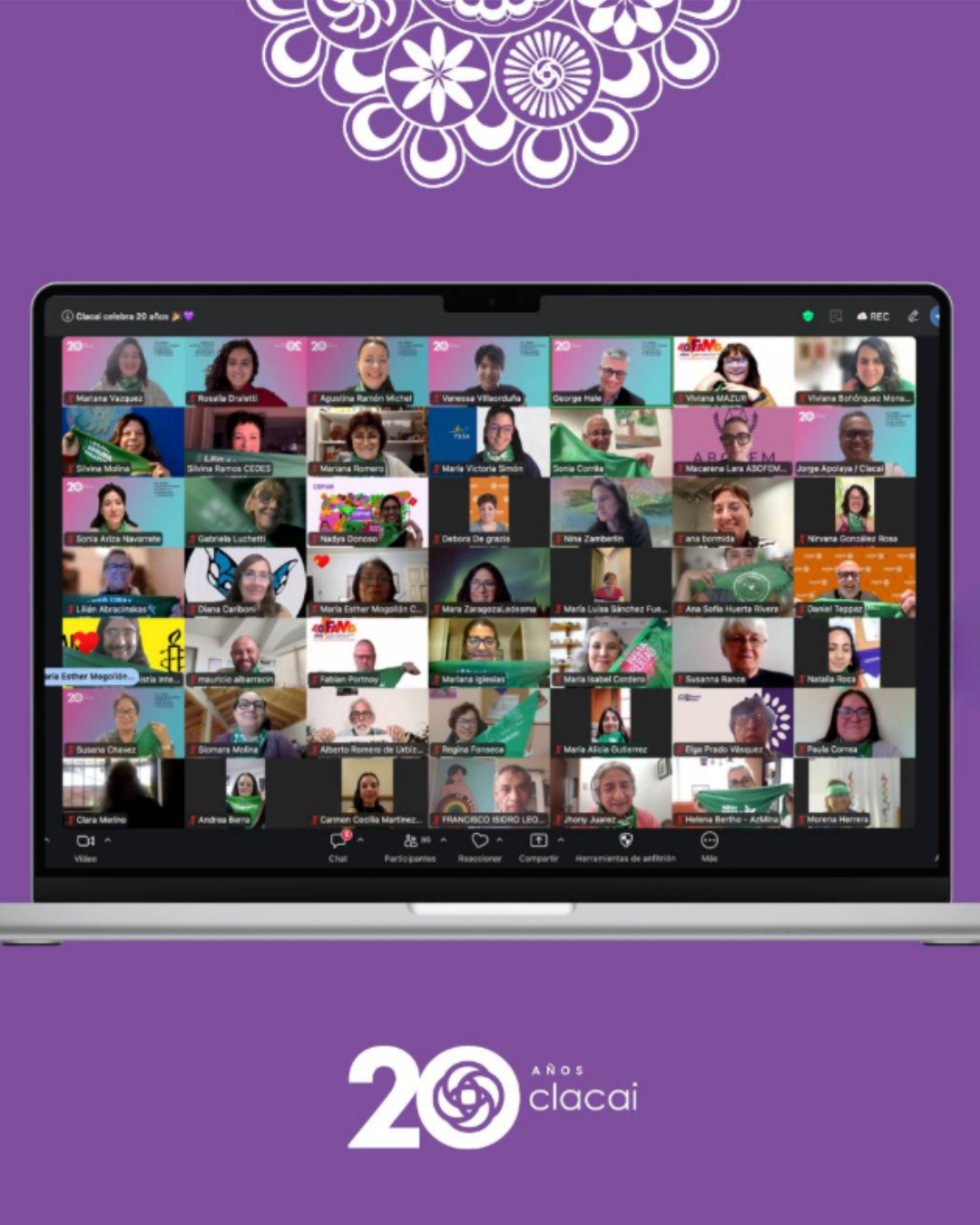
On May 28, the Latin American Consortium Against Unsafe Abortion (CLACAI) celebrated its 20th anniversary through a virtual gathering that honoured two decades of collective work for abortion rights across Latin America and the Caribbean. The celebration reflected on the journey shared with CLACAI’ s membership and reaffirmed its mission to unite efforts and advance strategies for universal access to legal, safe, and quality abortion across the region. As part of the anniversary, CLACAI also premiered a documentary featuring the voices of people and organisations who have been part of the Consortium’ s journey, highlighting the collective work and movement-building that have shaped its 20 years of advocacy.

Open campaign post
Campaign activity by Collège National des Gynécologues Obstétriciens du Bénin (CNGOB) — Bénin

Collège National des Gynécologues Obstétriciens du Bénin (CNGOB)

📍 Bénin

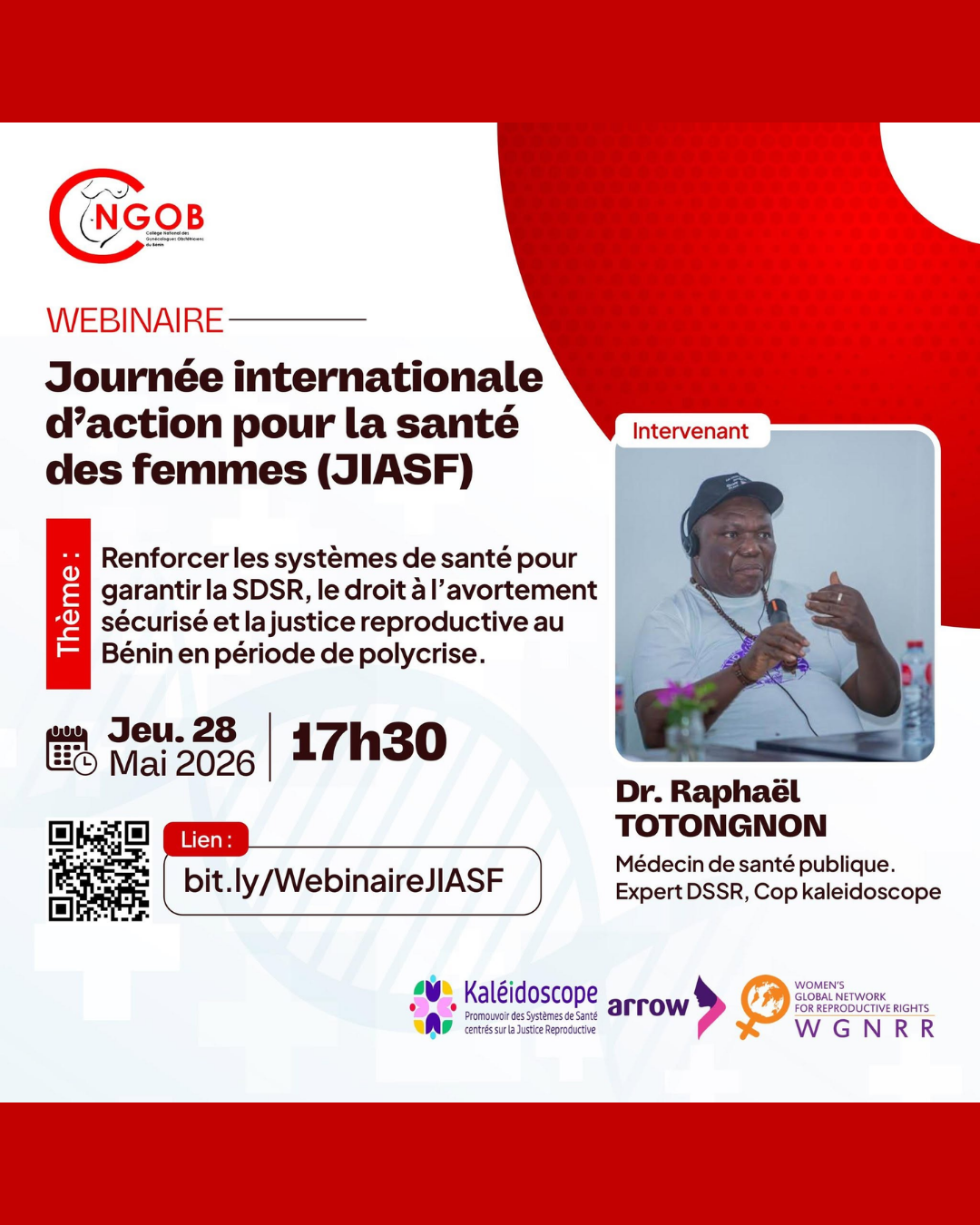
The Collège National des Gynécologues Obstétriciens du Bénin (CNGOB) convened a webinar on “Strengthening Health Systems to Guarantee SRHR, the Right to Safe Abortion, and Reproductive Justice in Benin in Times of Polycrisis” as part of the Kaleidoscope Initiative. The discussion, led by Dr. Raphaël Totongnon, public health physician, SRHR expert, and member of COP Kaléidoscope, explored the challenges facing women’ s sexual and reproductive health and rights amid intersecting health, social, and institutional crises. The webinar provided a space to reflect on the measures needed to strengthen health systems and ensure equitable, safe, and rights-respecting access to SRHR services and reproductive justice in Benin.

Open campaign post
Campaign activity by CommonHealth — India

CommonHealth

📍 India

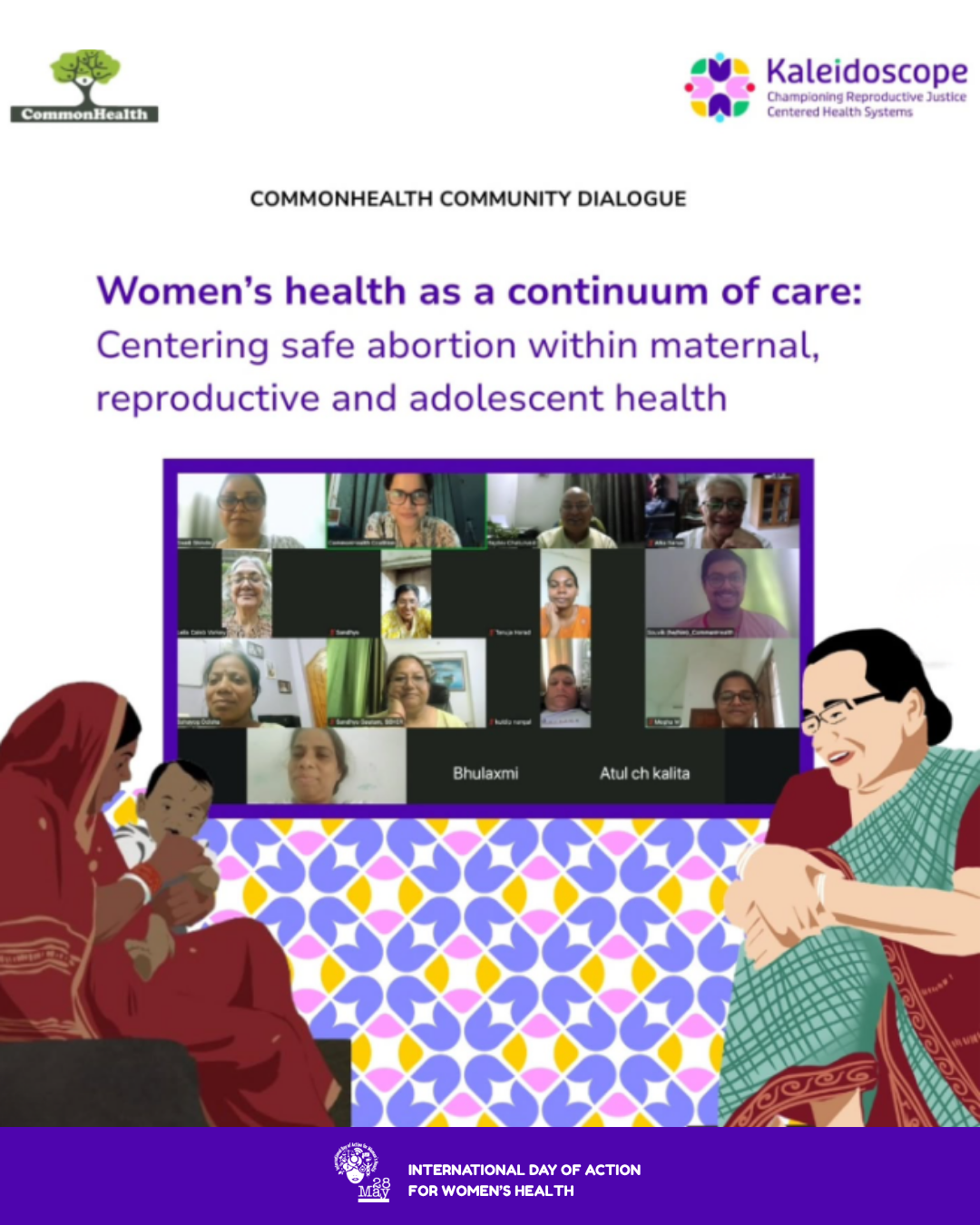
CommonHealth convened an online community dialogue on “Women’ s Health as a Continuum of Care: Centering Safe Abortion within Maternal, Reproductive and Adolescent Health,” this is part of the Kaleidoscope Initiative. Bringing together CommonHealth coalition members, the dialogue explored safe abortion as an integral component of women’ s healthcare and its interconnectedness with adolescent, maternal, and broader reproductive health. Participants shared community-led solutions and strategies for addressing barriers to sexual and reproductive healthcare and developed recommendations for how health systems and communities can work together to strengthen access to seamless, equitable, and responsive care across the continuum of sexual and reproductive health services.

Open campaign post
Campaign activity by Safe Abortion Advocacy Initiative – A Global South Engagement (SAIGE) and Kaleidoscope Initiative

Safe Abortion Advocacy Initiative – A Global South Engagement (SAIGE) and Kaleidoscope Initiative

📍 Global

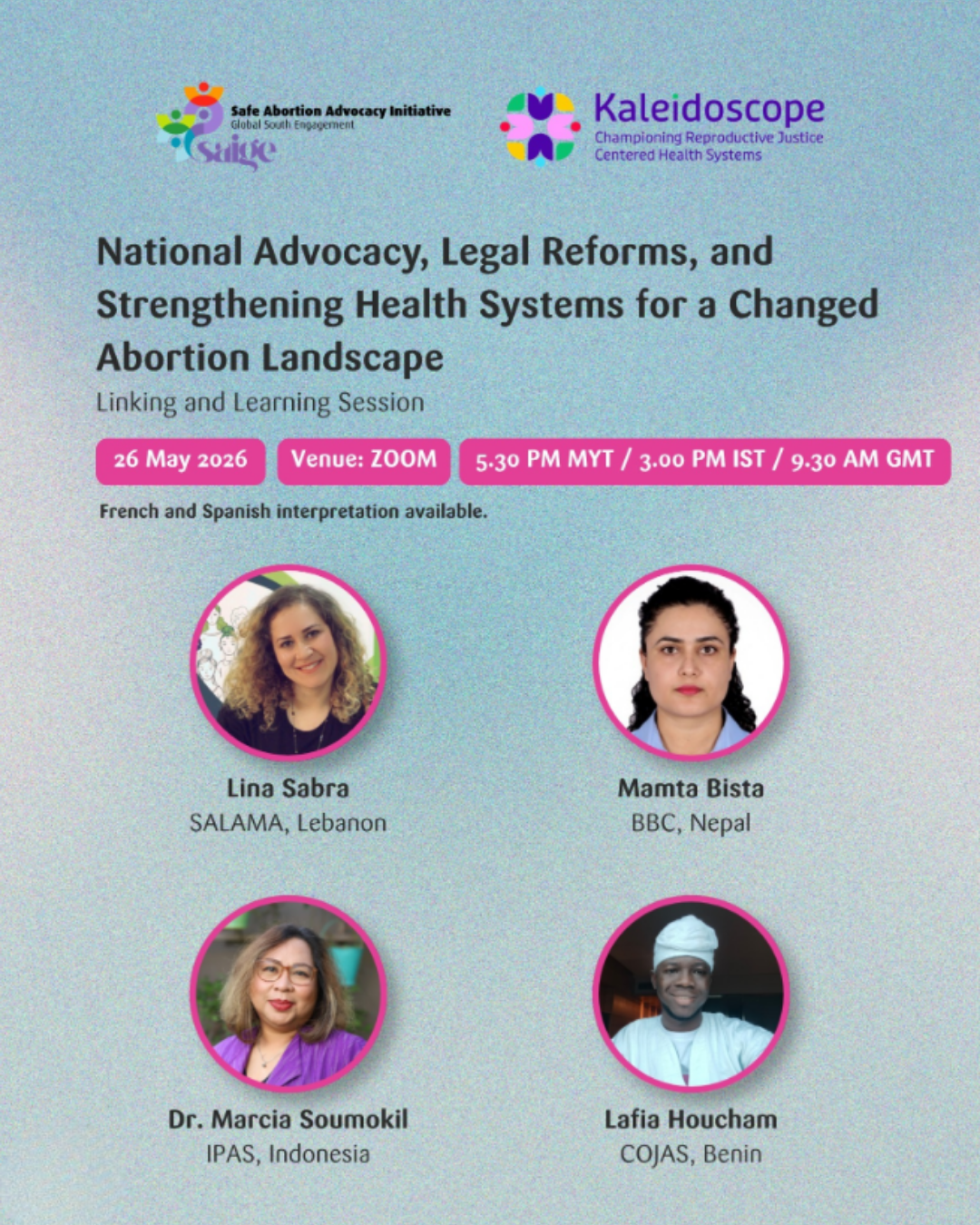
On May 26, SAIGE, in collaboration with Kaleidoscope Initiative, convened the linking and learning session “National Advocacy, Legal Reforms, and Strengthening Health Systems for a Changed Abortion Landscape.” The session provided a space for national-level safe abortion advocates and movement actors from across the Global South to exchange experiences on adapting advocacy strategies, strengthening alliances, and advancing legal and health systems reforms. Participants explored practical approaches to influencing national legal reform processes and reinforcing health systems to improve and sustain access to safe abortion in rapidly changing contexts.

Open campaign post
Campaign activity by Wealth is Within — United States

Wealth is Within

📍 United States

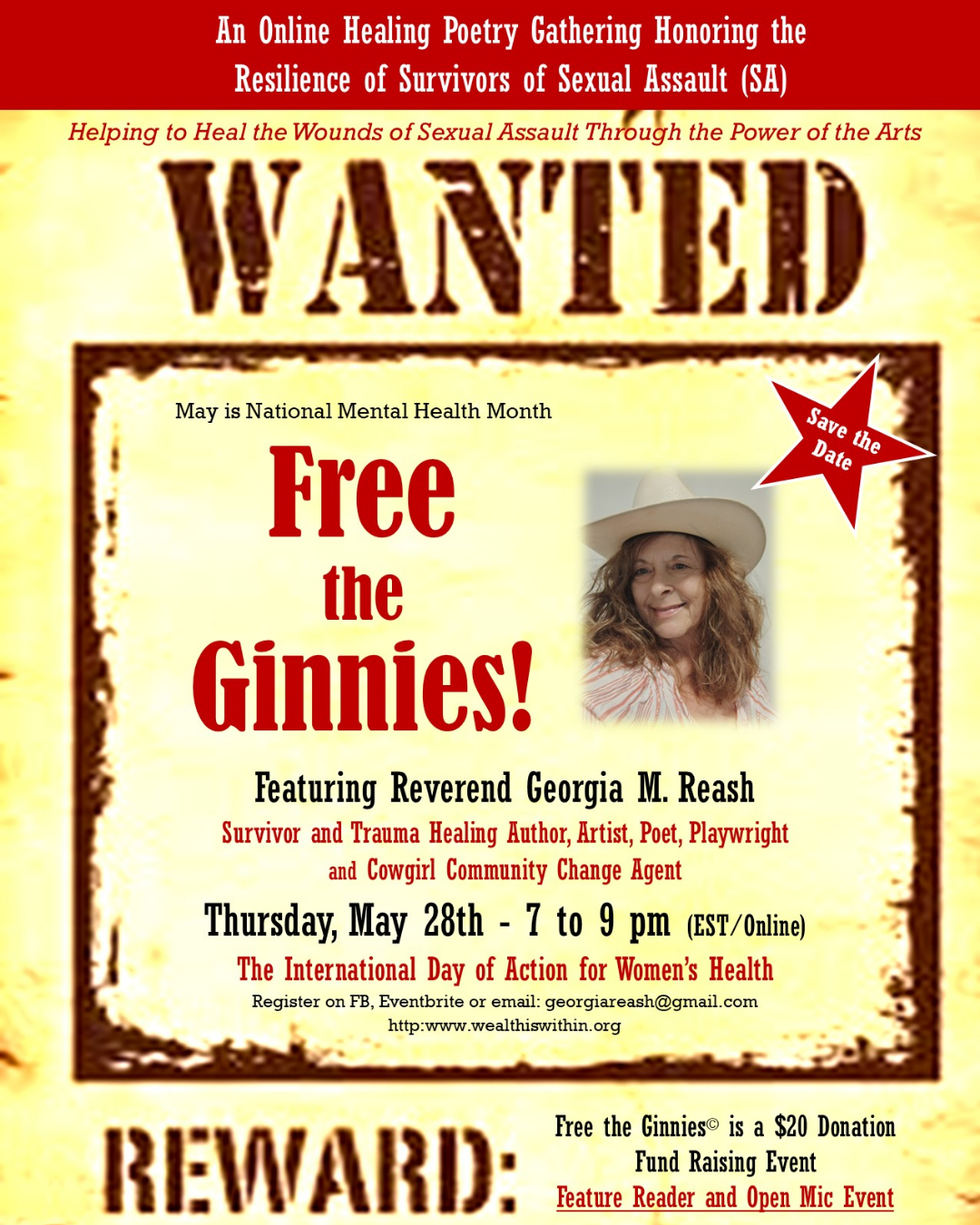
On May 28, Wealth is Within, with LEAD Vision LLC as co-convener, hosted “Free the Ginnies: Poetry and Spoken Word Gathering for Sexual Assault Survivors and the Organizations That Serve Them,” a healing poetry gathering centred on honoring, celebrating, and supporting survivors of sexual assault. The gathering featured a lead poet reading from her nonfiction work, followed by a community open mic where participants could share their own poetry and spoken word. By bringing together poetry, visual art, and collective expression, the gathering created a space for healing, encouragement, and connection while recognizing the role of creative spaces in supporting survivors and the organisations that serve them.

Campaign activity by Perkumpulan Samsara and Marsinah.id

Perkumpulan Samsara and Marsinah.id

📍 Indonesia

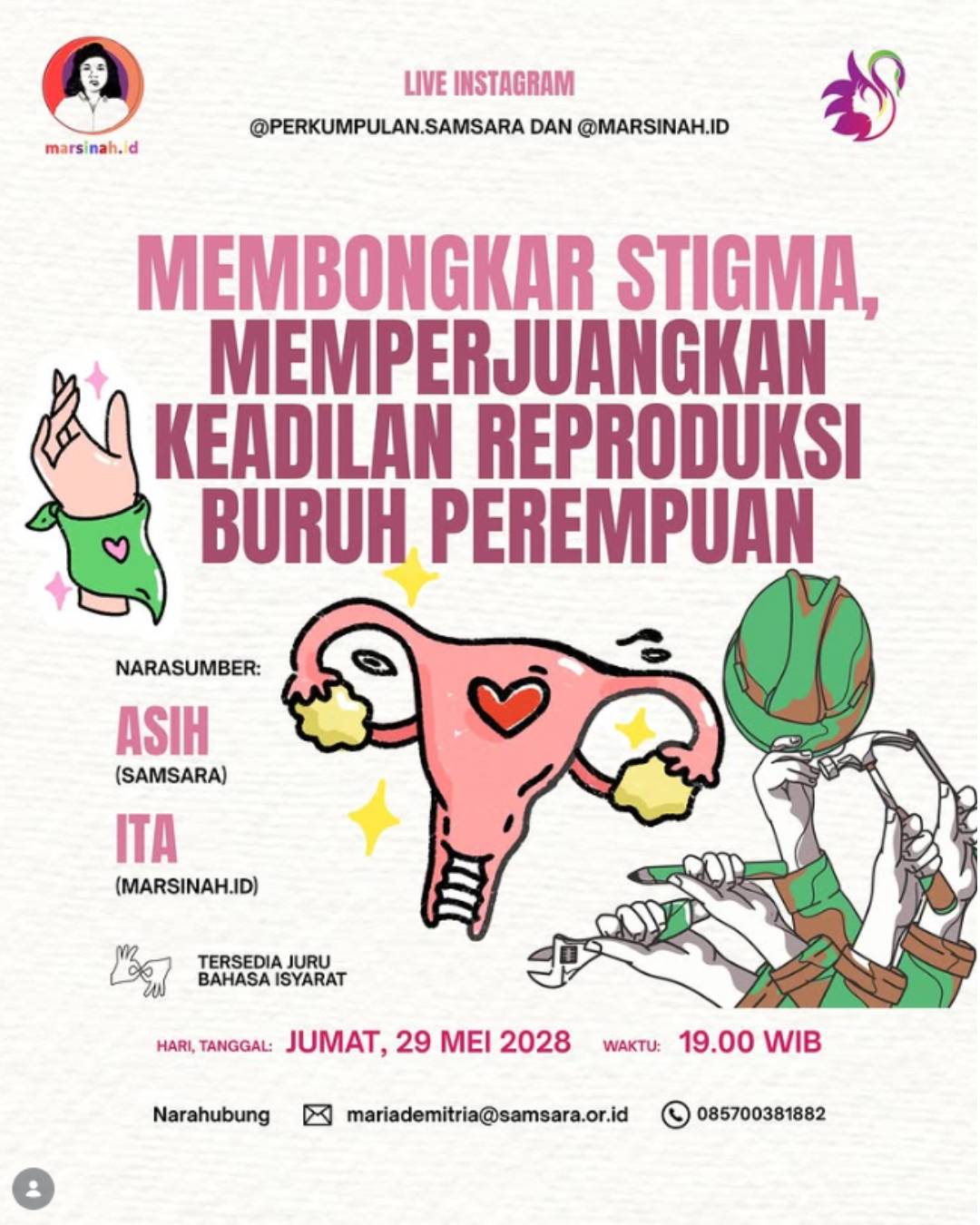
On May 29, Perkumpulan Samsara and Marsinah.id hosted the Instagram Live “Breaking the Stigma and Reclaiming Women Workers’ Rights to Safe Abortion,” exploring safe abortion access through the lens of women workers’ sexual and reproductive health and rights. The discussion challenged abortion stigma, affirmed bodily autonomy and healthcare rights, and examined structural barriers to safe, affordable, and accessible reproductive healthcare. Indonesian Sign Language interpretation was available throughout the session.

Open campaign post
03

Digital campaigns

Rights-based messages that challenge stigma, share accurate information, and invite collective action.

Campaign activity by Mano Vuelta A.C. — Mexico

Mano Vuelta A.C.

📍 Mexico

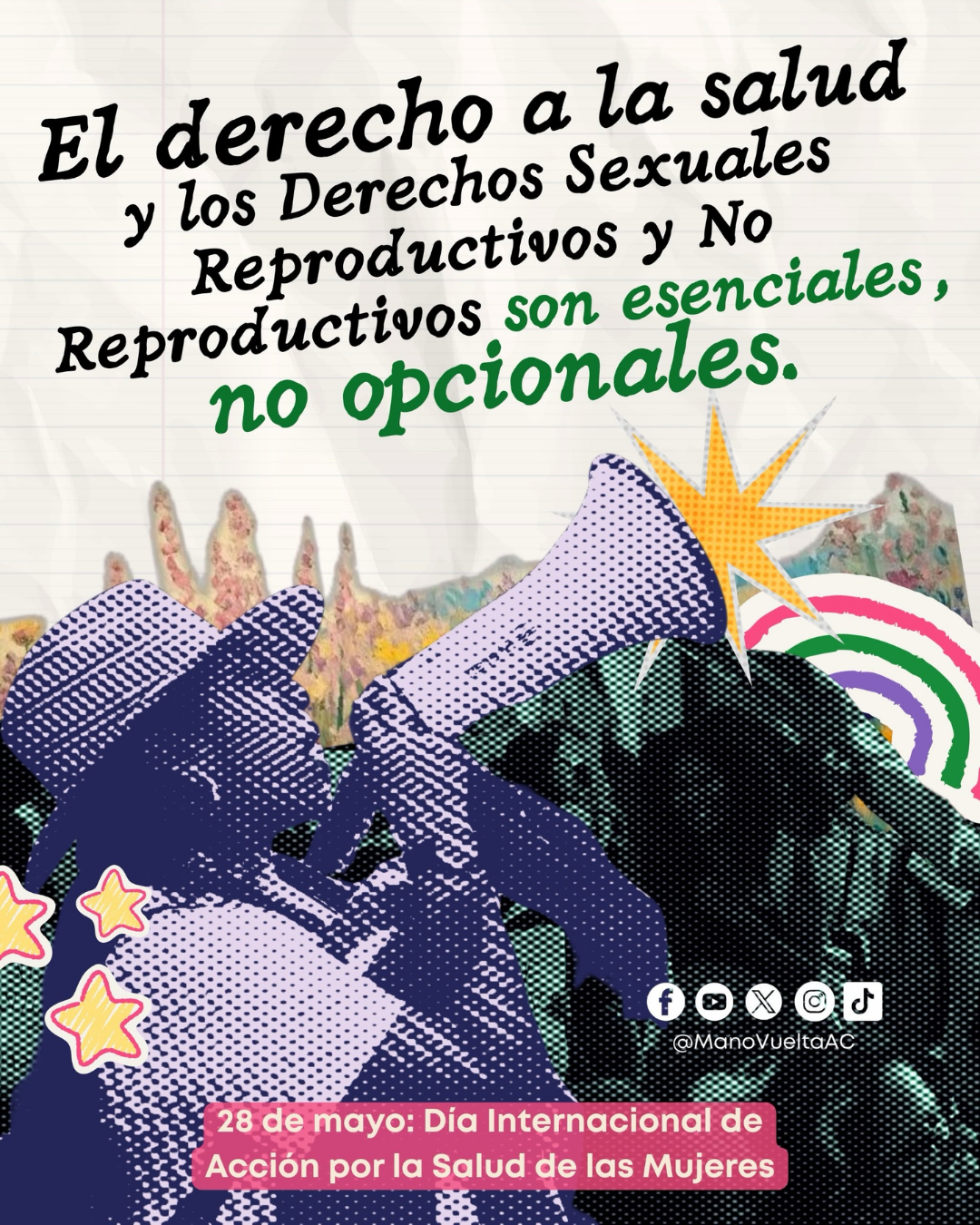
Through social media posts, Mano Vuelta A. C. highlighted that sexual, reproductive, and non-reproductive health services should be accessible to everyone, free from barriers, discrimination, coercion, violence, and stigma. The post underscored the importance of protecting these rights in times of polycrisis, when overlapping crises can deepen exclusion and inequality. By inviting audiences to reflect on what access to these rights looks like in their own territories, Mano Vuelta A. C. encouraged a broader conversation on equitable and rights-based healthcare.

Open campaign post
Campaign activity by Perkumpulan Samsara — Indonesia

Perkumpulan Samsara

📍 Indonesia

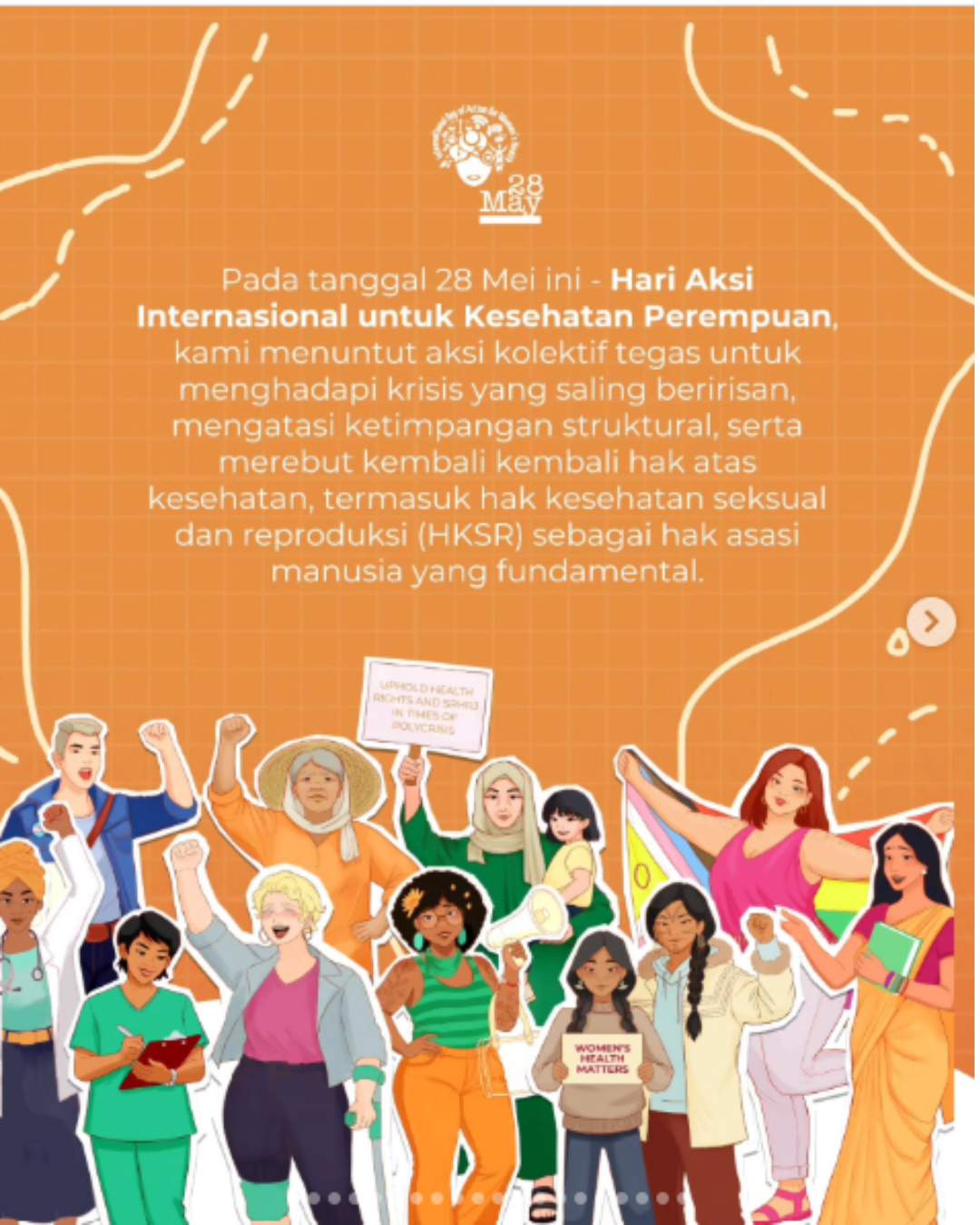
Perkumpulan Samsara shared localized May 28 campaign messaging in Bahasa Indonesia, emphasizing that health should remain a right accessible to everyone, including during times of crisis. Their post highlighted the importance of equitable, safe, and inclusive access to healthcare and sexual and reproductive health services (HKSR), while underscoring that no one should be pushed into poverty to access essential care.

Open campaign post
Campaign activity by Ipas LAC — Latin America and the Caribbean

Ipas LAC

📍 Latin America and the Caribbean

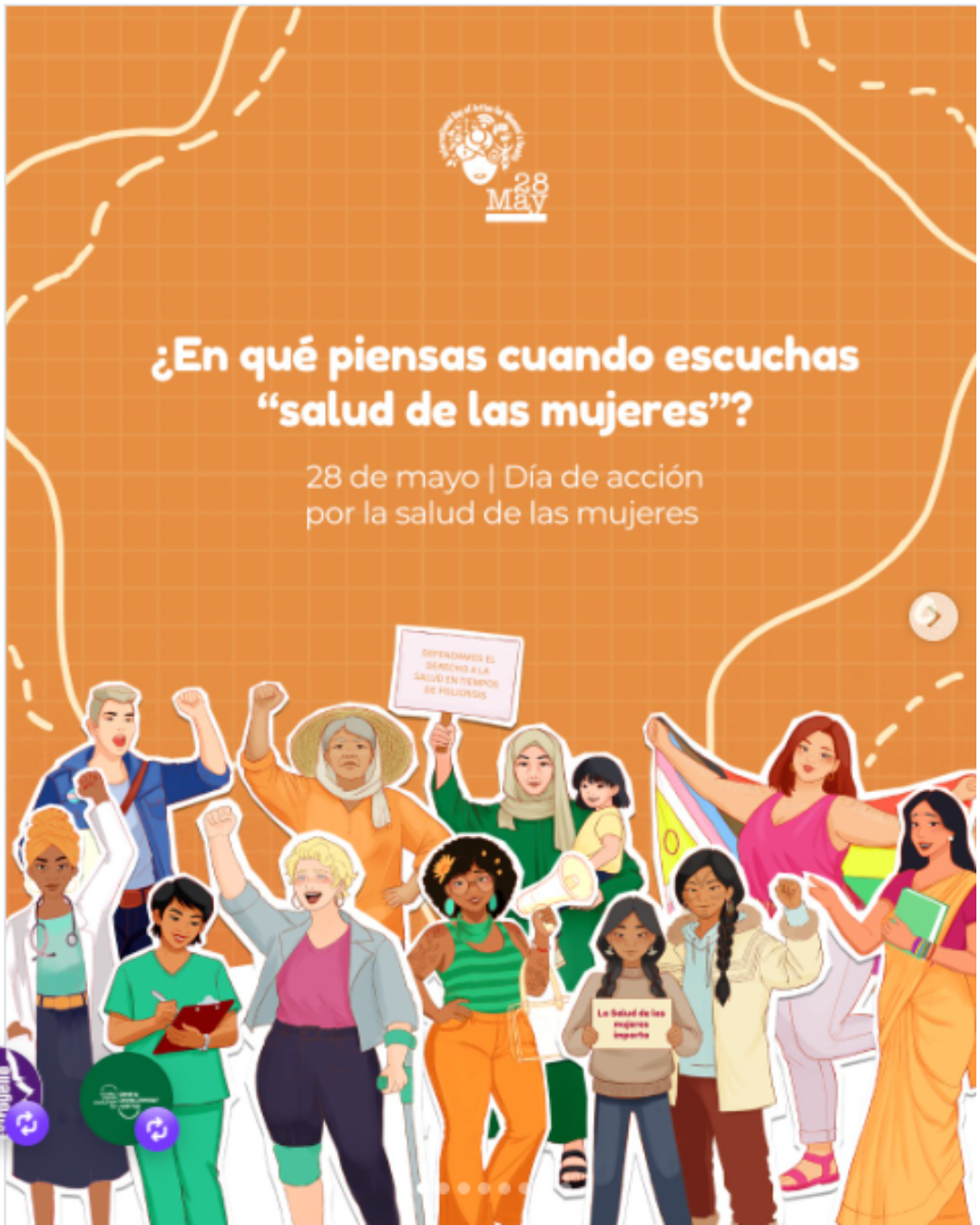
Ipas LAC shared Spanish-language May 28 messaging connecting women’ s health with access to reliable information, contraception, non-judgmental care, responses to sexual violence, safe abortion, accompaniment, and the freedom to make decisions about one’ s body. The post brought the campaign message into the everyday realities of health services, support networks, and communities across Latin America and the Caribbean.

Open campaign post
Campaign activity by Di RAMONA AC — Mexico

Di RAMONA AC

📍 Mexico

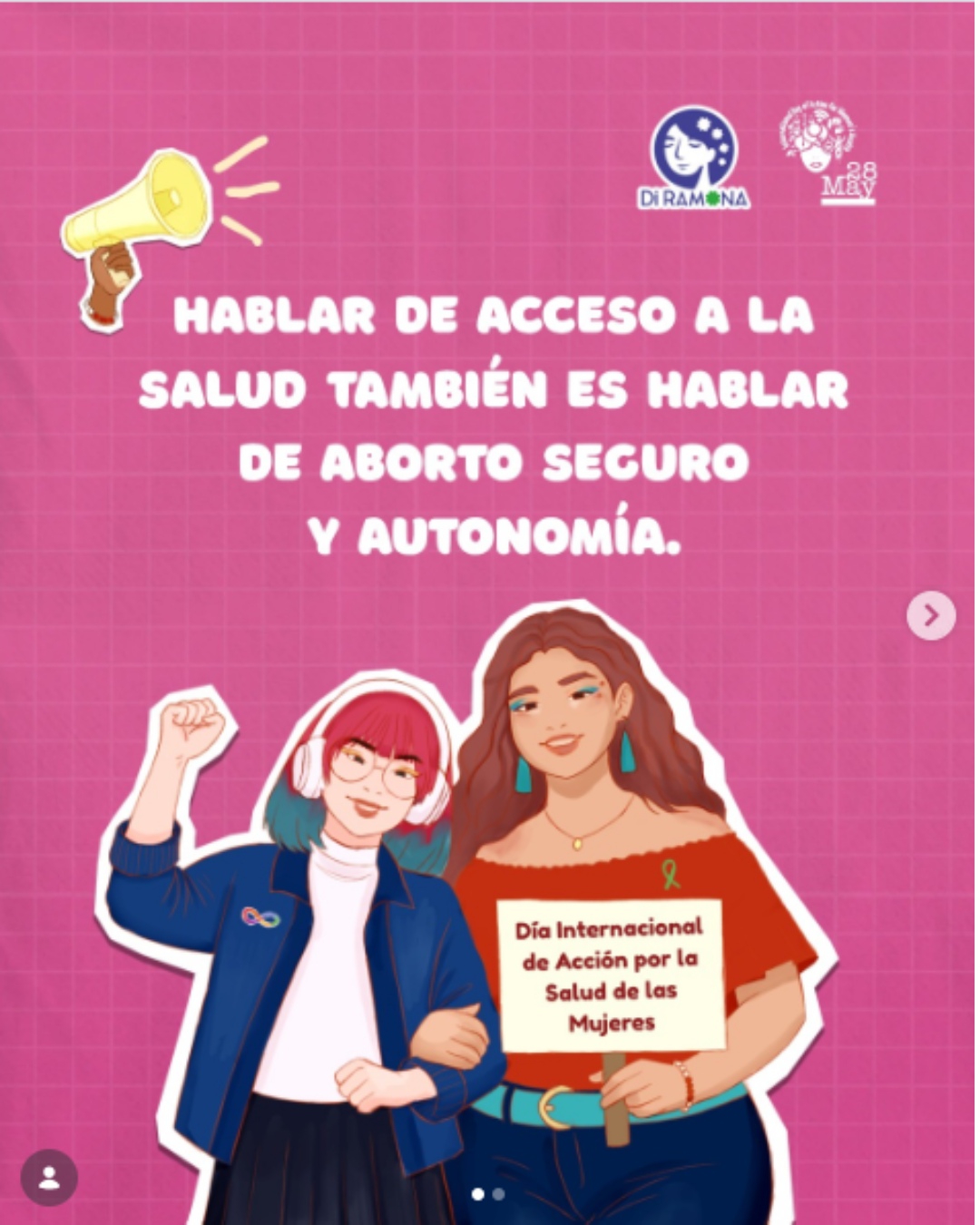
Di RAMONA AC shared a Spanish-language adaptation of the May 28 campaign under the message “Esencial, no opcional” (“Essential, not optional”). Their post emphasized that access to healthcare must include safe abortion and bodily autonomy, highlighting that no person should face barriers when making decisions about their own body.

Open campaign post
Women for Global Fund digital campaign

Women for Global Fund

📍 Global

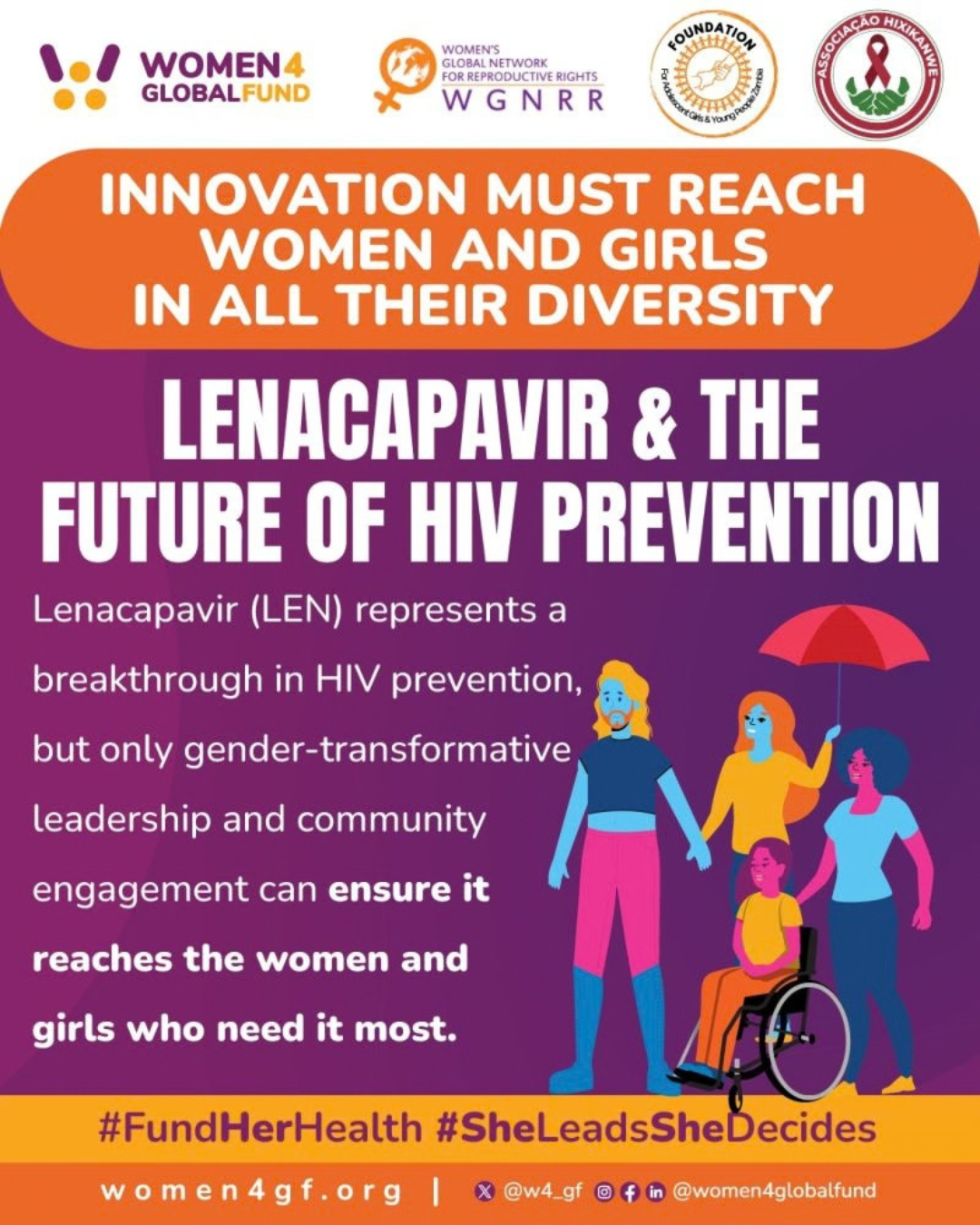
For the International Day of Action for Women’s Health, Women for Global Fund, in collaboration with WGNRR, Foundation for Adolescent Girls and Young People in Zambia, and Associação Hixikanwe, launched the digital campaign “Lenacapavir and the Future of HIV Prevention.” The campaign highlighted the potential of lenacapavir while emphasizing that health innovation must be accessible to women and girls in all their diversity through equitable, community-led, and person-centred approaches.

Open campaign post
04

Campaign videos

Stories and explainers that make health rights visible and accessible.

Campaign activity by Mano Vuelta A.C. — México

Mano Vuelta A.C.

📍 México

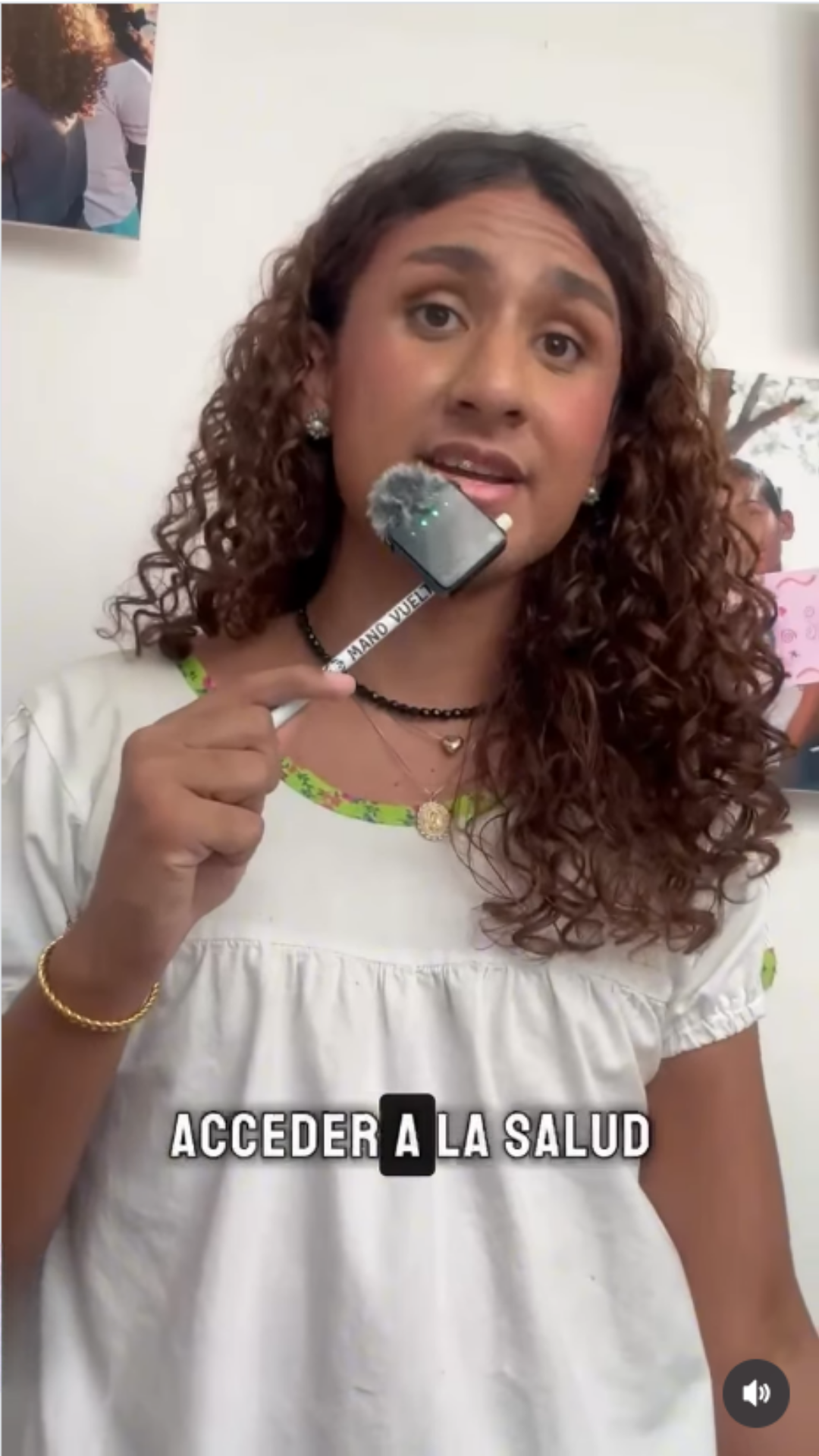
Mano Vuelta A. C. used a video or reel to highlight why women’ s health must remain a public priority, connecting sexual and reproductive health and rights with territorial justice, public investment, and sex-gender diversity. The video emphasized that the health needs and rights of girls, adolescents, and women cannot be pushed aside, particularly amid intersecting crises that deepen inequalities across communities. Through this message, Mano Vuelta A. C. reinforced the call to recognise women’ s health as essential, not optional.
Open campaign post
Campaign activity by Ipas Indonesia — Indonesia

Ipas Indonesia

📍 Indonesia

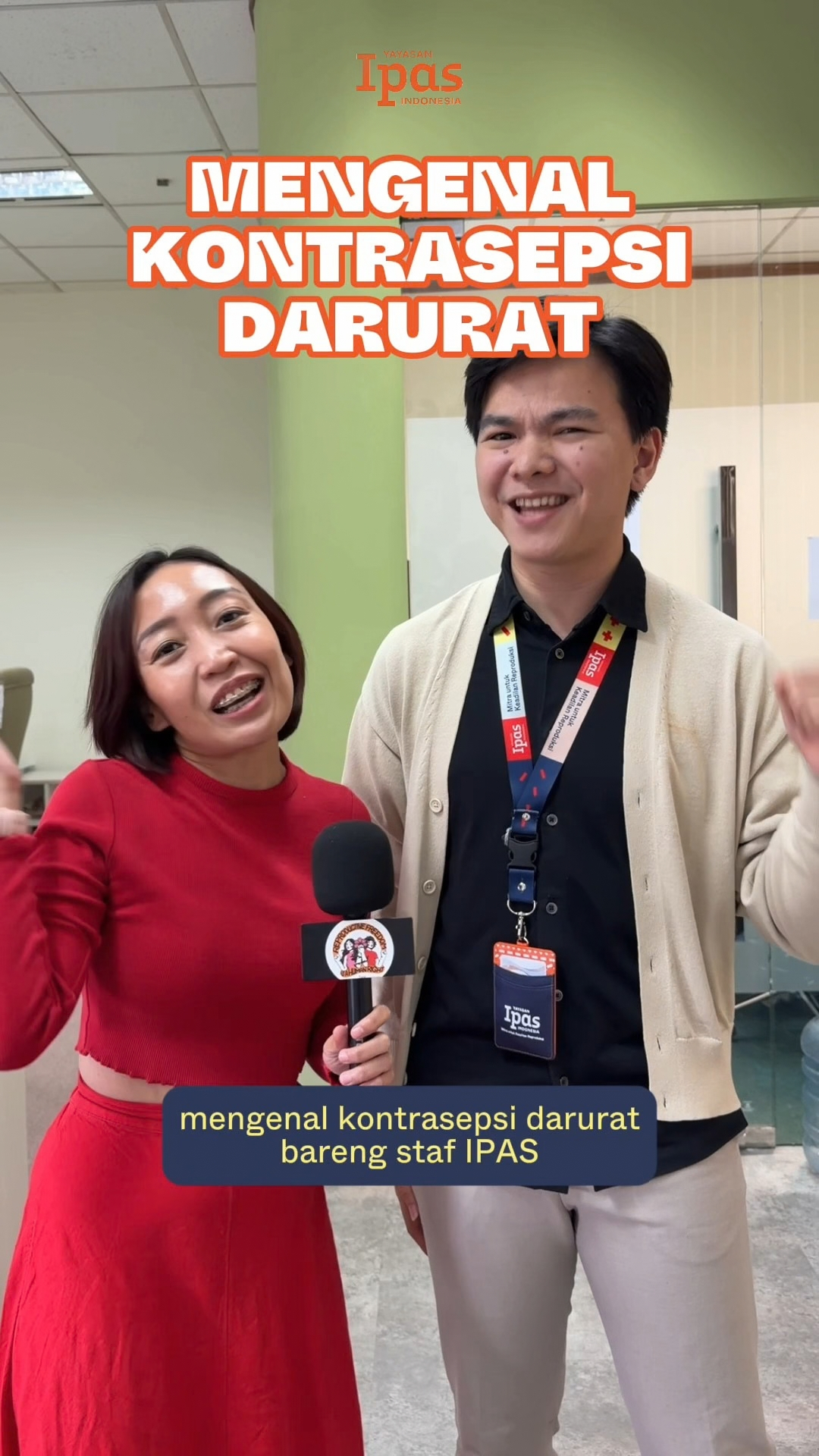
Ipas Indonesia shared an Instagram Reel, “Mengenal Kontrasepsi Darurat” (Understanding Emergency Contraception), addressing common misconceptions surrounding emergency contraception. The video clarified that emergency contraception is a pregnancy prevention option used after unprotected or risky sexual intercourse and is distinct from abortion or termination of pregnancy. By providing clear information on when emergency contraception is needed, how it works, and its limitations, the Reel highlighted the importance of accessible, accurate information in supporting informed sexual and reproductive health decisions.
Open campaign post
Campaign activity by CommonHealth — India

CommonHealth

📍 India

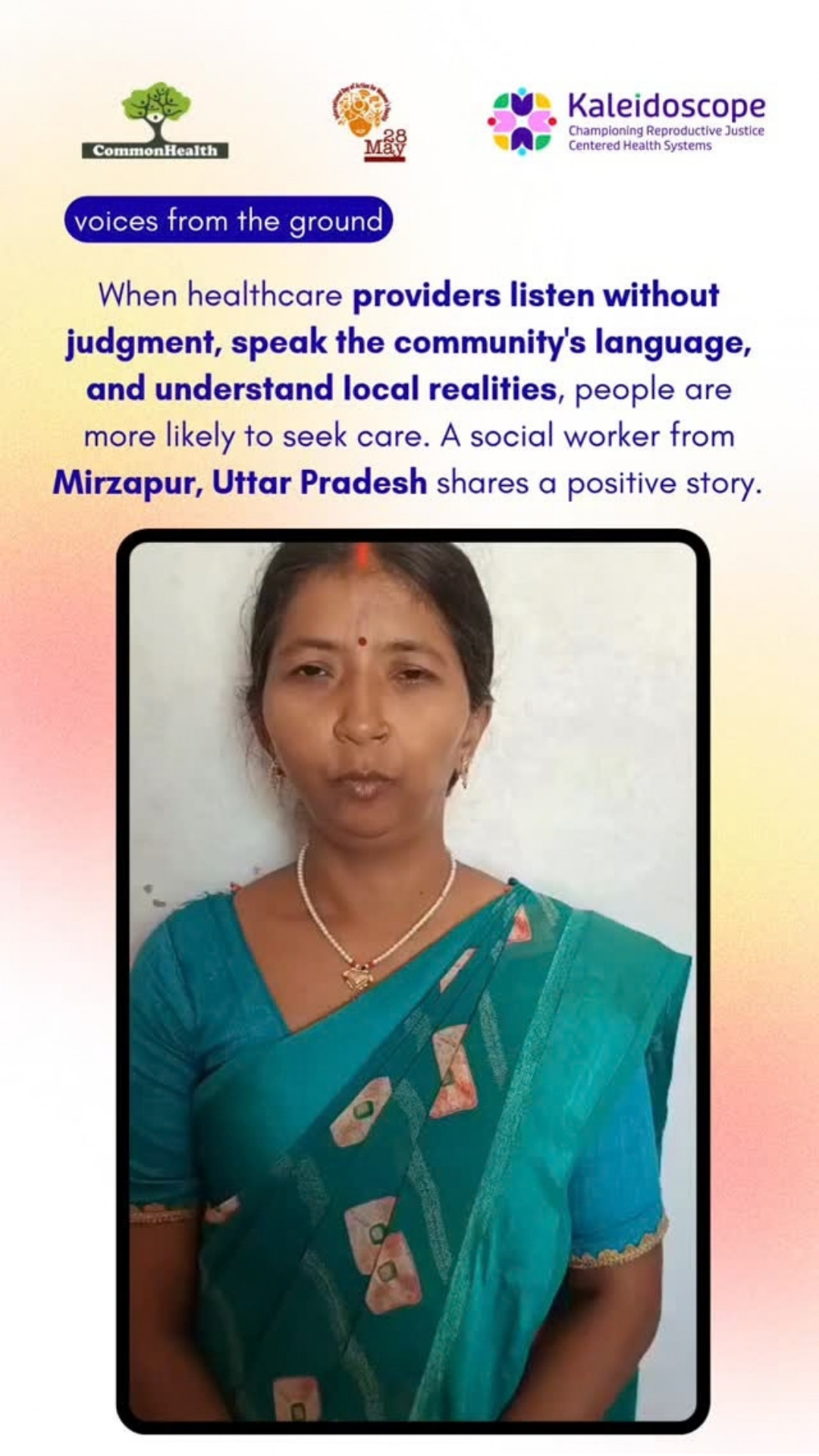
CommonHealth shared a “Voice on the Ground” video featuring Kiran, a social worker from Mirzapur, Uttar Pradesh, who shared a positive experience of how a doctor’ s compassionate and community-centred approach helped build trust in a local primary health centre (PHC). The testimony highlighted how listening without judgment, communicating in ways communities understand, and building relationships grounded in empathy and respect can encourage people, particularly women, to seek care and engage with public health services. The video reinforced that strengthening health systems is not only about infrastructure and resources, but also about creating care that people can trust and feel respected in.

Open campaign post
Campaign activity by Ipas Indonesia — Indonesia

Ipas Indonesia

📍 Indonesia

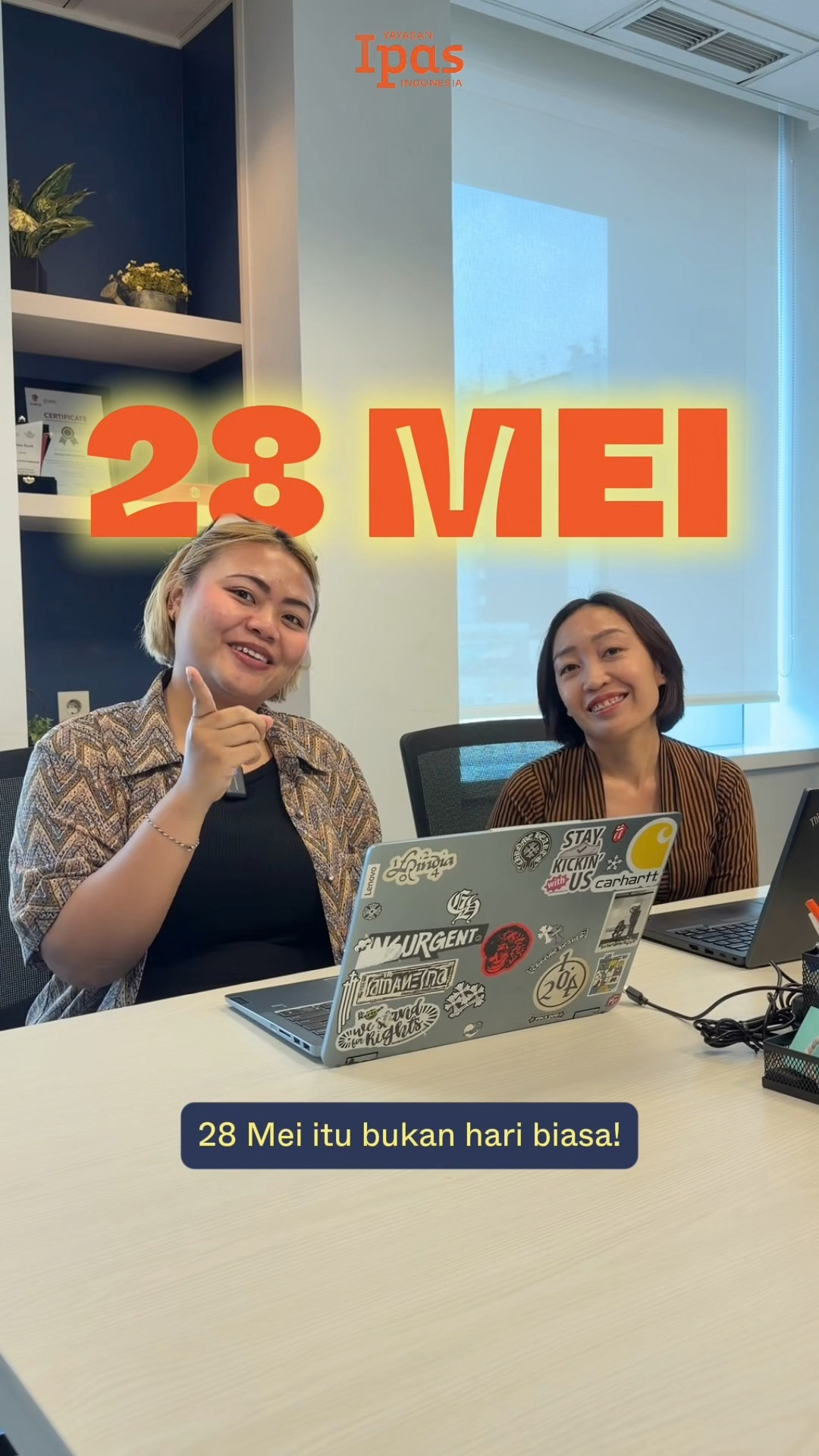
Ipas Indonesia shared an Instagram Reel, “28 Mei Bukan Hari Biasa” (28 May is Not Your Usual Day!), highlighting how women’ s health is shaped not only by access to healthcare but also by the systems, policies, and power relations that influence whose needs are prioritised. The Reel drew attention to how women from socially marginalised communities can face greater barriers through stigma, restrictive regulations, and health services that do not adequately respond to their needs. By framing women’ s health as both a health and rights issue, the video called for greater awareness of the structural inequalities that continue to shape people’ s ability to realise their health rights.

Open campaign post
05

Publications

Research, briefings and movement knowledge products for stronger advocacy.

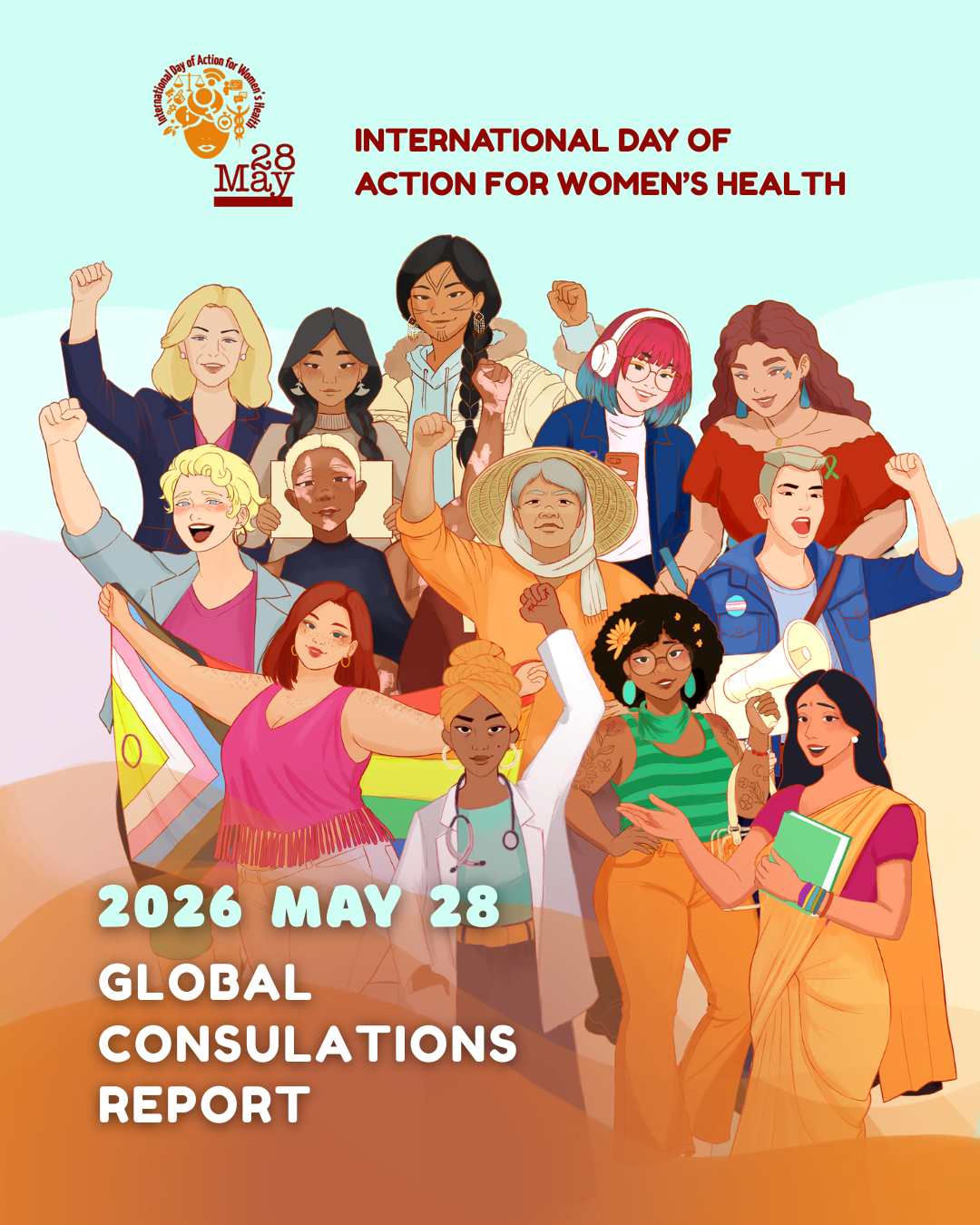
Cover of the 2026 May 28 Global Consultations Report

Women’s Global Network for Reproductive Rights

📍 Global

As part of the May 28 International Day of Action for Women’s Health, the Women’s Global Network for Reproductive Rights published Essential, Not Optional: Strengthening Health Systems to Uphold Health Rights and SRHRJ in Times of Polycrisis, consolidating findings from the 2026 May 28 Global Consultations held from April 21–23. Drawing on the perspectives of more than 100 organizations and rights advocates across four global regions, the report examines how intersecting political, economic, social, climate and environmental, food and nutrition, digital and mental health, conflict and geopolitical, and legal and governance crises are affecting health systems and access to SRHRJ. It brings together lived experiences, emerging concerns, and collective recommendations, highlighting the need for equitable, accessible, inclusive, and rights-based health systems.

Read the report
Campaign activity by Center for Reproductive Rights — Philippines

Center for Reproductive Rights

📍 Philippines

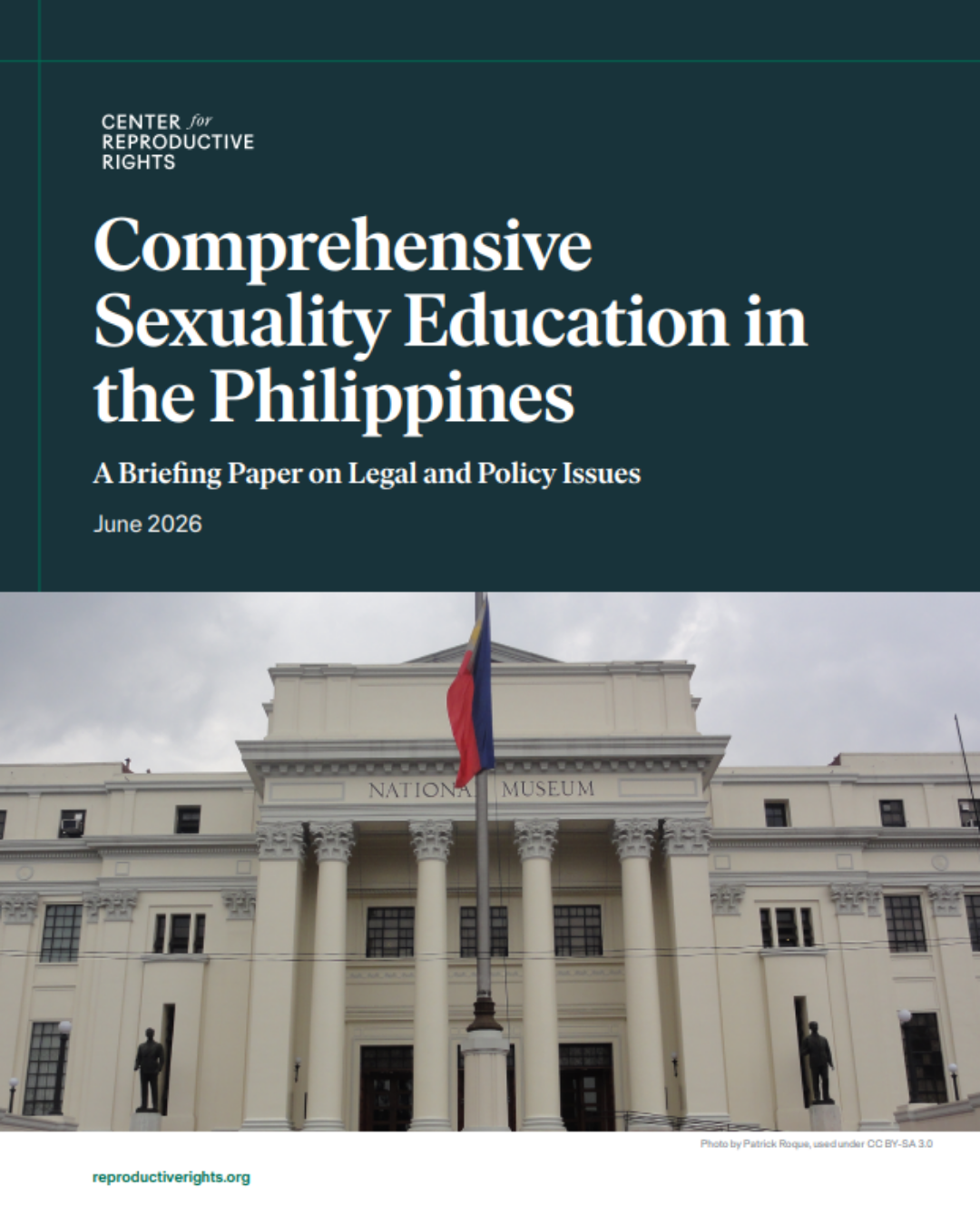
As part of the May 28 International Day of Action for Women’ s Health, the Center for Reproductive Rights (CRR) launched Comprehensive Sexuality Education in the Philippines: A Briefing Paper on Legal and Policy Issues, examining adolescents’ access to sexual and reproductive health and rights in the country. The brief traces the development of comprehensive sexuality education policy in the Philippines, highlighting persistent legal and policy barriers that prevent adolescents from accessing accurate information, making informed decisions about their health, and developing respectful relationships. Developed through the leadership and expertise of CRR’ s Asia Team, with contributions from Philippines-based consultant Liezl Z. Parajas and pro bono legal support from Romulo Mabanta Buenaventura Sayoc and de los Angeles, the publication also acknowledges the partnership of Catholics for Reproductive Health and Women’ s Global Network for Reproductive Rights (WGNRR) in advancing SRHR in the Philippines.

Open campaign post
Campaign activity by Health Without Fear — Latin America and the Caribbean

Health Without Fear

📍 Latin America and the Caribbean

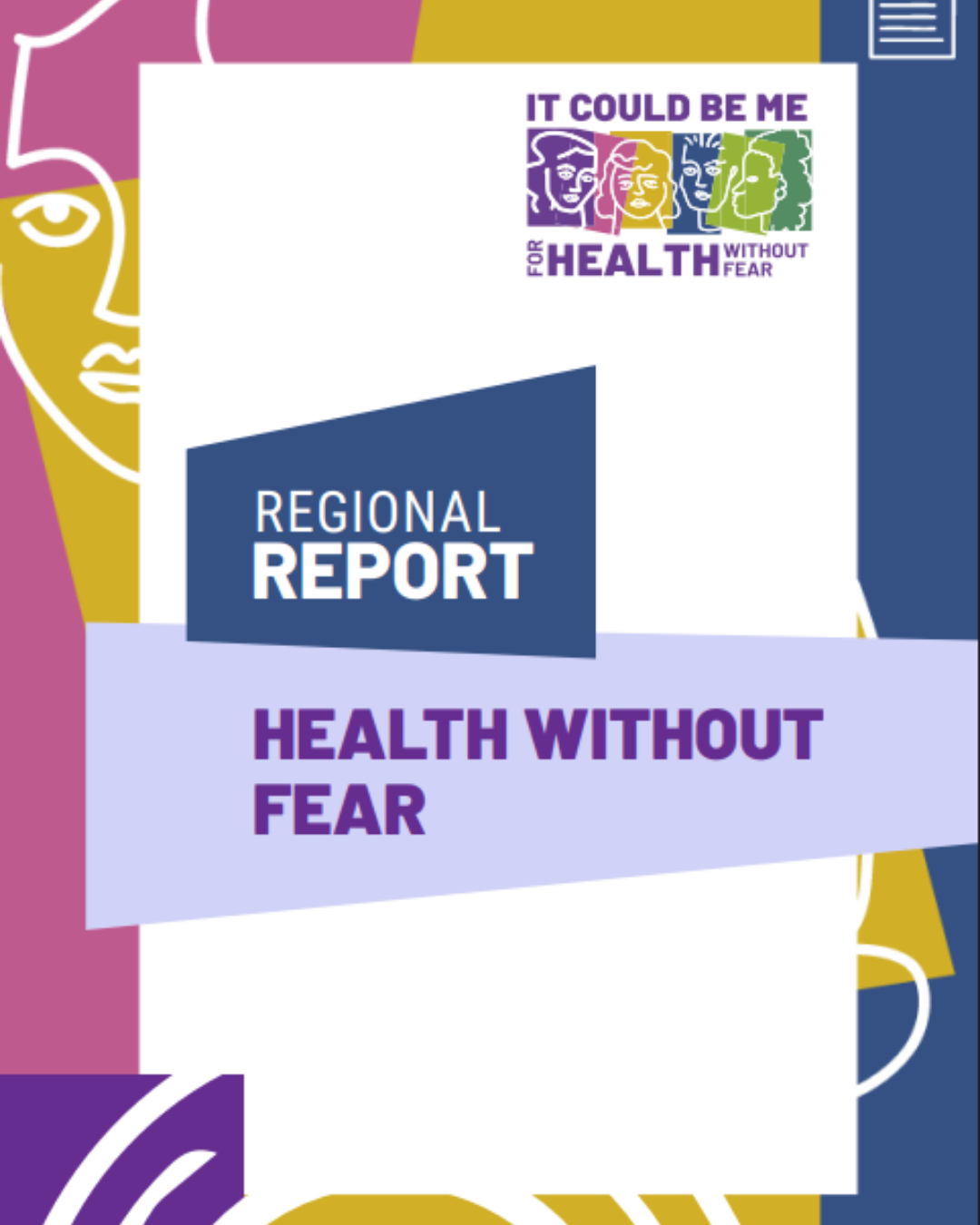
Health Without Fear published Latin America and the Caribbean Regional Report, a groundbreaking regional report revealing how the criminalisation of abortion operates in practice as a policy that results in human rights violations. Developed in collaboration with Anis (Brazil), Corporación Miles (Chile), Crisálidas (Guatemala), Proyecta Igualdad (Peru), CLADEM (Dominican Republic), and Mujer y Salud en Uruguay – MYSU (Uruguay), the report presents empirical evidence on how abortion criminalisation affects the lives, health, and dignity of women, girls, and adolescents. Through this collaborative effort, the organisations call for the decriminalisation of abortion and legal approaches grounded in human rights, strengthening the evidence base for abortion justice across Latin America and the Caribbean.

Open campaign post
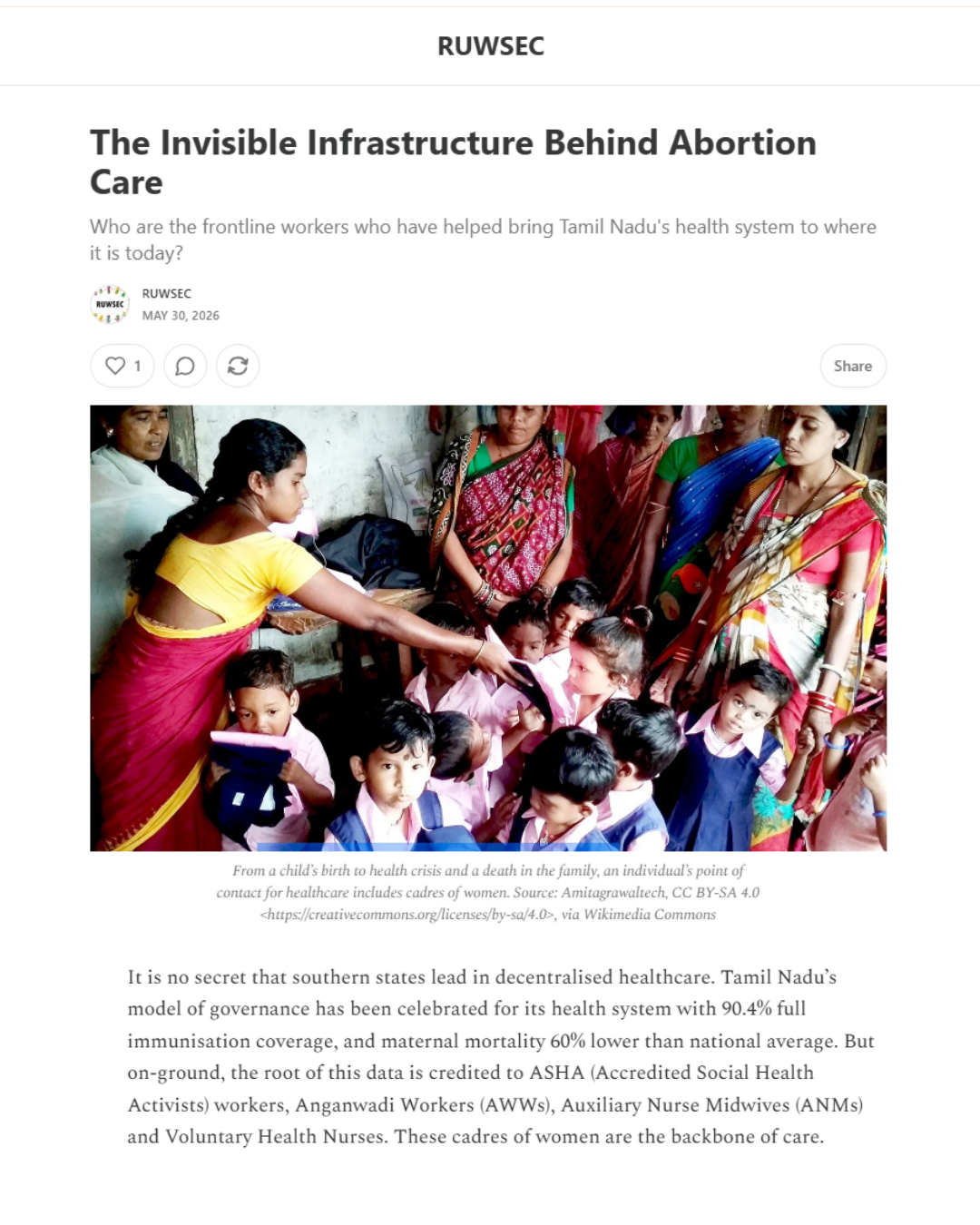
Campaign activity by Rural Women’s Social Education Centre (RUWSEC) — Tamil Nadu, India

Rural Women’s Social Education Centre (RUWSEC)

📍 Tamil Nadu, India

Rural Women’ s Social Education Centre (RUWSEC) published “The Invisible Infrastructure Behind Abortion Care” on Substack, highlighting the often-unrecognised role of frontline health workers in supporting access to sexual and reproductive healthcare in Tamil Nadu. The piece explores how Anganwadi Workers, ASHAs, ANMs, and Voluntary Health Nurses contribute to abortion care beyond the delivery of essential health services. Through a story from Chengalpattu, the publication shows how an Anganwadi Worker provided confidential counselling, accurate information, emotional support, and referrals that helped a woman access safe abortion care and contraception. The story underscores the importance of community-based support, confidentiality, and compassionate guidance in enabling informed reproductive health decisions and timely access to care.

Open campaign post

Built collectively.

This year, the International Day of Action for Women’s Health was amplified by dedicated campaign partners. We are proud to collaborate with organizations and movements advancing health rights and sexual and reproductive health, rights, and justice across regions.

ADEM Asociación por los derechos de las mujeres logo
Affasa logo
Alliance of Women Advocating for Change logo
Alliance For Choice logo
Asian-Pacific Resource and Research Centre for Women logo
Association Congolaise pour les Droits et la Santé logo
Association des Jeunes Ados et Femmes Dynamiques logo
Association des juristes engagés pour la promotion des droits humains et de l'environnement AJEPDHE logo
Association pour la Protection de la Vie et Santé des Adolescentes/ Jeunes Filles logo
ASTRA Network logo
Azad Foundation India logo
Beyond Beijing Committee (BBC) Nepal logo
BrightSpot Communities LLC logo
Caring Hearts (CAHE) logo
Católicas por el Derecho a Decidir México logo
Center for Reproductive Rights logo
Centre for Social Policy Develoment logo
Centre for Youth and Children's Affairs logo
CLACAI logo
Coalition des Organisations de Jeunes pour l’Avortement Sécurisé (COJAS Bénin) logo
COLLEGE NATIONAL DES GYNECOLOGUES OBSTETRICIENS DU BENIN (CNGOB) logo
CommonHealth logo
Di RAMONA AC logo
Enlighten Girls Foundation logo
Femfuture Collective logo
FEMNET logo
Fos Feminista logo
Generation Initiative for Women and Youth Network (GIWYN) logo
Global Interfaith Network logo
Health and Education for development (Hefde) logo
Hilar Talentos AC logo
Hope 4 Young Girls Tanzania logo
ILAW SHARED COMMUNITY logo
Inroads logo
International Campaign to Abolish Nuclear Weapons (ICAN) logo
IPAS Indonesia logo
Ipas LAC logo
Kisumu Medical & Education Trust-KMET KENYA logo
La Mesa por la Vida y la Salud de las Mujeres logo
Life Lifters Kenya logo
MAMA Network logo
Metsa Foundation logo
Medecins du Monde logo
National Rural Women Coalition logo
Network For Safeguarding Women’s Health and Rights logo
Okoa New Generation logo
Our Children Assistance Program in Development logo
OUR VOICES AGAINST HARRASSMENT- OVAH logo
Peer Advocates for Sexual Health Awareness logo
Perkumpulan.Samsara logo
Pinoy Plus logo
PINSAN logo
Reproductive Health Network Kenya logo
Réseau National des Enfants du Bénin / Association Nationale des Conseils d'Enfants du Bénin (RNEB-ANACEB) logo
RUWSEC logo
SAHAJ logo
Sauti ya Wanawake Ukerewe (SAWAU) logo
Shining Destinee Development of Tanzania logo
Stand to end rape logo
Talented youth community fellowship Uganda logo
TARSHI logo
The YP Foundation logo
TICAH logo
Trans Arrivals Kenya logo
Visible Impact logo
Viva Futura - AbortionData logo
We Testify logo
West Africa Youth And Children's Advocacy Network (WAYCAN) logo
Women And Youth Movement (WOYOMO) logo
Women Human Rights Defenders International Coalition logo
Women's Global Network for Reproductive Rights logo
Women's Global Network for Reproductive Rights - Africa logo
Women on Web logo
Women with Disabilities Leap to Social and Economic Progress (WOWLEAP) Inc logo
Women's Initiatives for Gender Justice logo
Women's Rehabilitation Centre (WOREC) logo
Women4GlobalFund logo
YoSHAN logo
Young Activist Network for Abortion Advocacy (YANAA) logo
Young Advocates for SRHR logo
YouRHealth MisOr logo
Zamara Foundation logo

Continue exploring the campaign.

Keep the action going.

Update information or share a 2026 campaign action.Reach out to us at communications@wgnrr.org.